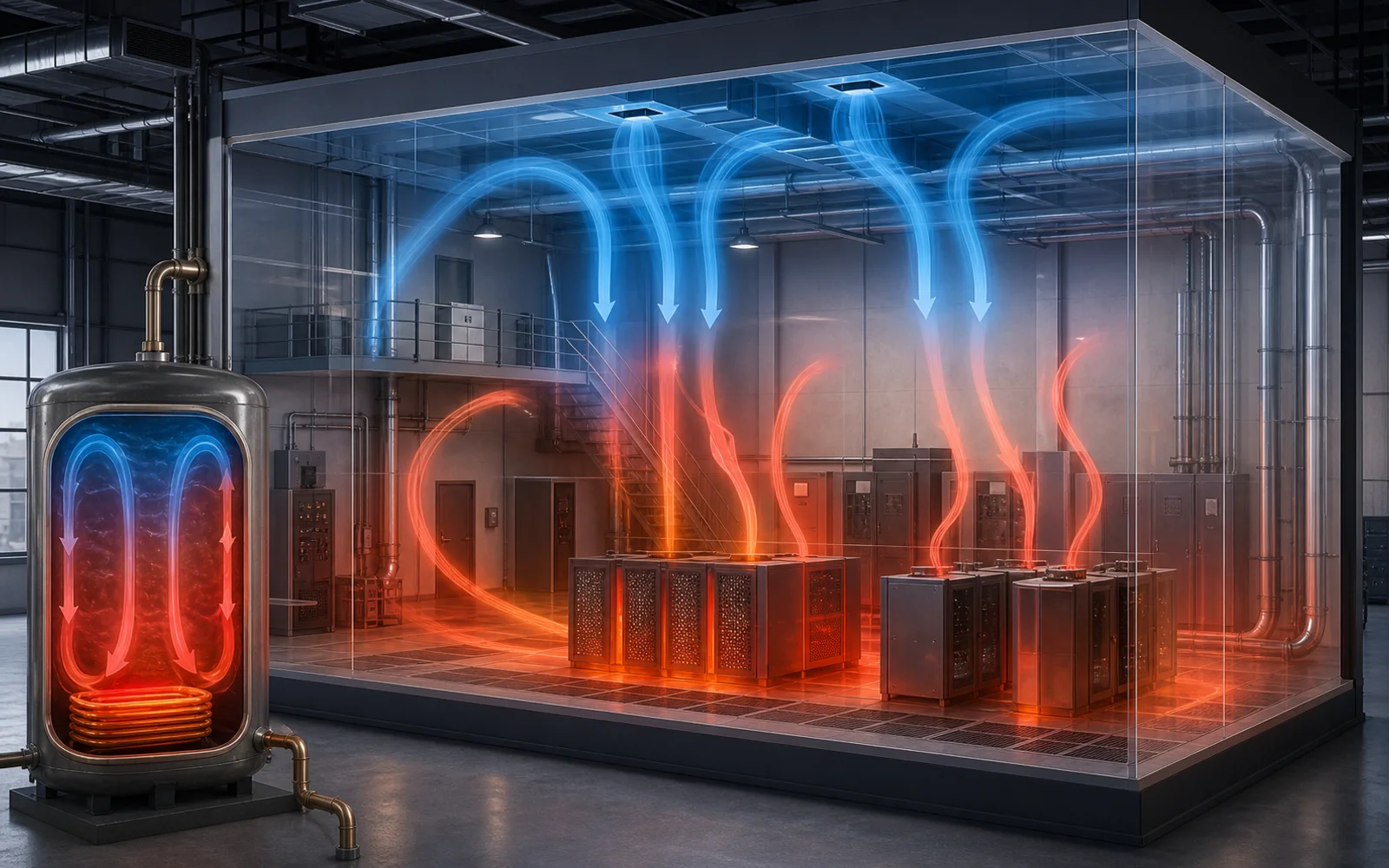
If you’re asking yourself what it is exactly that convection is doing to transfer heat, you’re not merely reading a textbook definition. This is the underlying power that runs HVAC systems in industrial buildings in London, electronic cooling systems in Dubai, or high-tech cooling systems in Frankfurt, as well as in Austin!
Let’s take a look at the convection process in a non-mistakes way, without all the “fluff” around how convection actually transports thermal energy.
The Core Mechanics: How Convection Works When Molecules Get Moving
The molecules have to be understood first to understand the operation of convection in heat transfer . Convection is different from conduction, which relies on energy being carried by colliding particles of a solid material. A fluid must be used to conduct by convection, which is either a liquid or a gas.
Based on our thermal dynamic analysis , the chain reaction process is as follows:
- Energy Absorption: In the case of a fluid, this means that it meets a hot surface.
- Thermal Expansion: When the fluid gains thermal energy, the molecules in the fluid gain speed and move apart.
- Density Drop: When this section of fluid is hotter, it will be less dense than the cooler fluid over it (or cooler fluid below it).
- The Buoyant Lift: The lighter, warm fluid rises, while the denser, colder fluid sinks to take its place.
This continuous cycle is what we call natural convection currents . We’ve reviewed case studies from our structural and mechanical teams handling projects across the UK and USA; if you don’t account for this specific fluid motion , your entire thermal management plan fails. The temperature difference acts as the engine, driving the continuous thermal energy transfer until the system reaches equilibrium.
Gravity vs. Fans: Natural Convection vs Forced Convection Explained
In our discussions with senior thermal engineers, we often hear them debating the efficiency of natural convection vs forced convection . The difference comes down to whether you are letting nature do the work or forcing the issue with mechanical hardware.
Natural Convection: Driving on Buoyancy
Fluid flow occurs only because of variations in density due to a rise or fall in temperature in a natural system. Imagine a typical radiator in a New York apartment. The air above the heater heats up, becomes less dense, and rises towards the ceiling, pulling cold air across the floor. It is reliable, noiseless, and at no cost to operate, but slow.
Forced Convection Systems: Pushing the Limits
Forced convection systems are used when natural convection is not adequate in preventing an air conditioning system from overheating. An external force, such as a pump, fan, or suction apparatus, is used to increase the velocity of the fluid.
Feature
Natural Convection
Forced Convection
Driving Force
Buoyancy (Density Differences)
External Mechanical Force (Fans/Pumps)
Fluid Velocity
Low
High
Heat Transfer Rate
Slower, less predictable
Rapid, highly controllable
Common Use Case
Room air circulation, passive cooling
Data centers, automotive cooling, aerospace
Our teams deploying mechanical solutions in the extreme heat of Dubai rely almost exclusively on forced systems because the ambient temperature difference isn’t wide enough to move heat fast enough naturally.
Real-World Impact: Concrete Convection Heat Transfer Examples
To truly see how heat transfer by convection impacts your daily operations, we have to look past the equations. Here are five distinct examples of convection heat transfer across domestic and heavy industrial sectors:
- Atmospheric Circulation: The heat of the air at the equator is greater than that at the poles, creating huge air circulation patterns throughout the world.
- Industrial Boiling Systems: In Manchester, commercial boilers are used across various manufacturing units, where water is heated at the bottom and rises as steam, and cooler water is allowed to fall down into the processor.
- Electronics Cooling: Today’s microprocessors emit a considerable amount of heat. In the absence of the micro fans, blowing air over dedicated heat sinks, the convection heat transfer would be too slow, and the chips would heat up too rapidly, creating immediate thermal throttling.
- Home Heating and HVAC: Centralized heating systems use ducts to distribute conditioned air around a building in order to provide a homogeneous temperature.
- Ocean Currents: Deep ocean water moves thermal energy from the tropics toward northern Europe, balancing global marine temperatures .
Why Fluxiss Designs for Precise Thermal Convection
When designing complex infrastructure or industrial components, guessing how fluids behave isn’t an option. At Fluxiss , we treat thermal convection as a precise engineering tool. Whether we are optimizing a building’s airflow in Chicago or refining a chemical processing plant in Abu Dhabi, controlling the path of fluid movement allows us to slash energy costs and maximize hardware lifespans.
By utilizing advanced Computational Fluid Dynamics (CFD) , we map out exactly how convection works inside a closed system before a single piece of hardware is ever installed. This predictive modeling eliminates thermal dead zones and ensures your systems remain compliant with strict international energy standards.
Master Your Thermal Management Strategy
Creating designs that utilize and manage heat with efficiency demands a good understanding of the dynamics of fluids, as well as their thermal behaviors. Don’t take any chances with your thermal efficiency! Reach out to an international engineering consultation team at Fluxiss and benefit from an optimal project scenario for a mechanical, structural, or HVAC project today.
Frequently Asked Questions
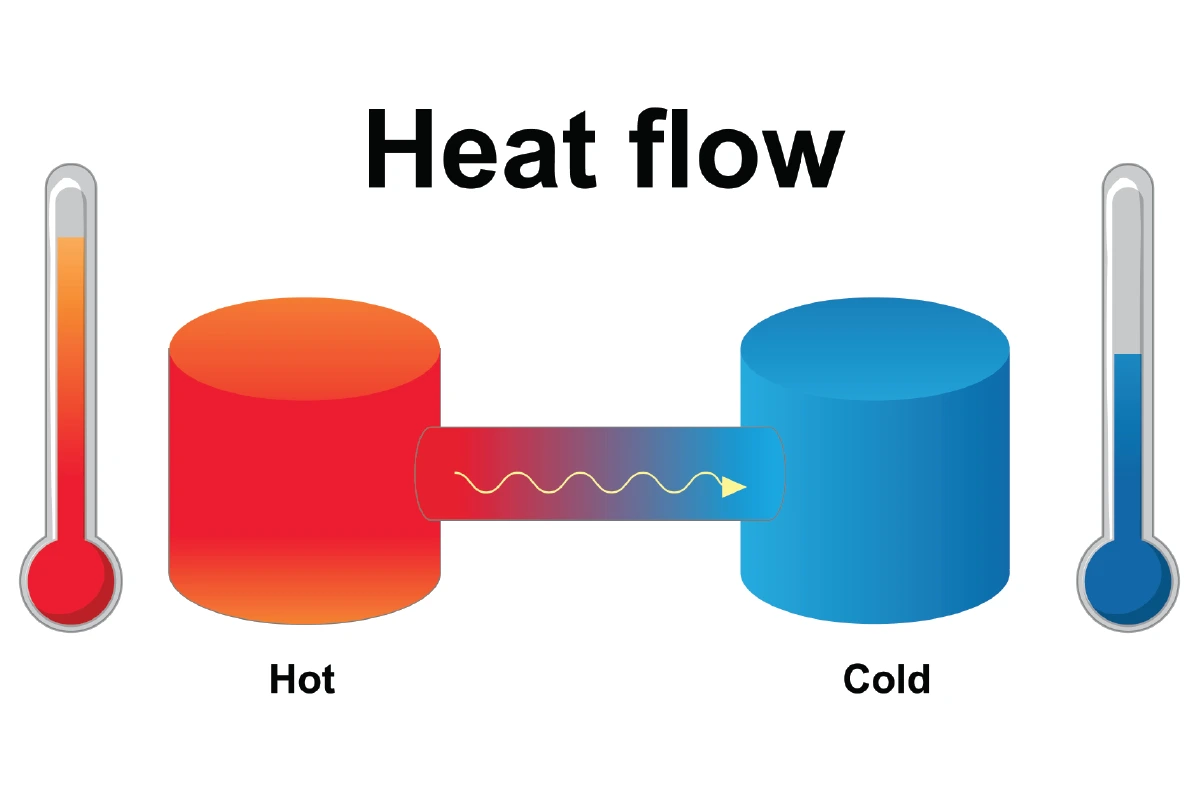
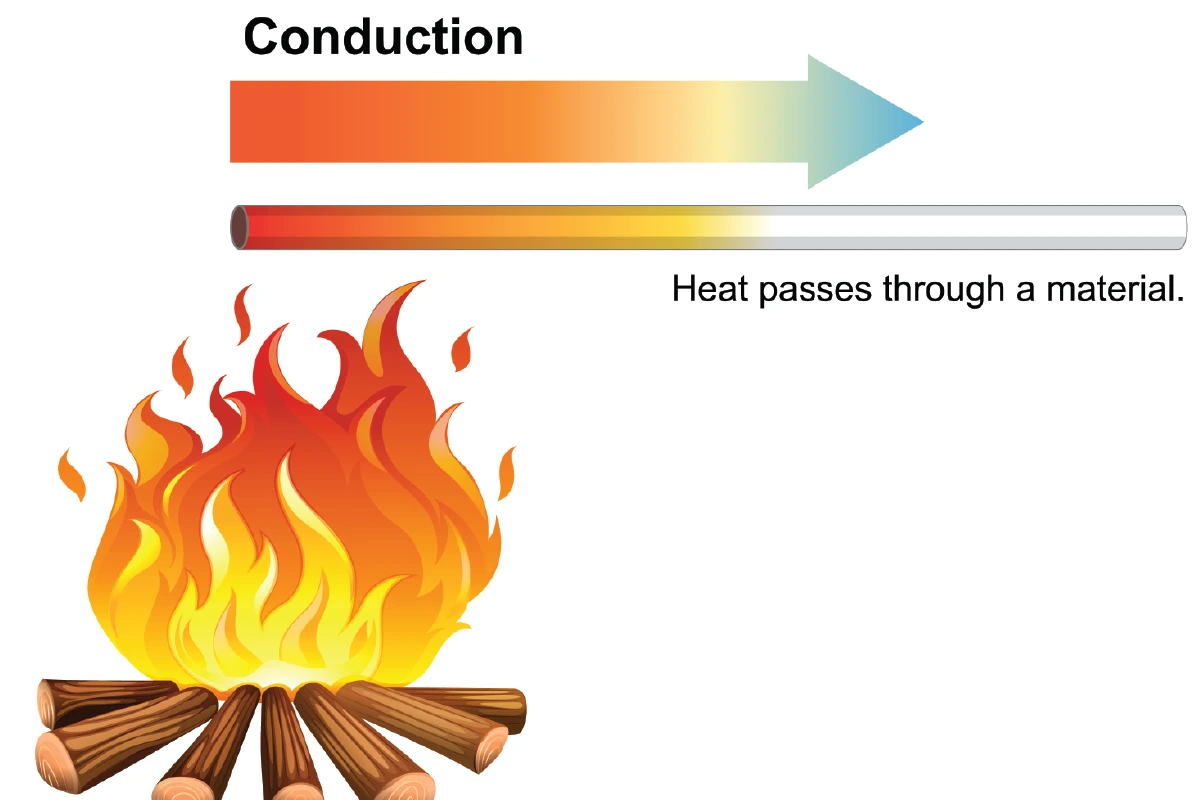
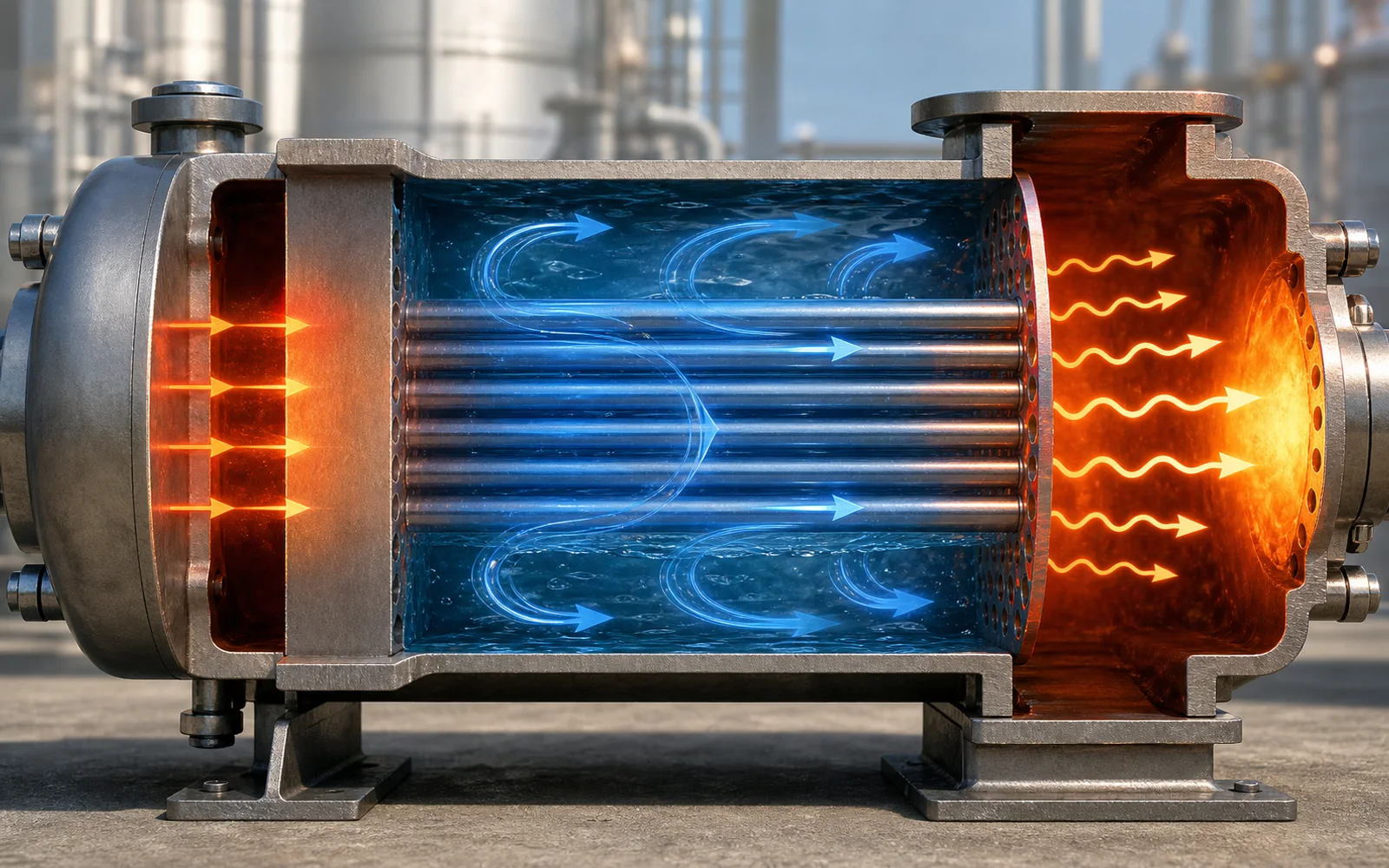
Thermal transfer through conduction occurs when thermal energy is passed on directly from one solid to another solid without the transfer of matter. However, when thermal energy is being removed from one reservoir to the other by physical movement, such as a flow of fluid (water or gas) into and out of the two places in the system, this is considered to be convection.
Practical engineering explainers connecting analysis methods, design inputs and project decisions.
Let's Build Something Great Together.
Partner with Fluxiss for engineering that holds up - under pressure, under load, under scrutiny.