Ship Structural Design: How to Prevent Fatigue Cracks
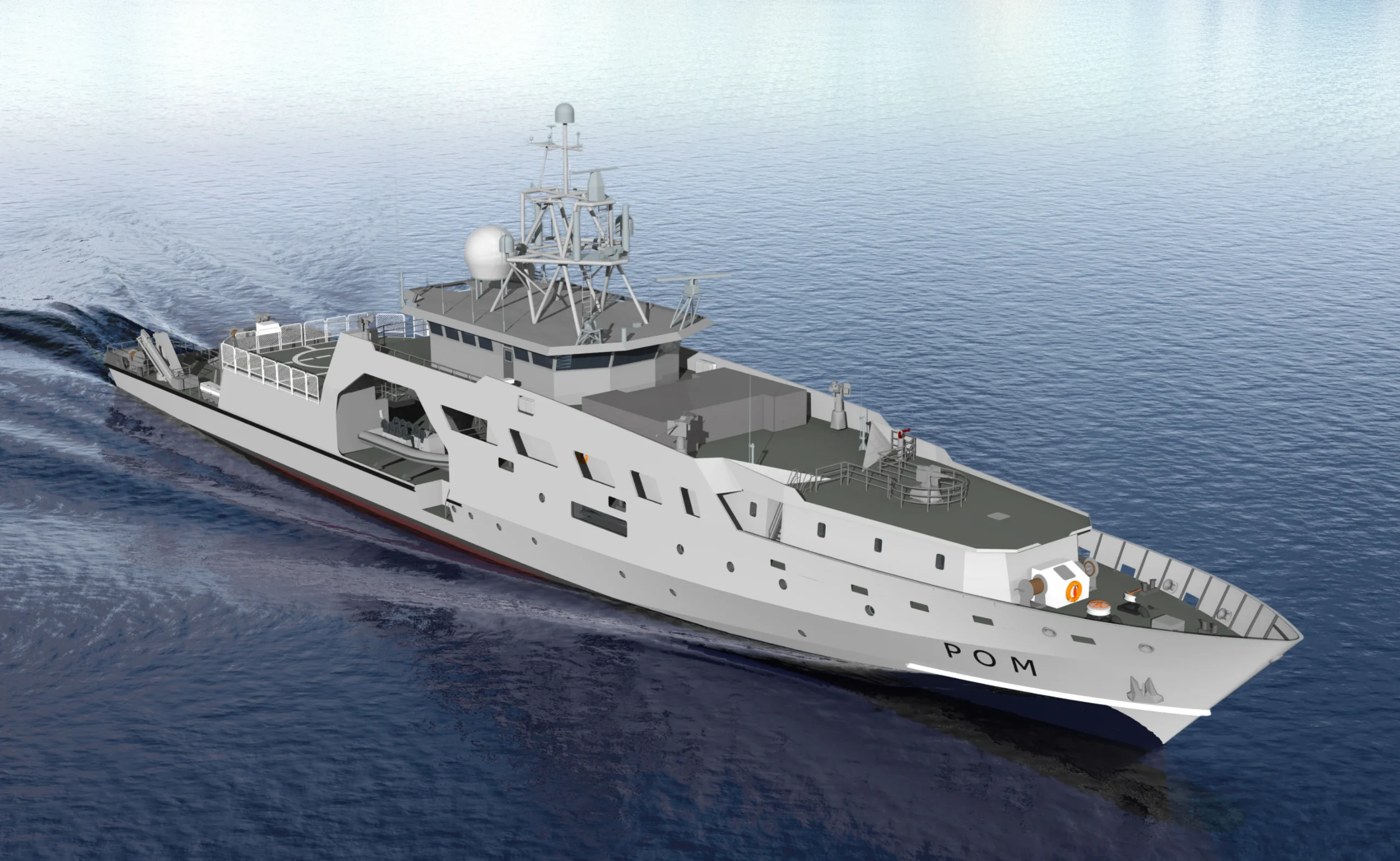
Ship Structural Design: How to Prevent Fatigue Cracks is a practical engineering question, not a software button. This guide explains how Fluxiss approaches stability, hull strength, modifications and marine operating conditions and how to turn the answer into a reviewable project decision. The examples describe a method; they do not replace the project code, drawings, supplier data or competent engineering judgement.
Start with a defined engineering question
Begin by stating what must be accepted, changed or investigated. Collect the design basis, operating envelope, applicable standards, drawings, materials, inspection history and the people responsible for the interfaces. A model built before these inputs are agreed can produce precise results for the wrong problem.
A practical Fluxiss workflow
1. Establish current geometry, lightship and loading conditions.
2. Model hydrostatics, free surfaces and environmental actions.
3. Check global strength, local details and fatigue where required.
4. Review modifications, equipment foundations and class criteria.
5. Translate results into an approved operating or construction basis.
At each stage, record the assumption, its source and the consequence if it changes. Review equilibrium, dimensions, units, load paths and interfaces before interpreting a utilisation, pressure, stress, stability or capacity result. Where the decision is sensitive, compare reasonable input bounds instead of hiding the uncertainty in a single factor.
What the deliverable should show
- Design basis, applicable code and document revisions.
- Inputs, load cases, material or equipment data and model assumptions.
- Verification checks, governing results and acceptance criteria.
- Limitations, unresolved inputs and actions required before release.
Avoid a false sense of certainty
Flag, class, IMO and owner requirements vary by vessel and operation and must be identified. A result should state whether it applies to the current design, an assessed operating envelope, a proposed modification or a future condition. If evidence is incomplete, identify the inspection, test, survey or supplier confirmation needed to close the gap.
Fluxiss can support this naval architecture & marine scope from concept through review and issue. Share the current drawings, operating conditions, governing standard and decision deadline to define the right level of analysis.
Frequently Asked Questions
Start with current drawings, design or operating conditions, materials or equipment data, applicable standards, existing inspection or test evidence and the decision the analysis must support.
Technical references & further reading
Practical engineering explainers connecting analysis methods, design inputs and project decisions.
Related articles.
Let's Build Something Great Together.
Partner with Fluxiss for engineering that holds up - under pressure, under load, under scrutiny.