
Due to client NDA commitments, the showcased projects represent only a portion of our work and not the full scope of what we’ve delivered.
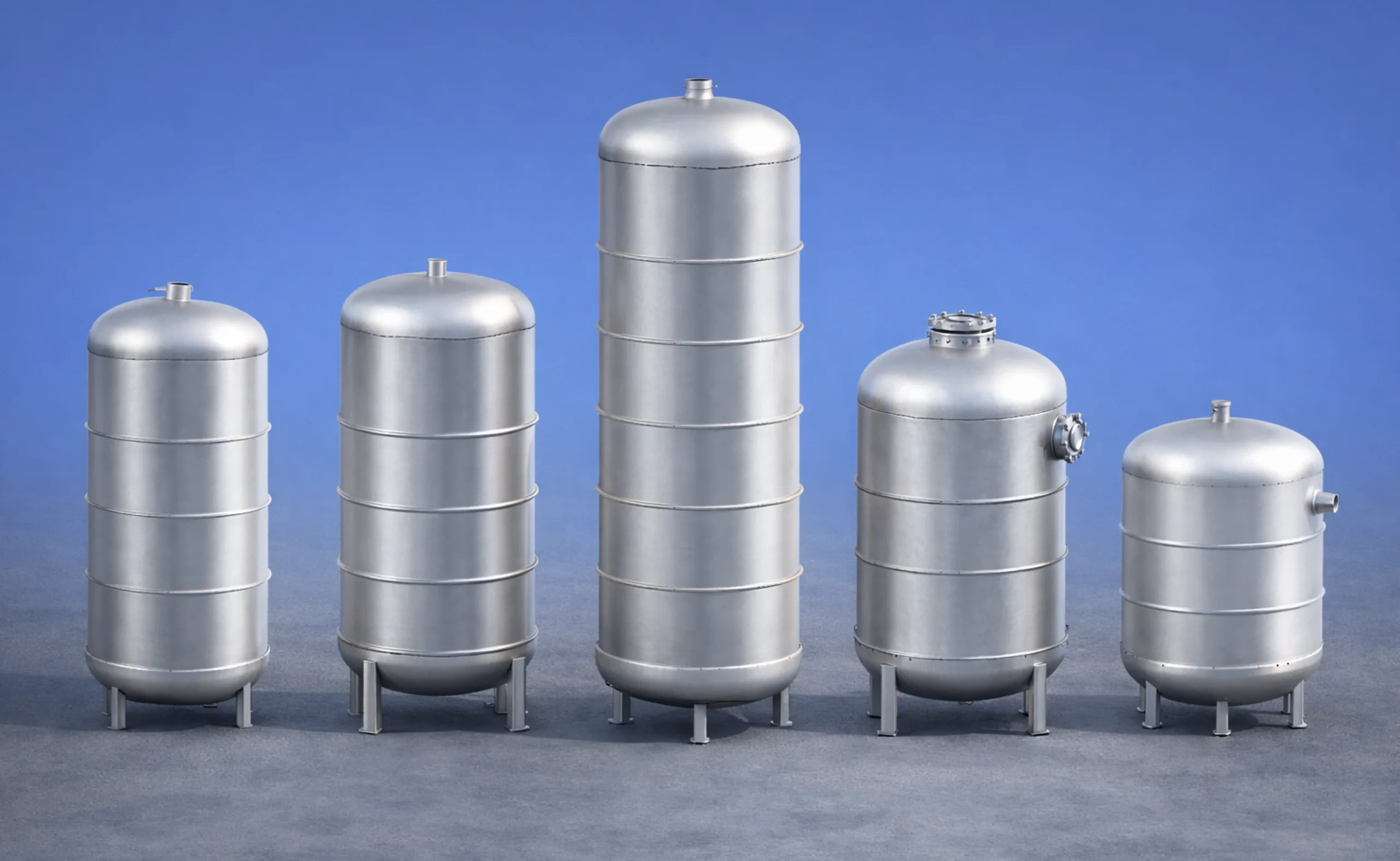
At Fluxiss, we have spent a lot of time looking at industrial blueprints, and if there is one thing we’ve learned, it’s that pressure vessel design is never just about “making a tank.” It’s about managing forces that want to tear metal apart. Recently, we worked on a project at Fluxiss involving a Low Grade Refining Column (C561).
If you are in the chemical or oil and gas industry, you know that alcohol refining is a delicate process. You aren’t just dealing with pressure; you’re dealing with vacuum risks, thermal expansion, and structural weight. We tackled this specific mechanical design challenge using ASME Section VIII standards.
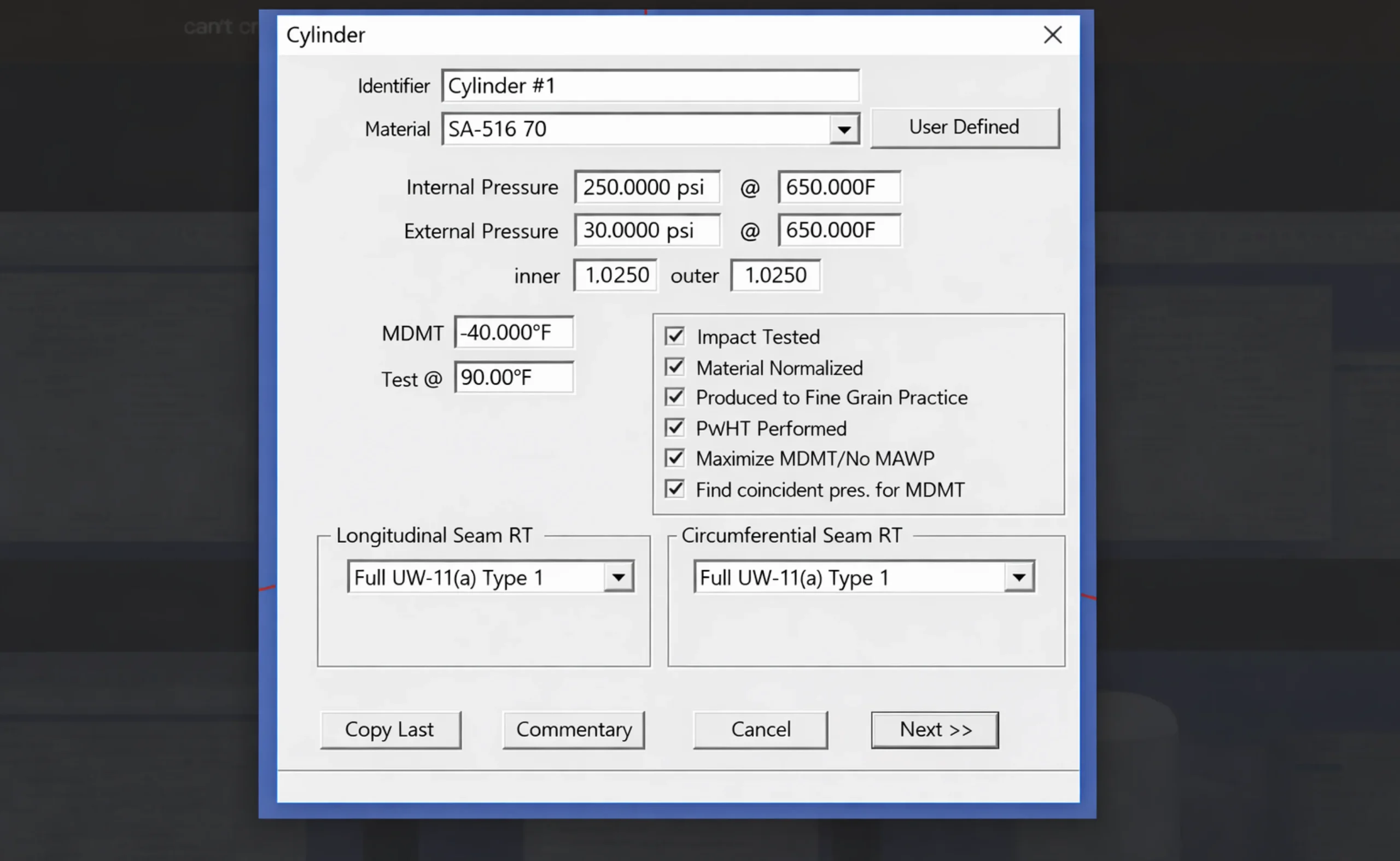
When we first started looking at the specs for the C561 column, the biggest “red flag” wasn’t the internal pressure—it was the vacuum condition. The vessel had to operate between -1 bar g (full vacuum) and 3 bar g.
Designing for a vacuum is tricky because the vessel wants to collapse inward like a soda can. To fix this without making the stainless steel walls incredibly thick (which is expensive), we had to calculate the exact placement of Internal Stiffener Rings.
Our engineers used COMPRESS software to run the simulations. One of the most critical parts of this project was the nozzle reinforcement. For a vessel this size, every opening is a weak point. After running the numbers, we determined that the required nozzle thickness was 7.03 mm (including the corrosion allowance), with a reinforcement area of 379.35 mm².
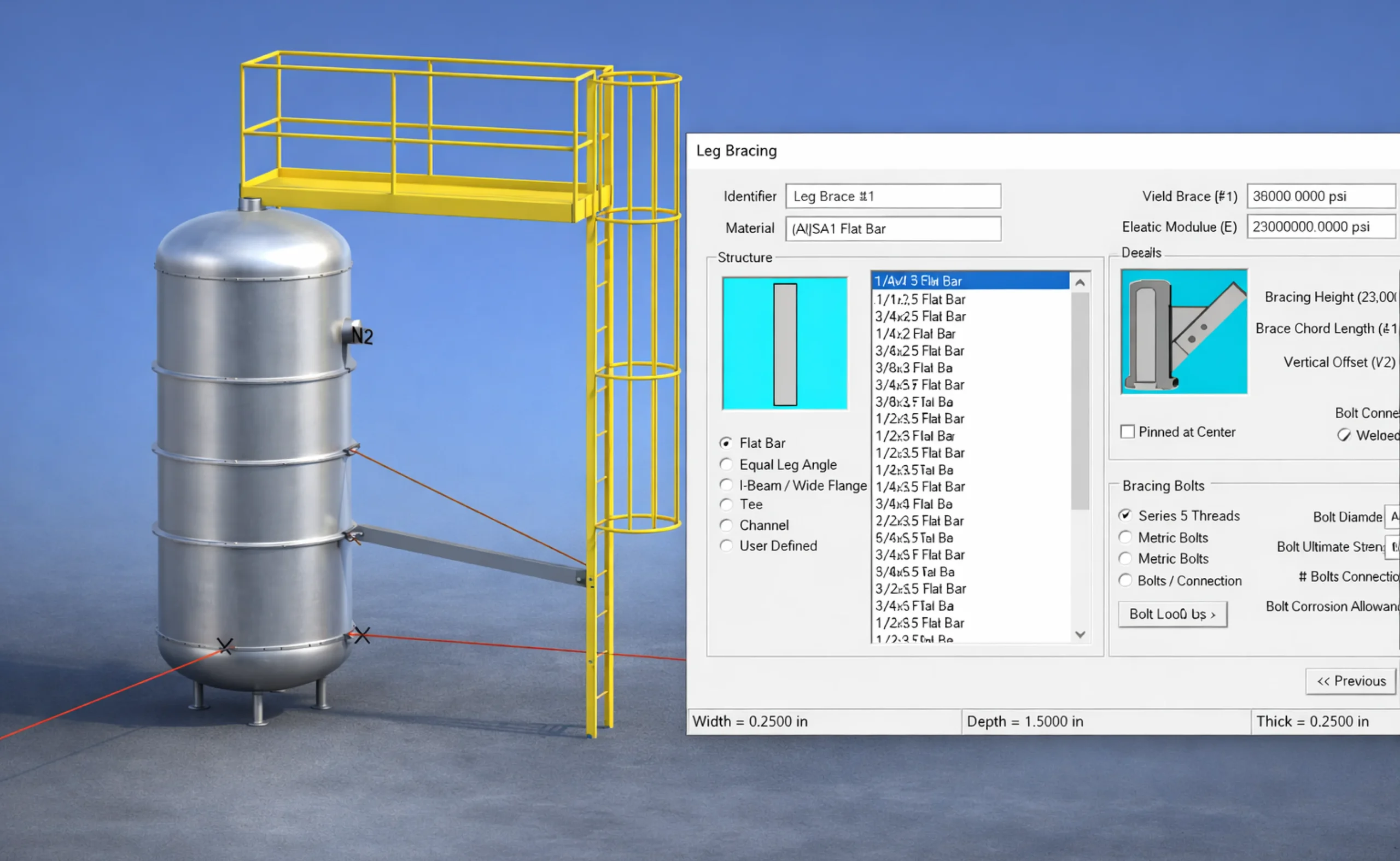
But a column doesn’t just sit in a vacuum-sealed room; it sits outside. we had to factor in:
The final output was a fully optimized mechanical data sheet ready for fabrication. By using SS 304L for the internals and Shell, we guaranteed the alcohol wouldn’t be contaminated, while the Carbon Steel skirt kept the project budget-friendly.
The vessel passed all hydrostatic testing simulations. This means the client got a design that is not only safe but also compliant with both ASME and EN 13445 codes, making it ready for use in the US or European markets.
At Fluxiss, we don’t just “run software.” We look at the physics of your project to save you money on materials while ensuring your plant stays safe. Whether it’s distillation columns or high-pressure reactors, we make sure the engineering holds up under pressure.
Ready to get your vessel designed?
[Get a Technical Consultation]

We’re proudly serving clients across the USA, UK, UAE, and Europe. From corporate giants to research labs and the shipping industry,