
We’ve spent years reading, learning, and watching how buildings react when the ground moves. And every time we study seismic retrofitting, we get reminded why older structures, especially in high-risk regions like California, Seattle, London, and Dubai, need practical upgrades, not promises.
So here, we break down seismic retrofitting the same way we explain it to clients at Fluxiss, where we help strengthen existing buildings for real earthquake performance.
This has been done by many building owners who have been assuming that the only way a building is alive today is that it will live tomorrow. However, in the USA and UK, there have been shifts in seismic codes, particularly following the adoption of revised codes such as ASCE 41, ASCE 7-22, and the current use of Eurocode 8.
These follow-ups are more geared towards seismic risk mitigation, seismic rehabilitation, and performance-based structural retrofitting. And that concludes to a single thing, the fact that older designs do not correspond to the safety expectations of the current day.
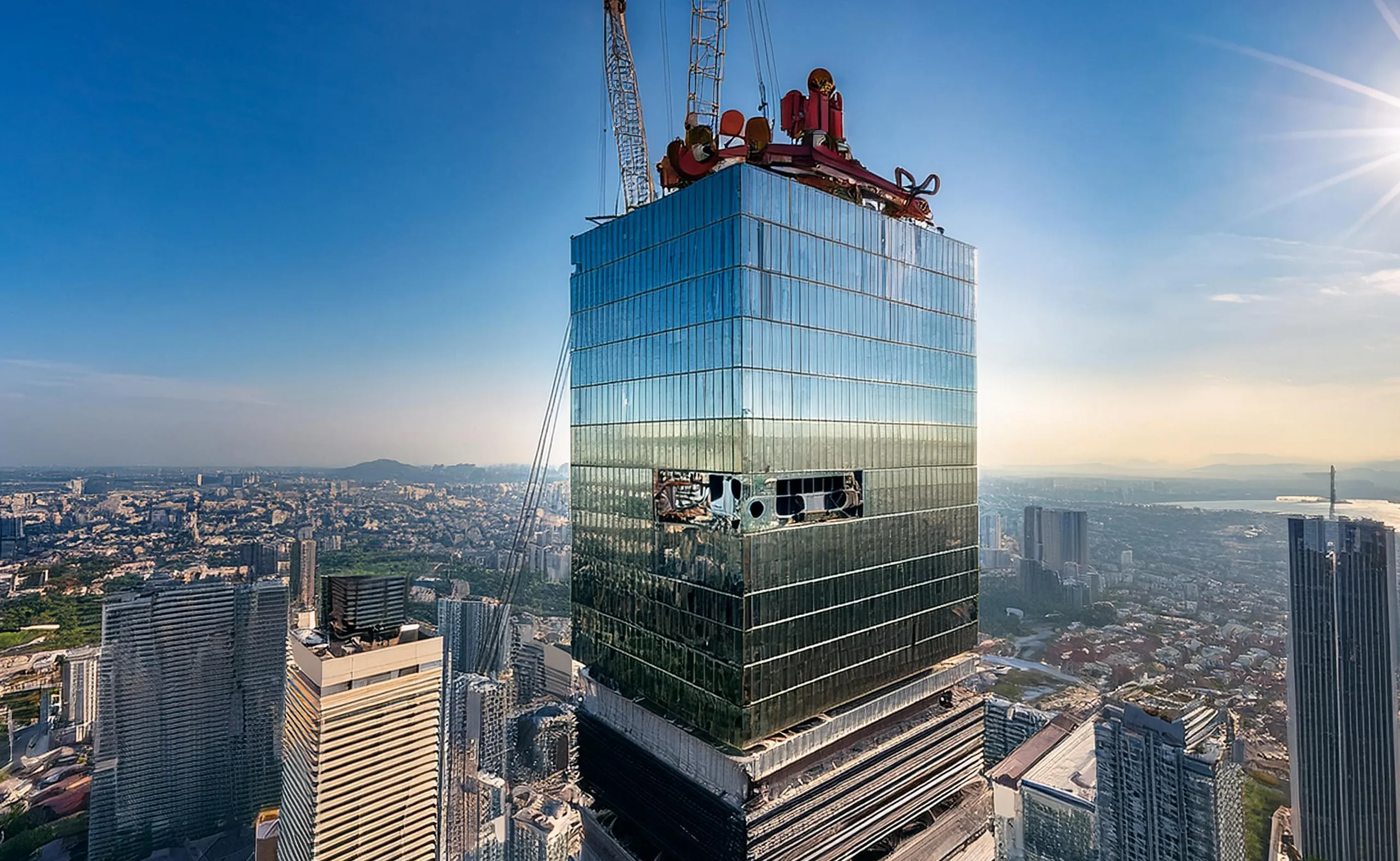
Seismic retrofitting refers to the process of planning and applying changes to enhance the way the building already in existence reacts to earthquakes.
Not complicated. Just strengthening what already exists.
At Fluxiss, the work usually falls under:
Our goal is always the same: upgrade a structure so it performs better when the shaking starts.

Every project is different, but these methods show up the most:
Structural Reinforcement Methods That Target Weak Points
We often explain this as “finding the bones that can’t hold pressure.”
Techniques include:
These improve seismic reinforcement without changing the building’s shape.

We’ve watched simple fixes dramatically change a building’s behavior.
This includes:
These upgrades boost seismic performance enhancement and structural retrofit engineering.

In Europe and the UK, many older brick, stone, or masonry buildings need earthquake safety improvements.
Common upgrades include:
It’s what we call “hidden repair work that saves lives.”

Before we tell a client what to upgrade, we run:
This phase shows us how the building will respond to different earthquake scenarios.
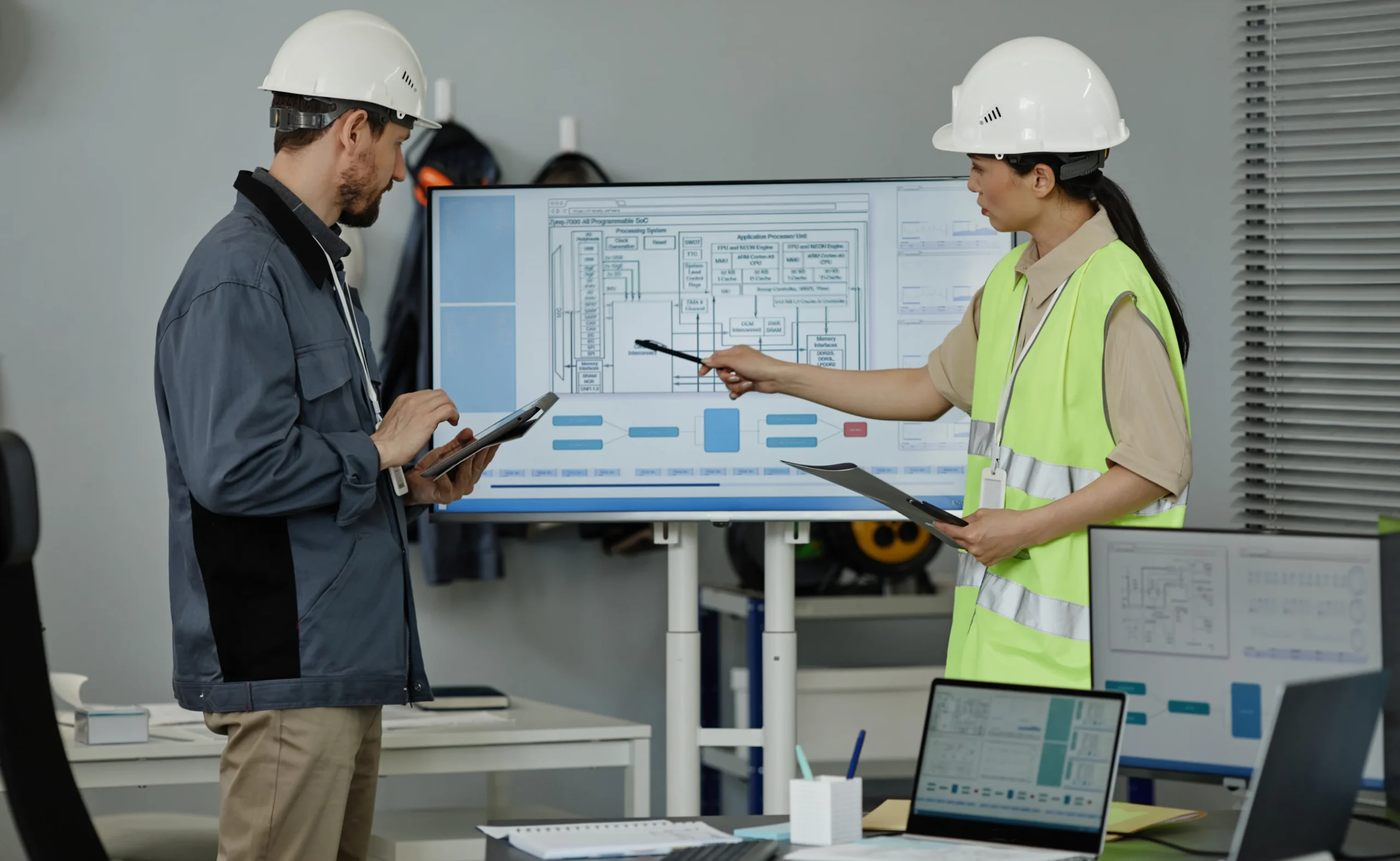
From what we’ve seen working with the team, Fluxiss focuses on three things:
This makes seismic retrofitting easier to understand—and easier to approve.

When you want your building to be sure it will survive an earthquake, whether it will be in Los Angeles, London, Dubai, or Berlin, we can guide you on your real risks and retrofit possibilities.
Contact Fluxiss — Begin Your Seismic Upgrade Today
Seismic retrofitting is conducted so that the strength of an already existing building is enhanced to improve the performance of that building during an earthquake. We do not lose the chance to explain to our clients that it is all about reducing the threat of collapses and the safety of people. These upgrades mainly assist in the old buildings that were developed in the pre-modern codes.
We begin by carrying out an in-depth retrofit structural assessment. This determines the areas of weakness and gaps in performance. On this basis we compare solutions such as bracing or jacketing, or shear walls based on cost, risk, and building type.
Not always. Most retrofit techniques are easy to install and require minimal downtime. Projects that have been temporarily closed to only a few floors or sections have been managed by us. Our retrofit plan is based on the occupants, ensuring that the interruptions are unnecessary.
Prices are subject to change based on the size of the building, age, materials, and the kinds of strengthening needed. A cost range is normally offered upon structural evaluation. The key thing is that retrofitting is never as expensive as business downtime or damage to property following a large-scale event.
We’re proudly serving clients across the USA, UK, UAE, and Europe. From corporate giants to research labs and the shipping industry,