
Between the new EPA mandates in the USA and the revolutionary SuDS standards in the UK, the world of utility infrastructure design has changed more in the last year than in the previous decade.
If your engineering firm is still just “drawing pipes,” you’re already behind. From the bustling streets of New York and London to the rapidly expanding skylines of Dubai and Riyadh, utility design in 2025 is about digital twins, climate resilience, and extreme coordination. But many things actually matter for Fluxiss, right now in the world of underground services.
When we first started looking into water supply system design for our 2025 projects, we realized that “sizing” has become a whole different beast. It isn’t just about making sure the shower works; it’s about navigating a maze of new regulations.
There’s a massive shift in how we handle fire water line design. In cities like Chicago or Houston, the 2025 updates to the International Fire Code mean we’re running more complex water pressure analysis than ever. We don’t just calculate diameter; we’re modeling surge pressures to ensure that when a fire hydrant opens, the domestic supply doesn’t collapse. Water pipeline sizing is now a balance between peak hour consumption and emergency suppression.

A project in California used pump station design integrated with AI. At Fluxiss, we’ve adopted this “Smart Water” approach. Our water storage tank design doesn’t just hold water; it uses sensors to monitor turnover rates, ensuring the water stays fresh and meets the strict 2025 PFAS safety standards.

If you’ve been following the news in the UK, you know that the 2025 SuDS National Standards have basically killed the old-school “just pipe it away” mentality.
Whether it’s a gravity sewer design in London or a pumped sewer system in a flat coastal city like Miami, we are moving away from combined systems. Separating surface water from sewage is no longer optional—it’s a mandate. At Fluxiss, our sewer line design focuses on reducing the load on municipal water systems by catching the “first flush” on-site.
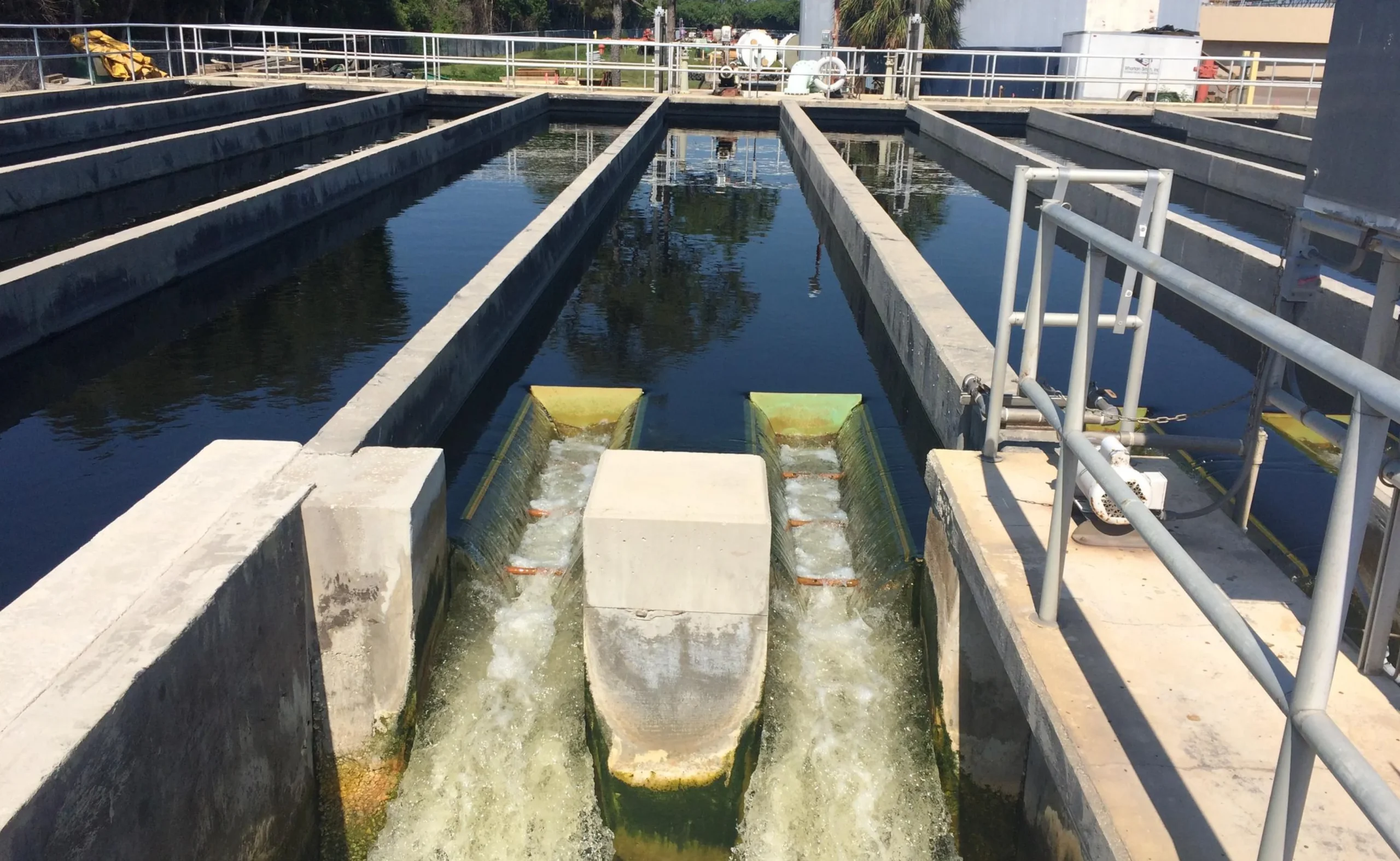
Sometimes, the city pipes just don’t reach. That’s where onsite wastewater treatment comes in. We’ve been fascinated by the new aerobic septic system design models coming out of Europe. We’re now designing systems for remote sites in the UAE that treat water so effectively it can be reused for landscaping immediately. It’s not just sewage infrastructure design; it’s water recycling.

Underground utility design is basically a high-stakes game of Tetris played in the dark.
With utility coordination services, we’re using BIM (Building Information Modeling) to resolve conflicts before a single shovel hits the dirt. Projects in Seattle and Birmingham where utility relocation design saved millions just by moving a telecom conduit design by six inches in the digital model.
Our 2025 approach at Fluxiss involves utility corridor design. Instead of random trenches, we plan electrical conduit layouts and telecom utilities in “joint-use” pathways. This infrastructure coordination makes future maintenance a breeze and keeps the street from being dug up every six months.

We don’t just provide a service; we provide a blueprint for a functioning city. Our expertise includes:

At the end of the day, utility infrastructure design is the silent heartbeat of our society. You don’t notice it until it fails, and our goal at Fluxiss is to make sure you never have to notice it. Whether you are in Austin, Dubai, or Manchester, our team is ready to bring 2025 standards to your next project.
Want to see how we can optimize your site’s utilities?
[Contact Fluxiss Engineering Today]
Resilience is king. In recent projects, utility network design must now account for extreme weather events. This means designing sewer networks that handle flash floods and water distribution systems that remain pressurized during power outages. It’s about building systems that don't just work but last.
We use Advanced Utility Coordination and 3D modeling. By creating a digital twin of the underground services, we can spot where a new water pipeline might hit an old electrical ducting line. Resolving these "clashes" digitally saves our clients thousands in construction delays and field changes.
More than ever! In areas without municipal water systems, onsite wastewater treatment is the only way to build. Modern septic system design has evolved into mini-treatment plants. Developers prefer these now because they allow for "green" credits and lower long-term impact on the local environment.
It's all about flow versus pressure. Fire protection water systems require a massive burst of water in a short time. When we do water pressure analysis, we have to ensure the pipes are large enough to feed the sprinklers without sucking the rest of the building's plumbing dry.

We’re proudly serving clients across the USA, UK, UAE, and Europe. From corporate giants to research labs and the shipping industry,