
Working in the engineering world for a while now, there’s one thing we learned: machines don’t care about your missing blueprints. Last year, we worked with a client in Houston who had a massive turbine from the 80s—no drawings, no digital files, just a hunk of metal that was failing. That’s where the magic of reverse engineering services at Fluxiss comes in.
In our research and hands-on experience, we’ve seen how CAD reverse engineering has moved from a “nice-to-have” to an absolute necessity. Whether you are in London, New York, or Dubai, the problem is the same: you have a physical part, but you need a digital brain for it.
We used to see people trying to measure complex curves with manual calipers. It was a nightmare. Now, we use point cloud to CAD workflows that capture every microscopic detail. When we perform 3D scanning to CAD, we aren’t just taking a picture; we are capturing millions of data points.
We’ve found that point cloud processing is the “secret sauce.” You get this messy “cloud” of dots, and through scan to CAD services, we clean that noise up. It’s like turning a blurry sketch into a high-definition masterpiece. At Fluxiss, we’ve seen us take a raw laser scan to CAD and turn it into a fully editable, parametric model that you can actually use in SolidWorks or AutoCAD.
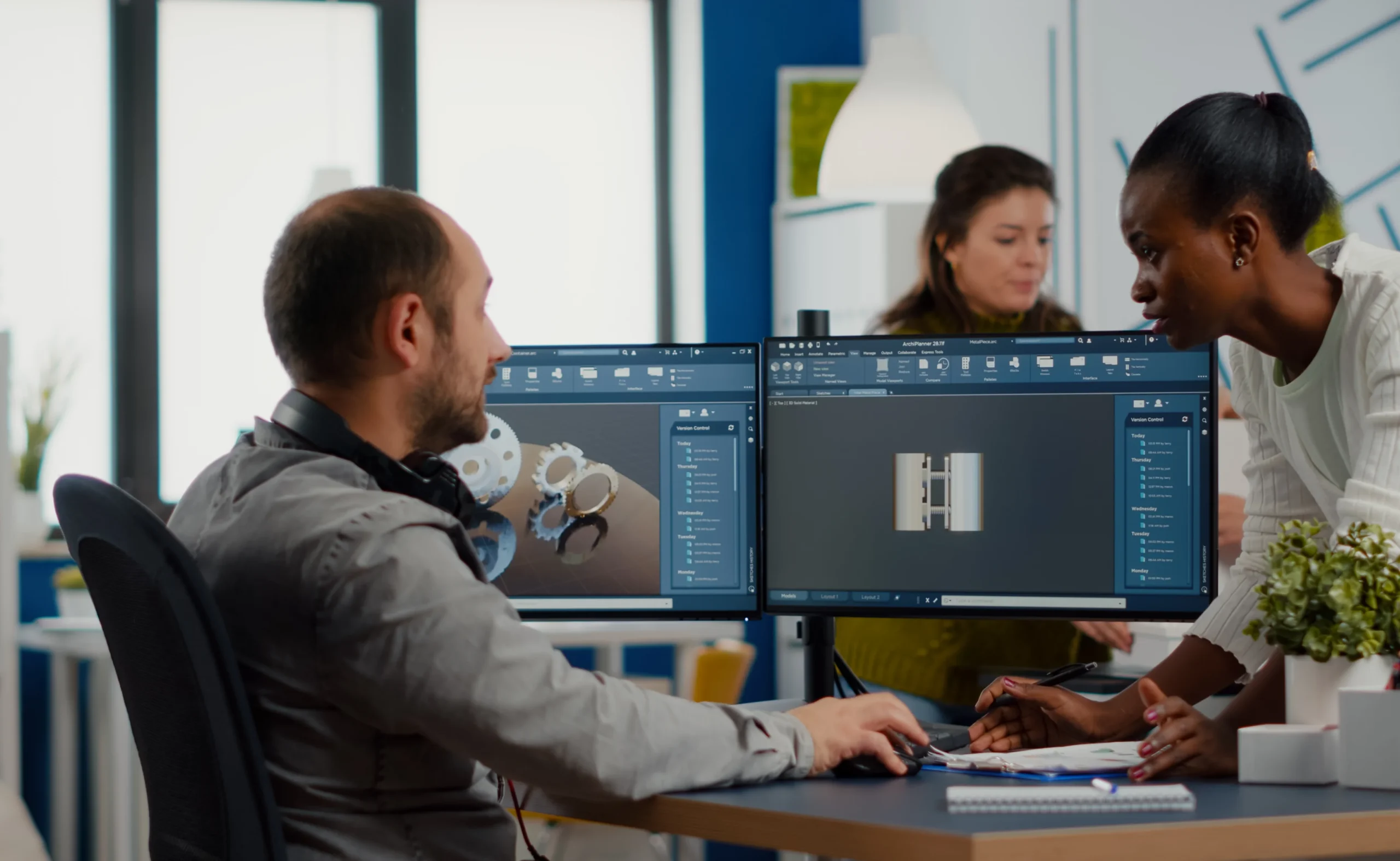
One of the coolest things we’ve studied is legacy part digitization. We get calls from Chicago to Manchester about parts that haven’t been manufactured in thirty years. This isn’t just about copying; it’s about legacy part reconstruction.
Obsolete Part Redesign: When a supplier goes bust, we help you make your own replacement part CAD.
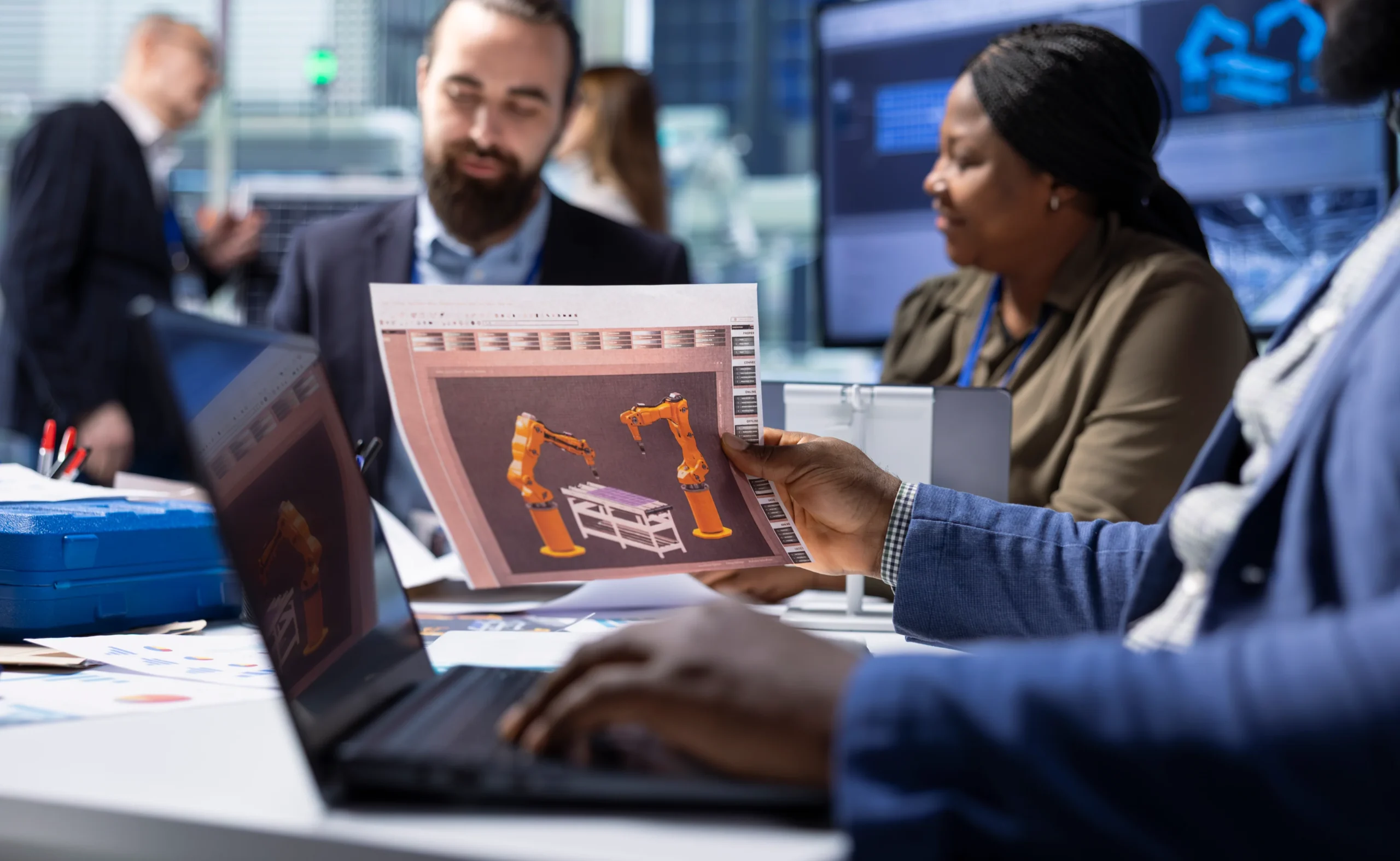
Mechanical reverse engineering is like being a digital detective. You have to look at reverse engineering assemblies and figure out how they fit together. We use high-accuracy reverse engineering to ensure that when you hit “print” or “mill,” the part actually fits.
We’ve heard from engineers in Abu Dhabi who use our digital twin creation services to keep their oil and gas equipment running. By using scan-based CAD modeling, they can simulate stresses before the part is even cast. This is reverse engineering for manufacturing at its finest.


From London’s industrial hubs to the tech corridors of California, Fluxiss handles industrial reverse engineering projects that others find “too messy.” We don’t just give you a “dumb” surface; we provide professional reverse engineering that includes CAD validation from scans.
If you’re stuck with a “black box” component or a broken machine with no manual, stop stressing. We’ve seen this work, and it’s incredible.
Get Your Legacy Parts Digitized Now
For high-accuracy reverse engineering, we use metrology-grade scanners. We can achieve accuracies down to 0.025mm. By combining laser scan modeling with manual validation, we ensure your mechanical reverse engineering project meets the strictest aerospace or medical standards.
Yes! This is what we call mesh to solid modeling. We don't just "wrap" the mesh; we use it as a template to rebuild the geometry. This gives you a parametric model recreation with a history tree, so you can change hole sizes or lengths later.
Great question. As-built CAD models capture the part exactly as it is—warts, dents, and all. Reverse design engineering for "Design Intent" means we research how the part should have looked before it was worn down, giving you a perfect replacement part CAD.
Absolutely. While Fluxiss is US-based, our component digitization and CAD reconstruction services are global. We’ve handled industrial reverse engineering for clients in Berlin, Dubai, and Birmingham, delivering digital files via secure cloud portals.

We’re proudly serving clients across the USA, UK, UAE, and Europe. From corporate giants to research labs and the shipping industry,