
At Fluxiss, working from the last few months, diving deep into how the world’s safest cars are actually built, what we found blew our mind: the “perfect” car doesn’t start on a test track; it starts on a computer screen. At Fluxiss, we aren’t just running numbers; we’re living through the digital birth of next-gen vehicles. From the bustling engineering hubs of Stuttgart, Germany to the tech corridors of the USA and UK, our automotive engineering services are changing the game.
When we first started working in automotive design engineering, we thought it was all about sleek lines and aerodynamics. We were wrong. It’s actually about survival. At Fluxiss, we’ve realized that production vehicle engineering is a high-stakes puzzle. We have to balance what the customer sees with what keeps them alive.
In Germany, where the “Autobahn” culture demands perfection, our vehicle engineering services focus on extreme automotive structural safety. Our team use automotive CAE services to predict exactly how a chassis will react before a single piece of metal is ever stamped. It’s like having a crystal ball for metal fatigue.

One of the most intense things is vehicle crash analysis. At Fluxiss, we don’t just “guess” if a car is safe. We use heavy-duty crash test simulation software to break things virtually.
By performing FEA automotive analysis, we ensure automotive structural integrity is baked into the DNA of every road vehicle. Whether it’s FMVSS compliance analysis for the US market or meeting the strict automotive regulatory compliance in Berlin or Munich, we leave zero room for error.
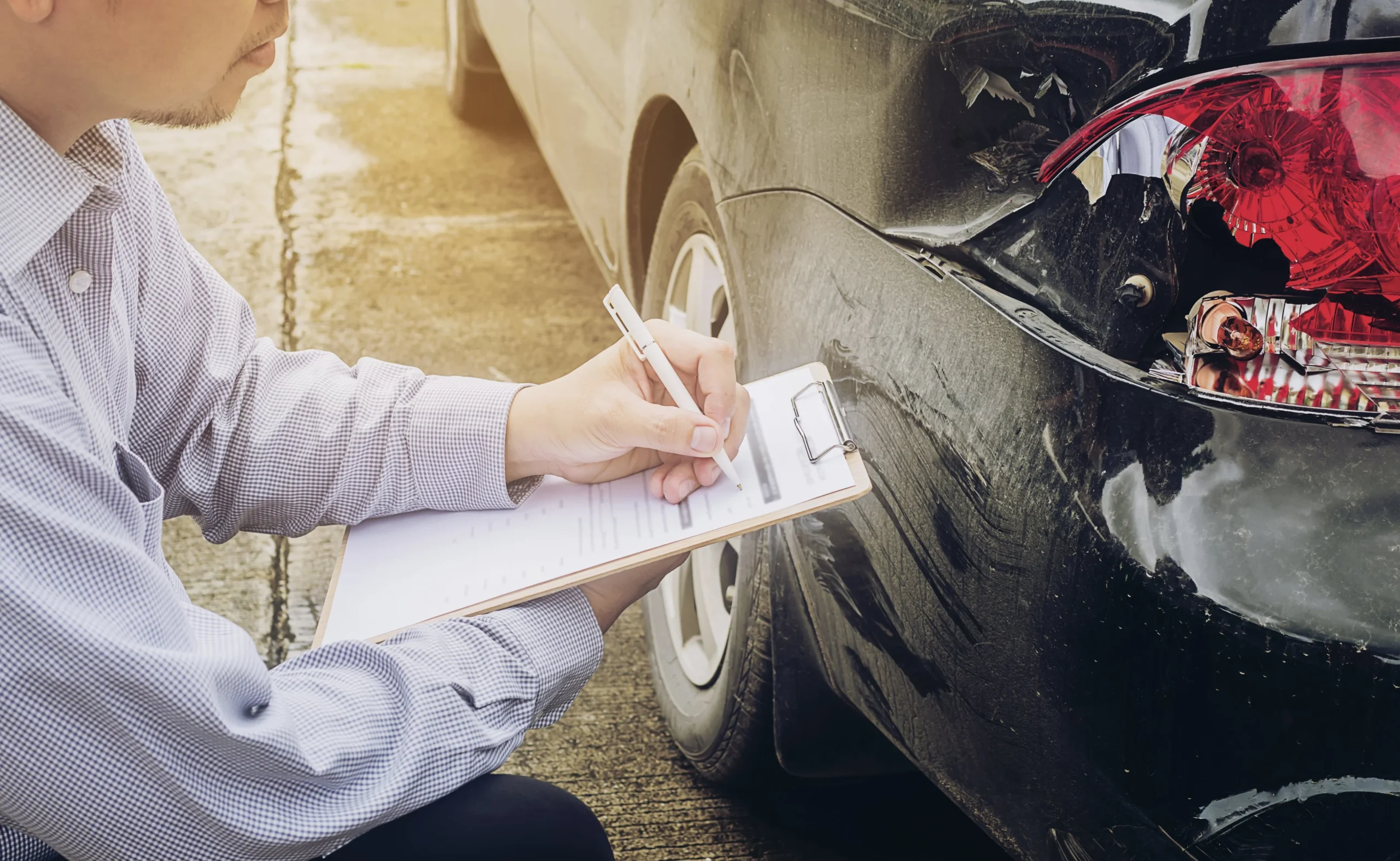
You might have wondered how an airbag knows exactly when to pop. However, it’s all about occupant safety analysis. At Fluxiss, we model the “interior kinematics,” which is a fancy way of saying we study how humans move inside a crashing car.
We spend hours on airbag deployment simulation and seat belt pretensioner analysis. We want to make sure that the millisecond a collision happens, the restraints are working in perfect harmony. It’s not just about the car surviving; it’s about the person inside walking away. This is a core part of our vehicle safety validation process.

Nothing is more frustrating than a car that starts rattling after two years. Our research into vehicle durability analysis showed that “planned obsolescence” is the enemy. At Fluxiss, we use automotive fatigue analysis to predict a component’s “death date” before it’s even built.
By running an automotive test cycle simulation, we can put a virtual suspension through ten years of German winter or Arizona heat in just a few days. This durability and life prediction helps us catch automotive component failure analysis early. It’s about vehicle performance optimization that actually lasts.

Have you ever noticed how some cars feel “cheap” because they’re noisy? That’s where automotive NVH analysis (Noise, Vibration, and Harshness) comes in. Our team focuses heavily on vehicle noise vibration analysis to make sure your ride is whisper-quiet.
We also dive into:
Rollover analysis FMVSS 216 and roof crush analysis to ensure the cabin stays intact if things go upside down.

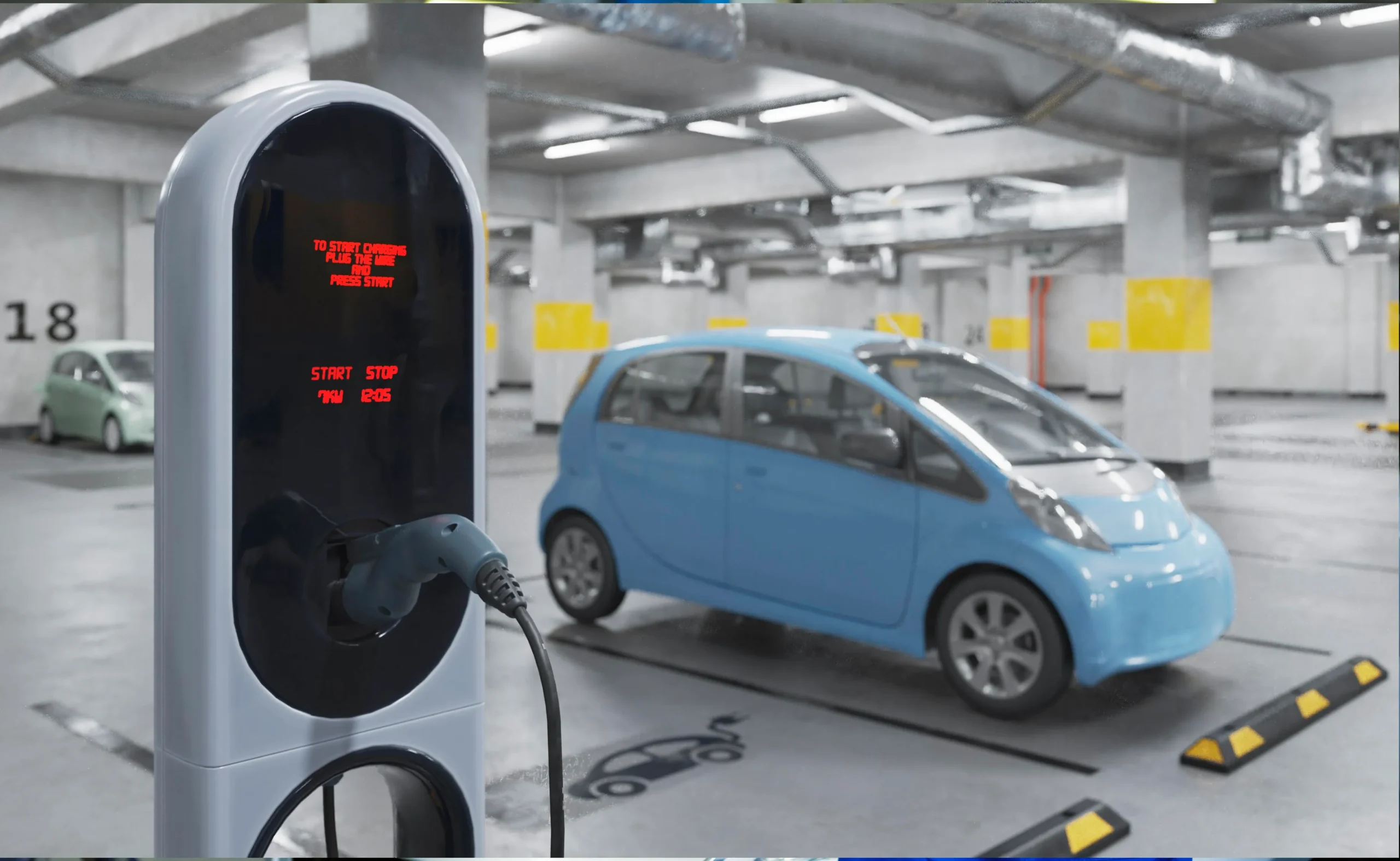
With the world moving to Electric Vehicles, EV thermal management has become the latest obsession. Battery packs are sensitive. If they get too hot, they fail; too cold, and you lose range. We use battery thermal analysis and engine cooling simulation to keep the “heart” of the car beating at the right temperature. This even extends to cabin climate simulation, ensuring you’re comfortable while the car stays efficient.
If you are looking for a partner who treats your vehicle’s safety like their own, Fluxiss is here. From Detroit to Frankfurt, we provide the automotive engineering consulting you need to pass every test and win every customer.
These services cover everything from the initial automotive design engineering to the final vehicle validation engineering. Essentially, we take a concept and make it "production-ready" by ensuring it’s safe, durable, and compliant with laws like the FMVSS in the USA or ECE standards in Germany.
Yes, under ASME B31.3 and local building codes like ASCE 7. Even in low-risk areas, insurers often require seismic & wind piping stress service to cover your assets. Peace of mind that an tremor won't level your plant.
Think of it as a stress test for the soul of the car. We use automotive fatigue life assessment to see how parts wear out over time. By doing vehicle fatigue testing simulation, we can fix weak points in the design phase, which prevents massive recalls and improves road vehicle performance analysis scores.
Absolutely. We specialize in automotive compliance engineering for the USA (FMVSS), UK, and Europe (UNECE). Whether it's roof crush analysis or pedestrian safety, we ensure your vehicle meets the specific automotive compliance testing requirements of your target market, including cities like Hamburg or London.
We’re proudly serving clients across the USA, UK, UAE, and Europe. From corporate giants to research labs and the shipping industry,