
A 3D model was just a fancy digital picture, but a model is only as good as the conflicts you find before the steel hits the site. If you’ve ever stood on a construction site in Houston or London watching a welder try to figure out how to bypass a structural beam that “wasn’t there in the drawings,” you know exactly the nightmare we are talking about.
At Fluxiss, we don’t just “draw pipes.” We hunt for trouble. Our 3D piping layout and isometrics service includes a deep-dive sub-service: Clash Detection. It’s the art of identifying and resolving conflicts between piping and other structural or equipment elements before they become expensive field mistakes.
Let’s get real. A single hard clash—like a high-pressure steam line trying to occupy the same physical space as a support column—can stall a project for weeks. When we talk to plant managers from New York to Dubai, their biggest fear isn’t the design cost; it’s the rework.
We use piping clash detection to find these “hard clashes” early. But it’s not just about things hitting each other. We’ve seen projects fail because of “soft clashes”—where the pipe is fine, but a technician can’t reach a valve because it’s wedged against a cable tray. At Fluxiss, our clash analysis piping workflow covers every inch of clearance.
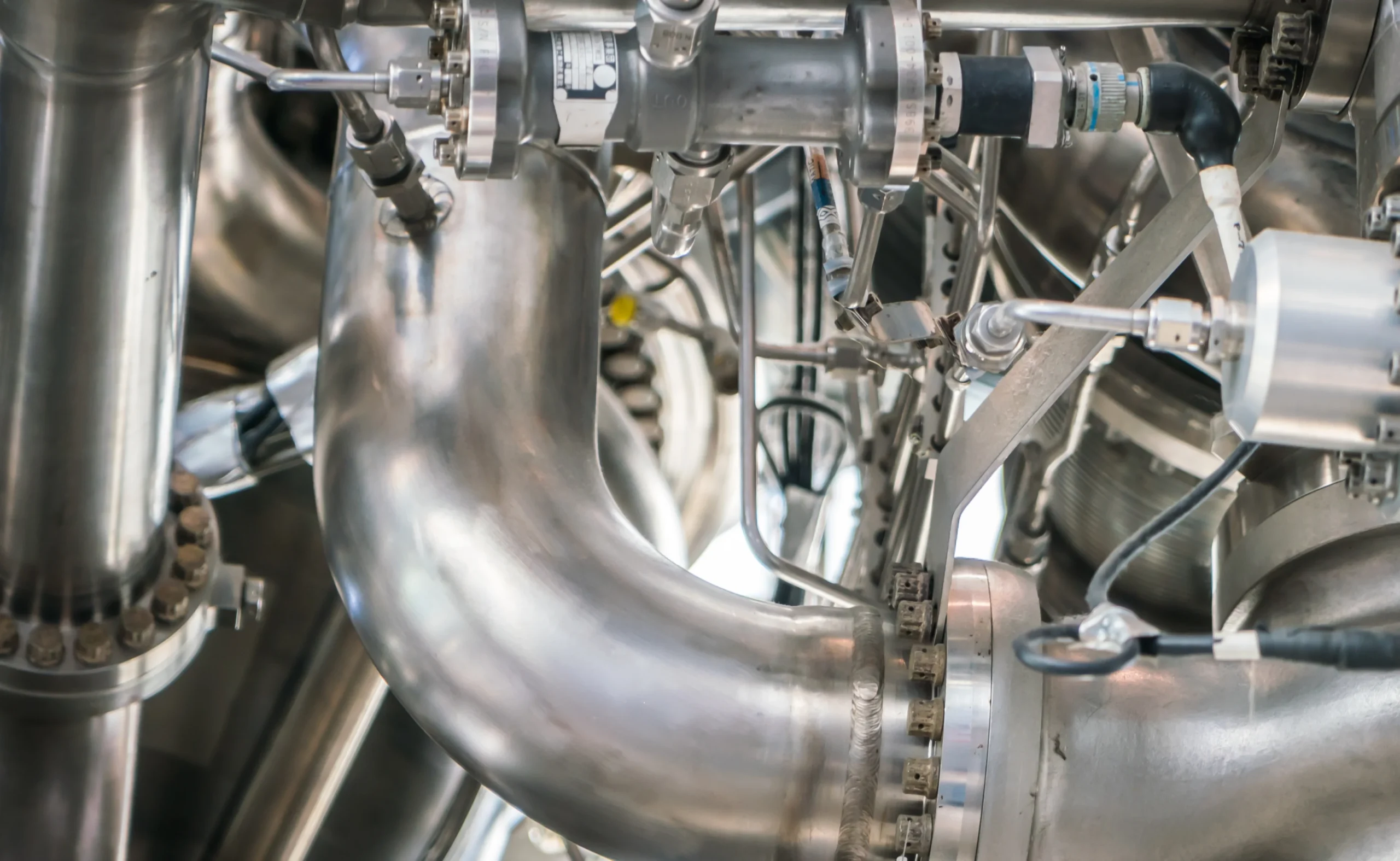
We get asked a lot about what tools we use. Honestly, the software is powerful, but it’s the person behind the screen that matters. Whether we are running clash check PDMS, clash check E3D, or using Navisworks clash detection, the goal is a clash-free plant model.
In our research and experience, the best results come from multi-discipline clash detection. This means we don’t just look at the pipes. We pull in the structural steel, the HVAC ducts, and the electrical trays. If you’re building a refinery in Abu Dhabi or a pharma plant in Manchester, you need an intelligent clash detection piping strategy that looks at the big picture.
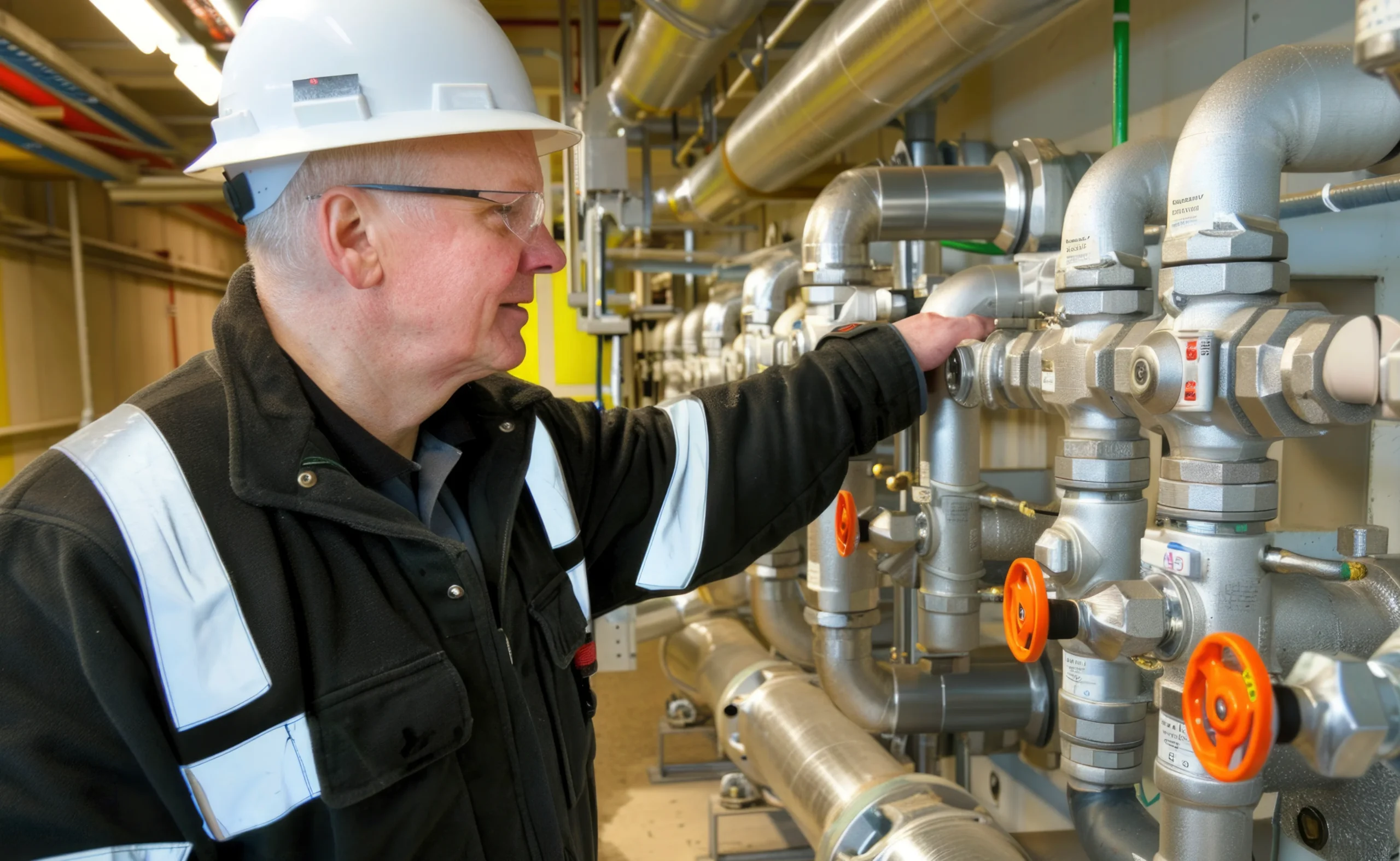
Whether we are working with a team in Chicago or coordinating a project in the UAE, we’ve studied the local mandates that keep projects on track.
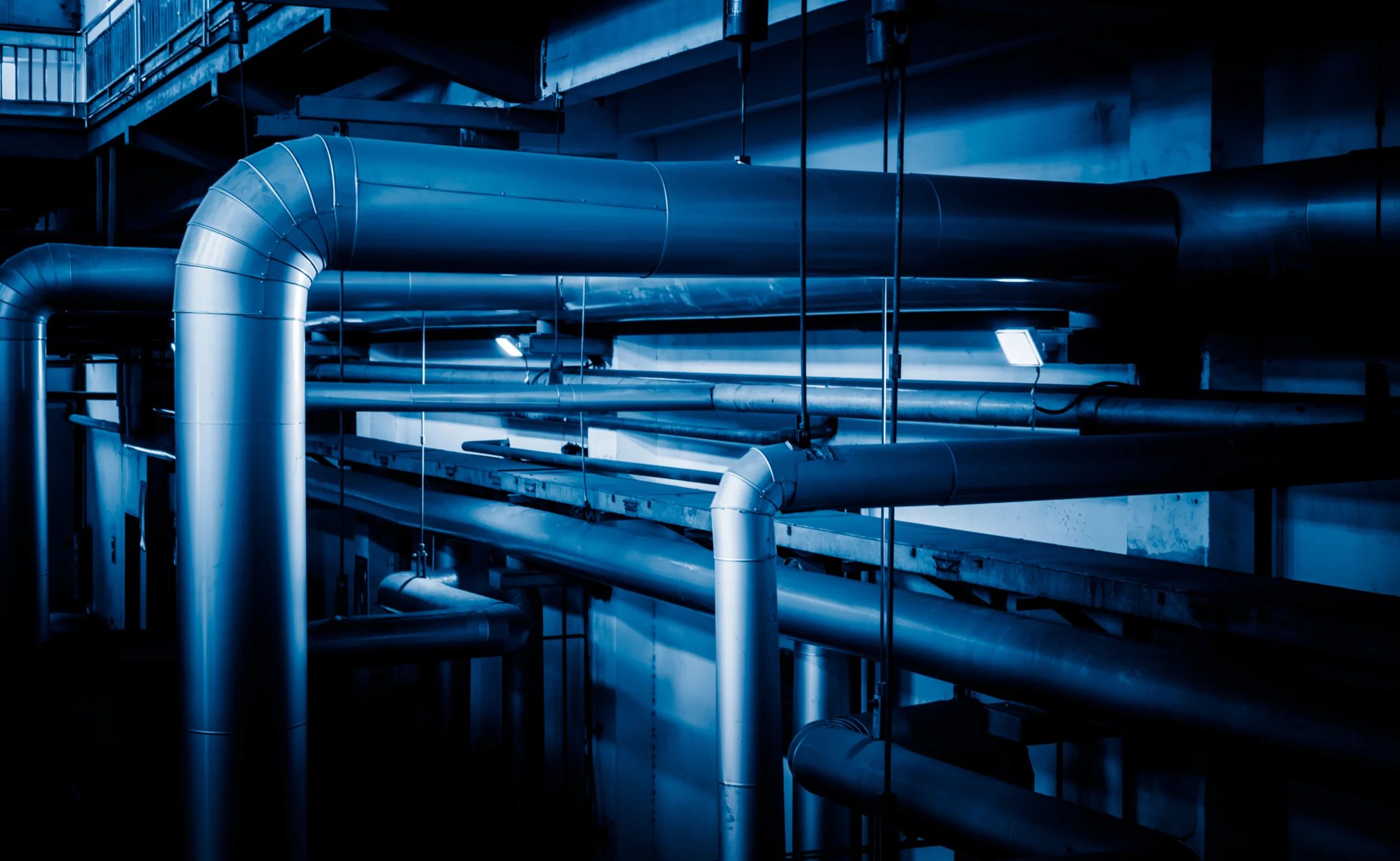
We’ve heard people say that 100% clash-free is impossible. We disagree. With a rigorous clash detection workflow and a dedicated piping clash consultant, you can get damn close. It takes a “brainstormy” approach—thinking about how a human will actually walk through that plant.
We don’t just run a clash detection plant 3d simulation and call it a day. We manage the clash resolution piping process until the model is clean. That’s the Fluxiss difference.
A hard clash happens when two components—like a pipe and a beam—occupy the same space. A soft clash occurs when a pipe violates a "buffer zone" needed for safety or maintenance. At Fluxiss, we use clash detection modeling to resolve both, ensuring your plant is functional and safe.
Navisworks clash detection is the industry gold standard because it allows us to "federate" or combine models from different software (like Revit, Plant 3D, and Tekla). This makes multi-discipline clash detection seamless, allowing us to spot piping equipment clashes before construction starts.
The cost varies based on project scale, but it’s always cheaper than field rework. By investing in a piping clash audit early, you typically save 10x that amount in avoided labor and material waste. Fluxiss provides tailored quotes for projects across the USA, UK, and UAE.
Absolutely. Clash detection for oil and gas is one of our specialties. These projects are incredibly dense, requiring clash check E3D or PDMS to manage thousands of interferences. We provide a full piping clash analysis report to ensure your refinery project stays on schedule.
We’re proudly serving clients across the USA, UK, UAE, and Europe. From corporate giants to research labs and the shipping industry,