
We’ve spent years watching machines hum, scream, and—occasionally—crash. If there is one thing we learned from studying the global manufacturing shifts in 2026, it’s that CNC programming isn’t just about making a tool move. It’s about the “digital handshake” between a perfect CAD model and a raw block of titanium.
At Fluxiss, we don’t just “write code.” We architect the entire CNC machining process. Whether you are running a shop in Houston, a high-tech facility in London, or an aerospace plant in Dubai, the struggle is the same: how do we get parts off the machine faster without breaking tools?
We’ve researched the latest CAM software workflows, and we’ve seen firsthand how a poorly designed toolpath can waste thousands of dollars. That’s how we handle CAM and Production Preparation at Fluxiss.
Most people think 2-axis or 3-axis CNC milling programming is “easy.” It’s not. It is the foundation of high-volume production. We’ve seen 3-axis parts that take twice as long as they should because the CNC roughing strategies were outdated.
At Fluxiss, we focus on machining cycle optimization. We use CNC pocket milling and CNC contour machining techniques that maintain constant tool load. It’s like driving a car—you don’t want to slam the brakes and floor the gas constantly. You want a smooth, high-speed flow.
CNC Drilling Programming: Using canned cycles to reduce code bulk and speed up the CPU processing of older machines.

Multi-axis is where the magic (and the headaches) happen. We’ve talked to engineers from New York to Berlin who are terrified of multi-axis CNC programming because of collision risks.
We specialize in advanced CNC toolpaths for 4 and 5-axis machines. By
using simultaneous multi-axis machining strategies, we can reach angles that 3-axis machines can only dream of. This is vital for aerospace CNC programming where turbine blades and impellers have complex geometries.
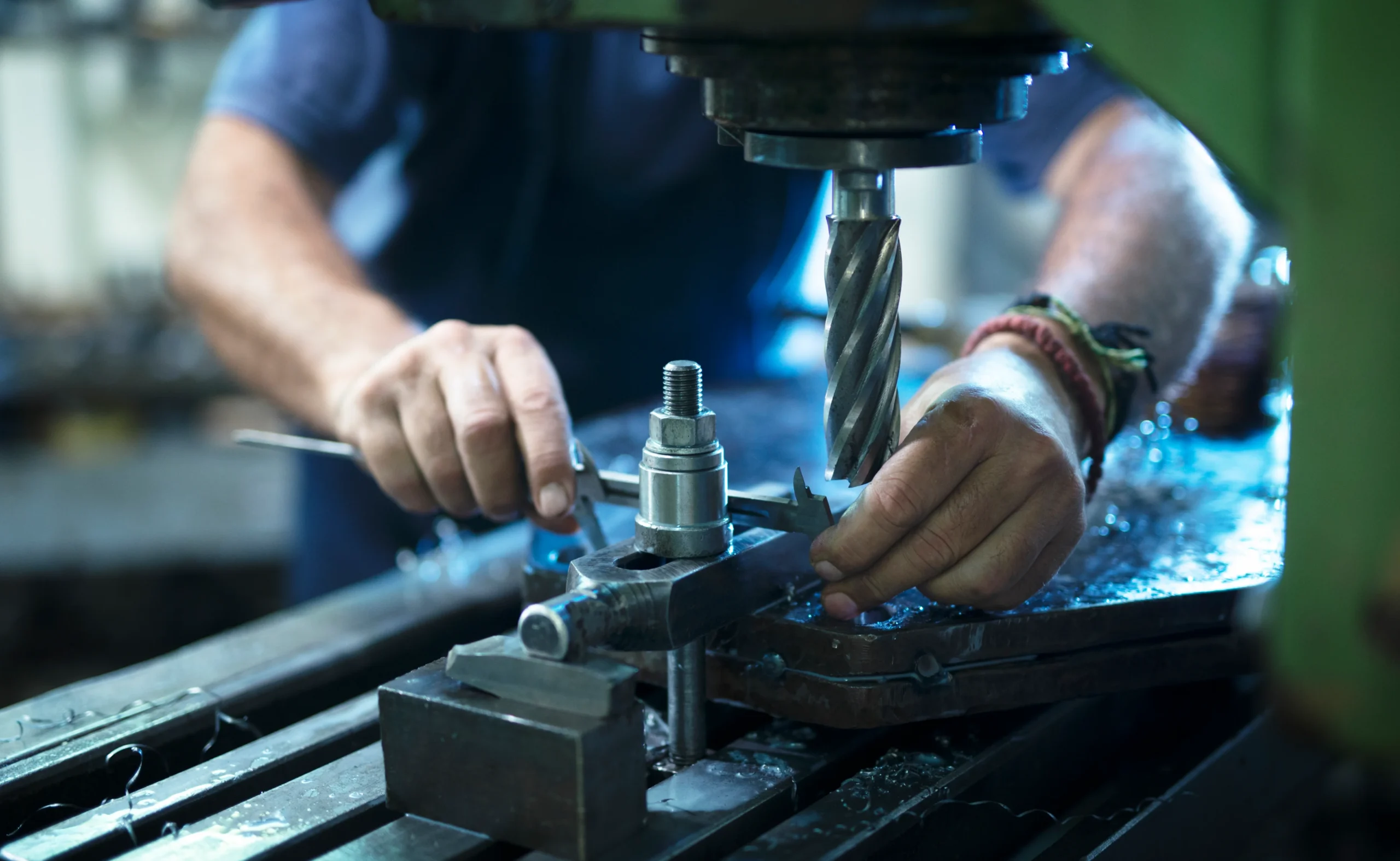
A toolpath is just a line in space until you add CNC toolpath verification. In our experience, skipping the simulation is the fastest way to buy a new spindle.
Our CNC machining simulation service creates a “Digital Twin” of your actual machine setup. We verify every line of G-code programming before it ever hits your shop floor. This ensures:
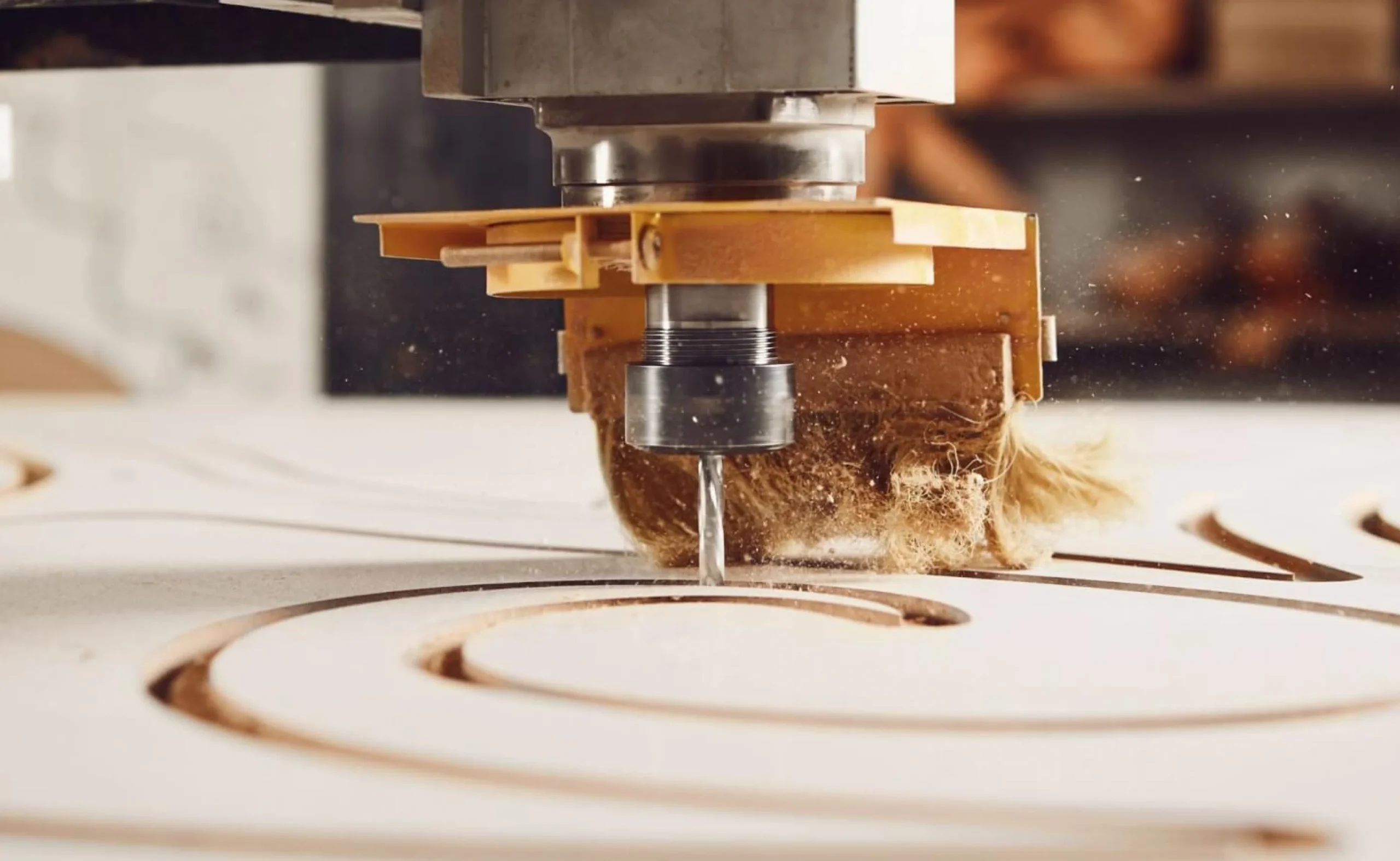
We provide CNC manufacturing solutions that go beyond the border. From high precision CNC programming for medical devices in the UAE to automotive CNC machining in the UK, we adapt to your local standards (like the new ISO 9001:2026 climate-conscious updates).
Our CAD to CNC programming workflow is seamless. We take your design and deliver a “Plug and Play” G-code file, complete with a CNC post processor setup tailored to your specific machine (Haas, Fanuc, Heidenhain, etc.).
The Fluxiss Difference: We don’t just give you a file; we give you CNC manufacturing support. If the tool chatters, we tweak the CNC cutting parameters. If the finish isn’t right, we redesign the CNC finishing toolpaths.
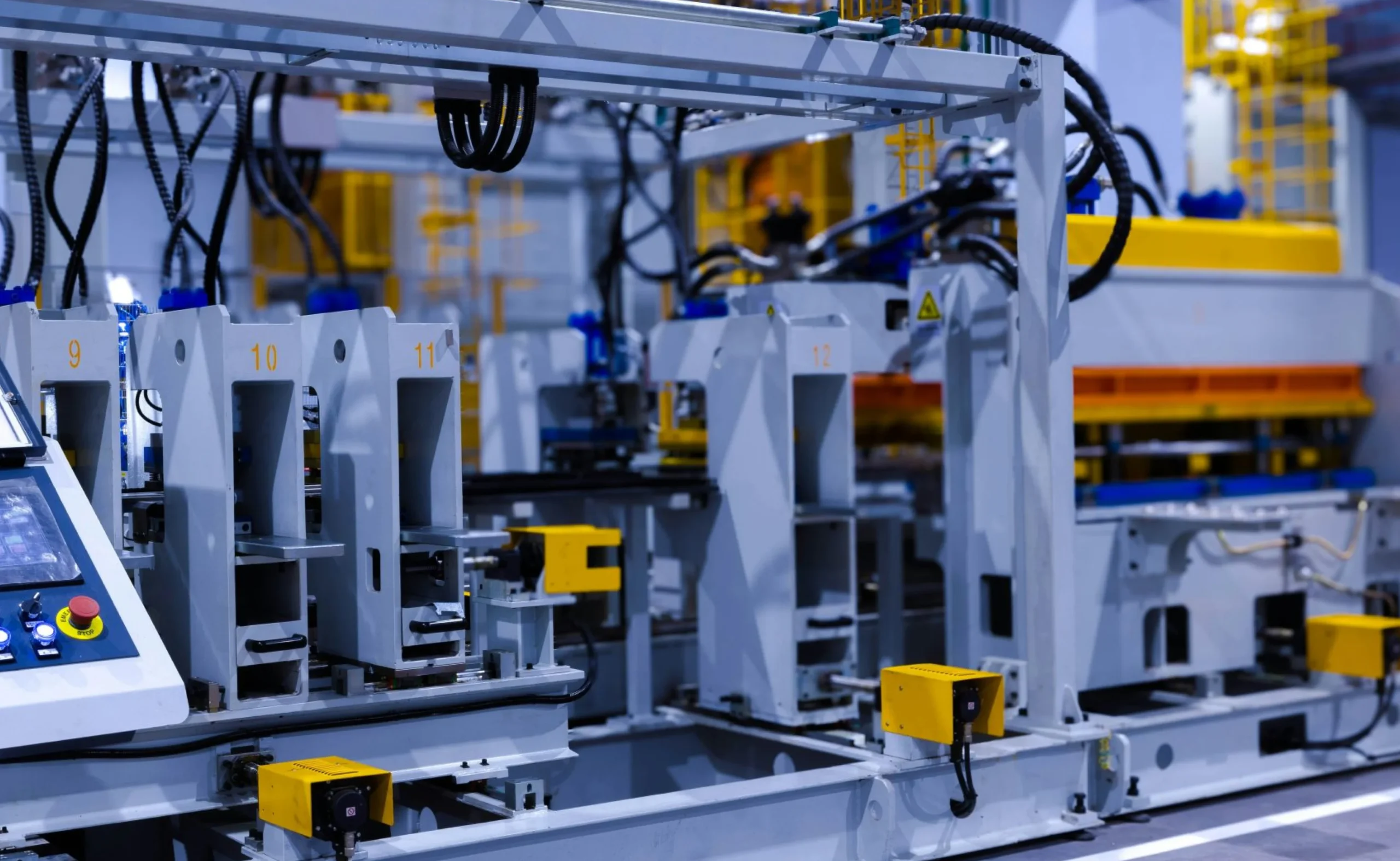
Stop guessing and start cutting with precision. Whether you need a CNC programming consultancy or a full CNC production programming service, Fluxiss is ready to help you scale.
We do this by optimising manufacturing toolpaths so that we reduce air cutting and optimise CNC cutting parameters. This saves time that each part would take on the machine. Reduced cycle times imply reduced labour expenditure and reduced power consumption. It has been argued based on research on machining efficiency that optimum paths can increase throughput by 20 percent or more.
Yes. We specialize in CNC post processor setup for a wide range of legacy and modern controllers. Whether it's a 20-year-old lathe or a brand-new 5-axis center, we ensure the G-code programming is compatible and safe. We focus on CNC machining control to ensure your hardware performs at its peak.
CAM-based CNC programming provides a way to program multi-axis machining strategies, which are complex and cannot be programmed manually. It allows checking the CNC machine and simulating machining, avoiding expensive crashes. With CAM software workflow, it is also possible to employ automated machining solutions, such as feature recognition, that radically accelerate the CNC production programming stage.
The CAD model is the idea, whereas the CNC machine installation is the reality. Tool motion CNC verification software is used to simulate the physical motion of the tool, holders, and machine axes. This is used to detect mistakes where the tool may strike a clamp or the machine may stop. It is a crucial element in digital manufacturing planning as a way of promoting safety.
We’re proudly serving clients across the USA, UK, UAE, and Europe. From corporate giants to research labs and the shipping industry,