
After spending years looking at systems from Houston to London and Dubai, we’ve realised that static math is only half the story. The real danger happens when things start moving.
At Fluxiss, we specialize in Dynamic Stress Analysis. This isn’t just about a pipe sitting on a rack; it’s about how that pipe survives a sudden earthquake in California, a 100-mph gale in the Gulf Coast, or a massive pressure surge in a UAE refinery. we’ve seen what happens when these forces are ignored—valves snap, supports fail, and plants shut down.
Most people understand gravity, but transient stress analysis piping systems deal with “now-you-see-it, now-you-don’t” forces. These are loads that change over time. Our research into ASME B31.3 and BS EN 13480 shows that these “ghost loads” are the primary cause of fatigue failure.
We’ve studied how seismic pipe stress analysis service works in earthquake-prone zones like Los Angeles or Istanbul. We don’t just guess; we use response spectrum methods to see how the ground’s vibration transfers into your piping. If your piping dynamic load stress calculation doesn’t account for inertia, the pipe will tear itself away from the building.

For above-ground piping in places like Florida or Scotland, wind is a constant enemy. A wind load stress analysis piping study ensures that long pipe runs don’t act like sails. We’ve heard stories of pipes bowing like archery bows because the wind frequency matched the pipe’s natural frequency. We stop that from happening.
This is probably the most common issue in chemical plants. Pumps and compressors create tiny shakes. Over millions of cycles, those shakes lead to vibration induced pipe stress assessment failures. It’s like bending a paperclip back and forth until it snaps. At Fluxiss, we use vibration stress analysis for pipes to find these “hot spots” before they crack.
Have you ever heard a loud bang in your pipes at home when you turn off a faucet? In an industrial oil & gas design, that’s a fluid hammer pipe stress study scenario. A rapid valve closure sends a shockwave through the liquid that can blow out gaskets. Our piping stress dynamic simulation service models these surges to keep your system airtight.

We experimented with various tools, and while some people try to DIY this with basic software, we stick to high-end dynamic pipe stress modelling service platforms like CAESAR II and AutoPIPE.
Why? Because dynamic response piping stress engineering requires precision. You need to know exactly how a piping support dynamic stress check will hold up when a slug of liquid hits a 90-degree elbow at 20 feet per second. We provide dynamic pipe stress engineering solutions that go beyond simple “pass/fail” marks—we optimize the whole route.
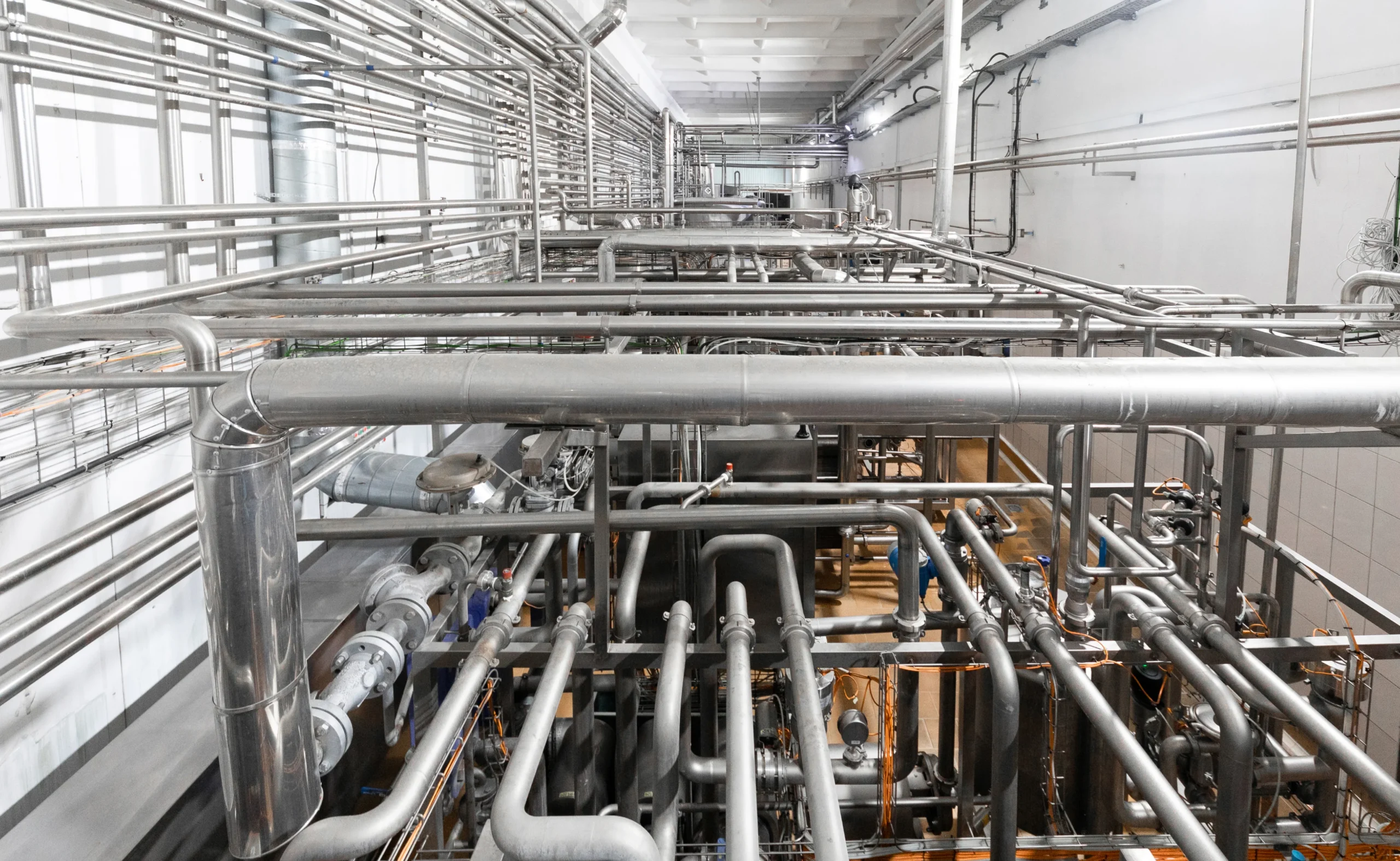
A pipe is never truly “still.” Between the wind, the pump’s hum, and the fluid’s rush, your system is always under fire. Whether you are building a chemical plant in Chicago or a power plant in Abu Dhabi, our piping dynamic stress optimisation service ensures you stay operational.
Contact Fluxiss Today for a Dynamic Stress Consultation
Sudden pressure spikes can rupture expensive valves and cause environmental leaks. By simulating these surges, we identify where to add surge tanks or slower-closing valves. You save millions in emergency repairs. Get a fluid hammer study before your next commissioning.
Yes, under ASME B31.3 and local building codes like ASCE 7. Even in low-risk areas, insurers often require seismic & wind piping stress service to cover your assets. Peace of mind that an tremor won't level your plant.
If your pipes are shaking, they are failing. We provide vibration induced pipe stress assessment for brownfield sites to troubleshoot current issues. Eliminate the risk of fatigue-related shutdowns and extend equipment life.
Static is "fixed" loads; dynamic is "moving" loads. Dynamic response piping system modelling captures the effect of time and speed. Most failures are dynamic, so you need more than just a static check. Upgrade your safety with a full dynamic stress study.
We’re proudly serving clients across the USA, UK, UAE, and Europe. From corporate giants to research labs and the shipping industry,