
When we started studying horizontal transportation design, one thing became clear fast: roads fail when design ignores people. At Fluxiss, we’ve seen projects look perfect on paper but struggle on site because alignment, pavement layers, or pedestrian access were not planned right.
At Fluxiss, we focus on civil transportation engineering that works on the ground — not just inside software. Our transportation engineering services follow U.S., UK, and international standards while staying practical for cities like New York, Los Angeles, London, Manchester, Dubai, Abu Dhabi, and Berlin.
When we design roads, we think about traffic flow, safety, and maintenance — not just geometry.
Our roadway design services include:
We follow AASHTO Green Book standards for horizontal alignment, sight distance, and superelevation.

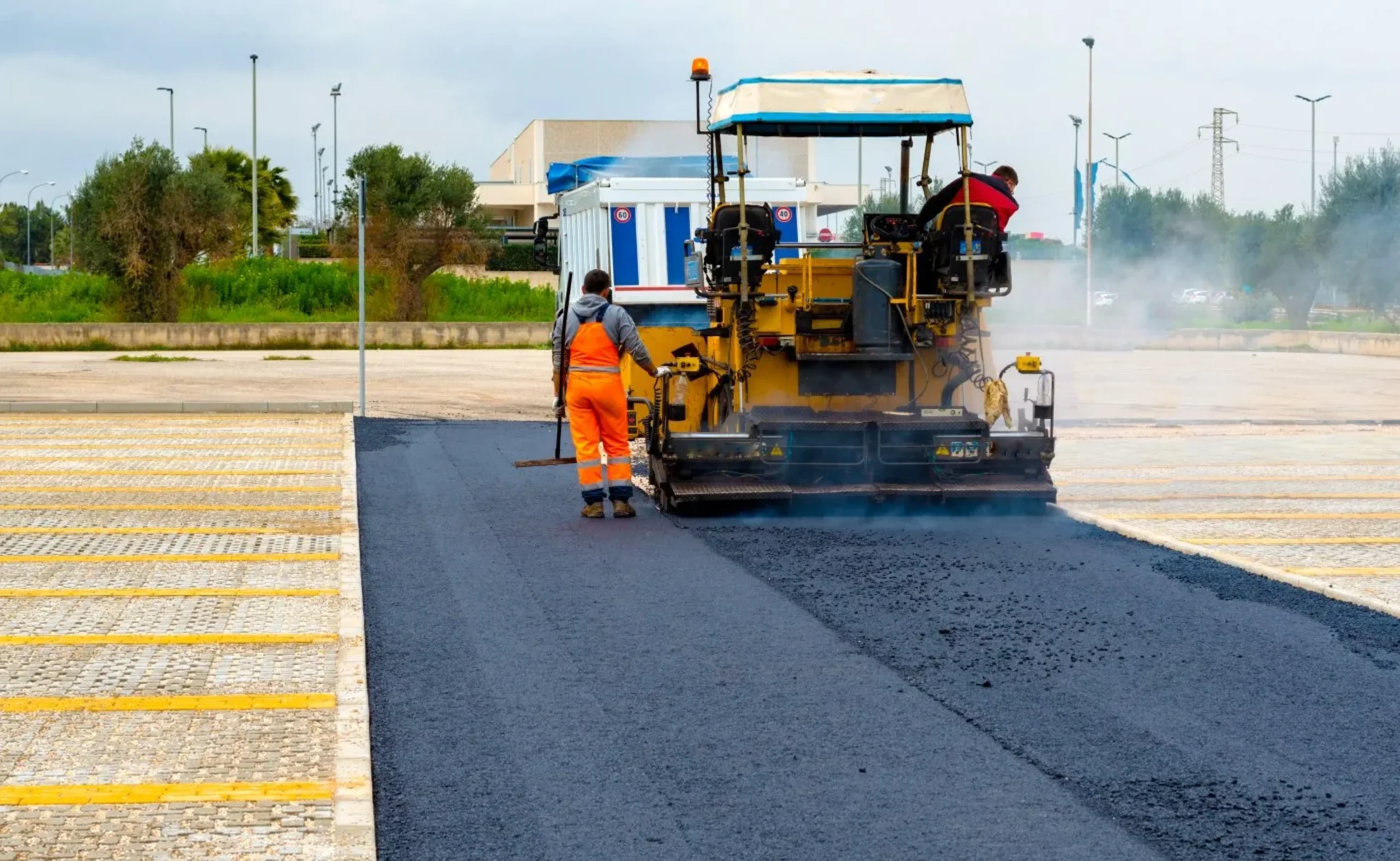
Pavement failure usually starts below the surface. We’ve learned this the hard way.
Our pavement design services focus on:
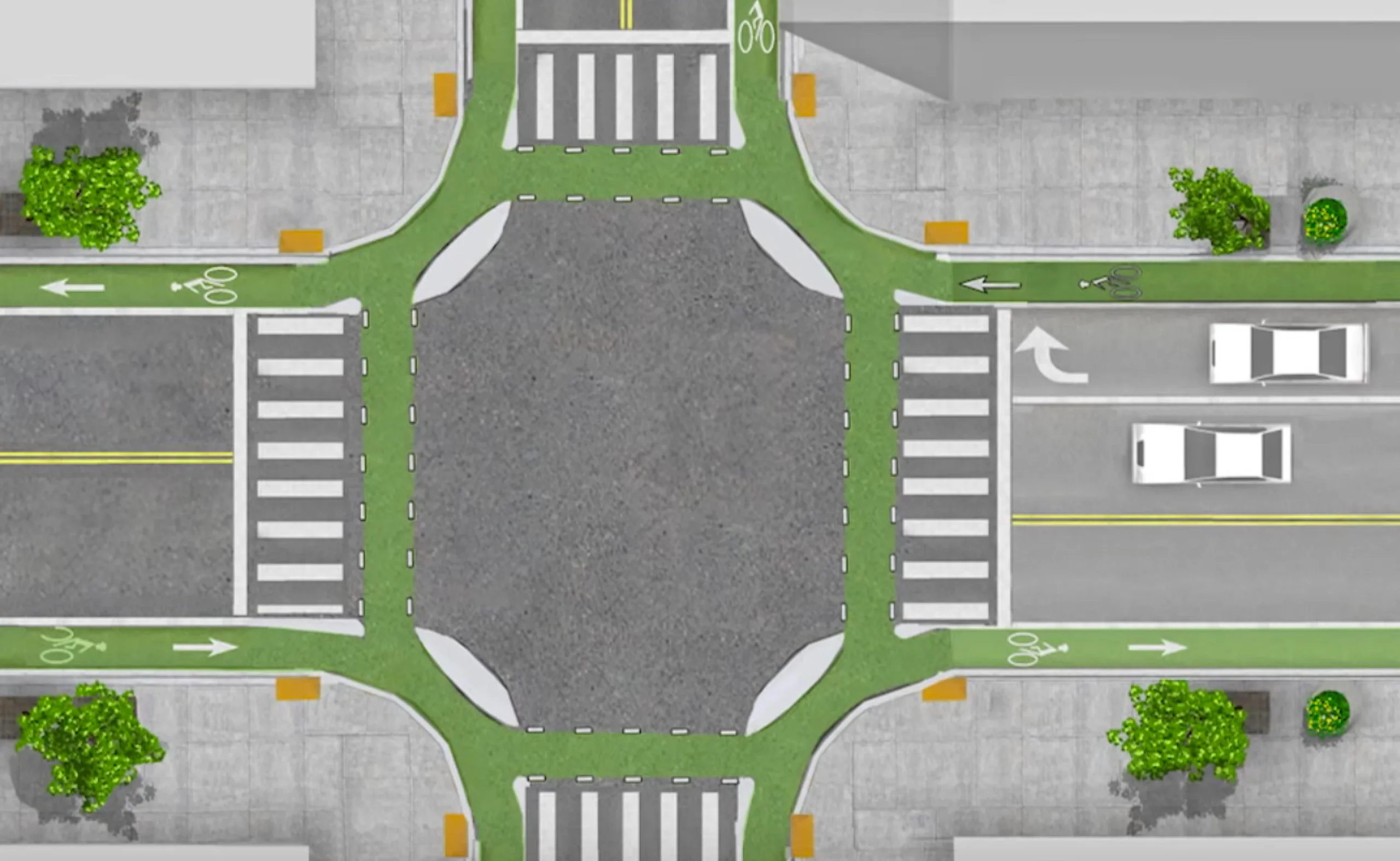
Bad intersections slow cities down. Good ones save time and lives.
Our intersection design services include:
We design based on MUTCD, Highway Capacity Manual (HCM), and Highway Safety Manual (HSM).
We’ve walked streets where sidewalks simply stop. That’s bad design.
Our pedestrian walkway design and sidewalk design focus on:


Fluxiss provides surface transportation design and transportation network design across:

If you’re planning road infrastructure services, parking area design, transport corridors, or pedestrian infrastructure, we would love to talk.
Contact Fluxiss – Transportation Engineering Services
We design for people, traffic, and long-term performance — not just drawings.
The design of the roadways in the USA is supported by the AASHTO Green Book geometry, MUTCD traffic control, MEPDG pavement design, and HCM/HSM traffic capacity and safety. Fluxiss uses these requirements in the municipal, highway and urban transportation projects.
In the USA, roadway design is based on AASHTO Green Book geometry, MUTCD traffic control, MEPDG pavement design, and HCM/HSM traffic capacity and safety. Fluxiss implements these criteria in municipal, highway, and urban transport projects.
The pavement thickness is determined by analysis of the traffic load, soil condition, climate and type of materials. With AASHTO MEPDG, Fluxiss develops asphalt and concrete pavements that address actual traffic flows and regulate maintenance expenses over a long period.
We’re proudly serving clients across the USA, UK, UAE, and Europe. From corporate giants to research labs and the shipping industry,