
When we talk about engineering sustainability impact, we talk about how every design choice in a project touches the environment, economy, and society. Whether you work in civil, structural, or mechanical fields, the way you pick materials, run stress analysis, or plan a building decides the future carbon footprint. In the USA, companies like Fluxiss already build sustainability into daily engineering decisions because clients and regulators demand it. Let’s walk through the real practices, numbers, and benefits that help engineers cut carbon, reduce costs, and meet tough standards.
Engineering sustainability Impact Factor measures how strongly a project’s design affects energy use, emissions, and resources over its lifetime. Think of it like a performance scorecard that compares two design options.
A clear example comes from Arup’s whole-life carbon reports showing how small structural changes cut 20% of embodied emissions.
Massive embodied carbon is contained in roads, bridges and water systems. Civil engineering sustainability impact aims at reducing emissions in the production of materials and long-term maintenance.
Fluxiss Services helps clients apply lifecycle assessments and design changes to meet these new rules.
Sustainable design engineering practices in USA are a combination of energy-efficient layouts, renewable energy integration, and intelligent choice of materials.

Every bolt, beam, or pump you choose changes the engineering decisions and environmental footprint of a project.
Engineers who calculate life-cycle cost analysis show clients that green options save money over decades.
It’s not just about strength. How stress analysis improves sustainability is simple: accurate finite element analysis lets you remove unnecessary material while keeping safety intact.
Lifecycle assessment for engineering projects (LCA) is a method that calculates environmental impact from raw material to disposal.
Green engineering decision making is about selecting processes and materials that minimise pollution and hazards while staying cost effective.
Engineers cut emissions in two main ways:
Fluxiss shows how reducing carbon emissions through engineering design is now a selling point, not an afterthought.
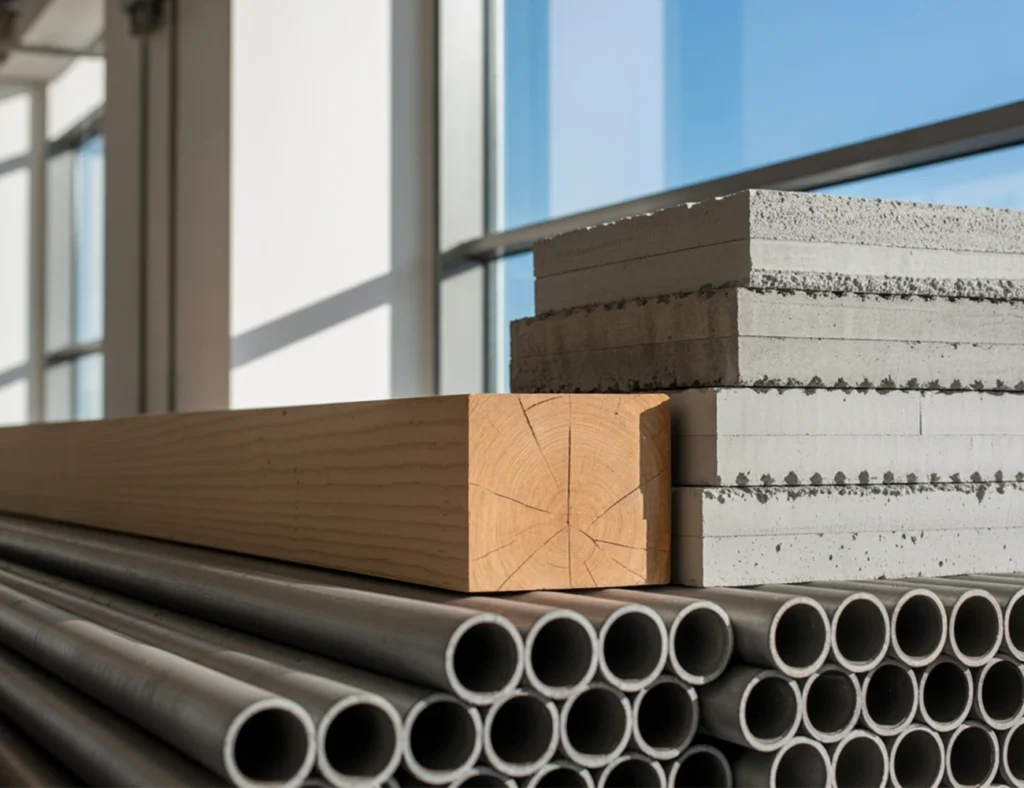
Material choice defines much of a project’s footprint. Materials selection impact on environment engineering includes:
This is in line with renewable materials in structural design trends, which are gaining momentum in the US infrastructure.
Energy prices continue to increase, and therefore energy-efficient engineering decisions are important to all clients.
Meeting environmental rules is not optional. Environmental compliance in engineering projects covers ISO 14001, NEPA, state permits, and client sustainability clauses.
You can contact Fluxiss to learn how compliance planning starts at the proposal stage.
In buildings and bridges, structural engineering and environmental sustainability go hand in hand.
These steps feed directly into eco-friendly engineering solutions demanded by large US developers.
If you run or work in an engineering company, here’s a quick checklist:
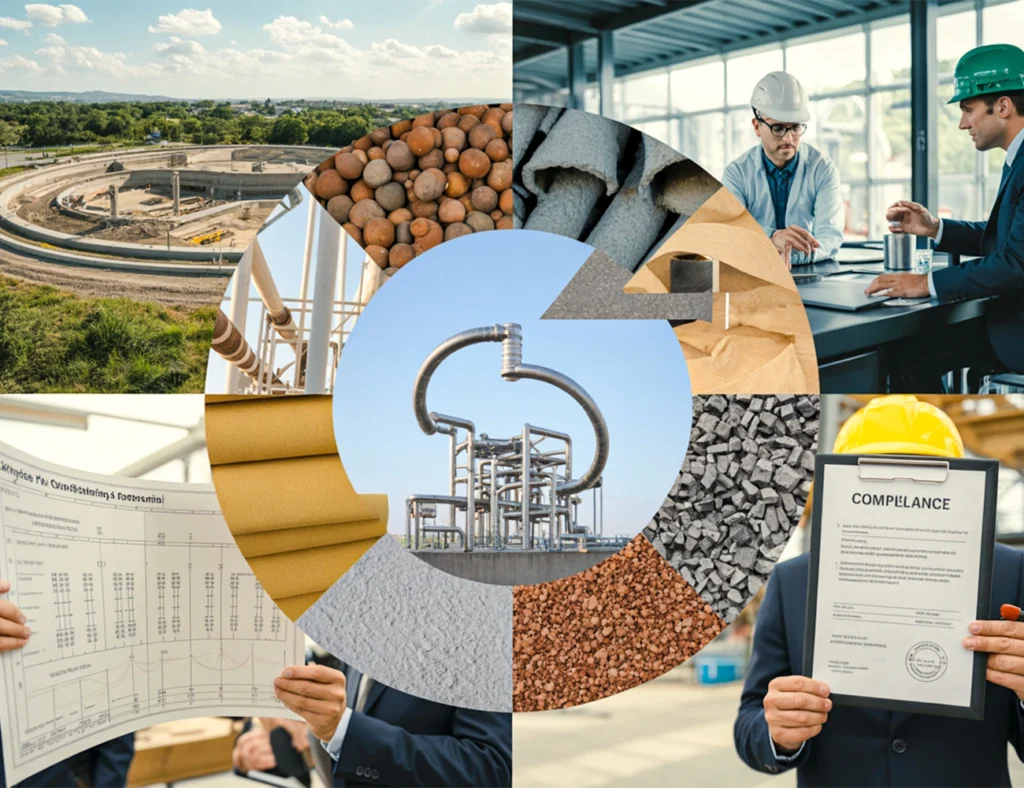
The daily design choices determine the engineering sustainability impact of any project. In civil work, piping systems, and other works, stress analysis, lifecycle assessment, and green decision-making can be used by engineers to reduce carbon, reduce costs, and fulfill regulatory requirements.
Contact Fluxiss to see how smarter environmental decisions also lead to stronger business outcomes. Start small, track your impact, and each project will move you closer to a sustainable future.
It is the measurable effect of engineering decisions on the environment, society, and economy across the full project lifecycle.
Accurate stress analysis removes excess material, which lowers embodied carbon and transport energy while maintaining safety.
Lifecycle assessment gives a complete picture of emissions and costs from material extraction to disposal, helping engineers pick the most sustainable option.
Key standards include ISO 14001, LEED, and state energy codes like ASHRAE 90.1. These provide clear targets for design and reporting.
Begin with simple steps: track material use, choose recycled options, and perform a basic life-cycle cost analysis to identify savings.
We’re proudly serving clients across the USA, UK, UAE, and Europe. From corporate giants to research labs and the shipping industry,