
When you work in industrial engineering, you must have heard people talking about sustainable manufacturing practices. It is no longer a catchphrase. Clients, investors, and even regulators desire to observe the manner in which corporations are decreasing pollution, minimizing waste, and constructing accountability into projects. The EPA sustainable manufacturing provides a clear guideline on the manner in which these practices can be implemented in industries.
The link between sustainability and ESG is getting stronger each year. Engineering firms—especially in piping, energy, and heavy industries can no longer treat ESG as an afterthought. Instead, it’s becoming part of project planning, procurement, and reporting.
In this blog, we’ll discuss how sustainable manufacturing practices connect with ESG integration in industrial engineering. We’ll cover the ESG framework for industrial engineering, ESG metrics in manufacturing projects, reducing carbon footprint in manufacturing, green supply chain industrial engineering, and more. By the end, you’ll see why this matters for firms like Fluxiss.
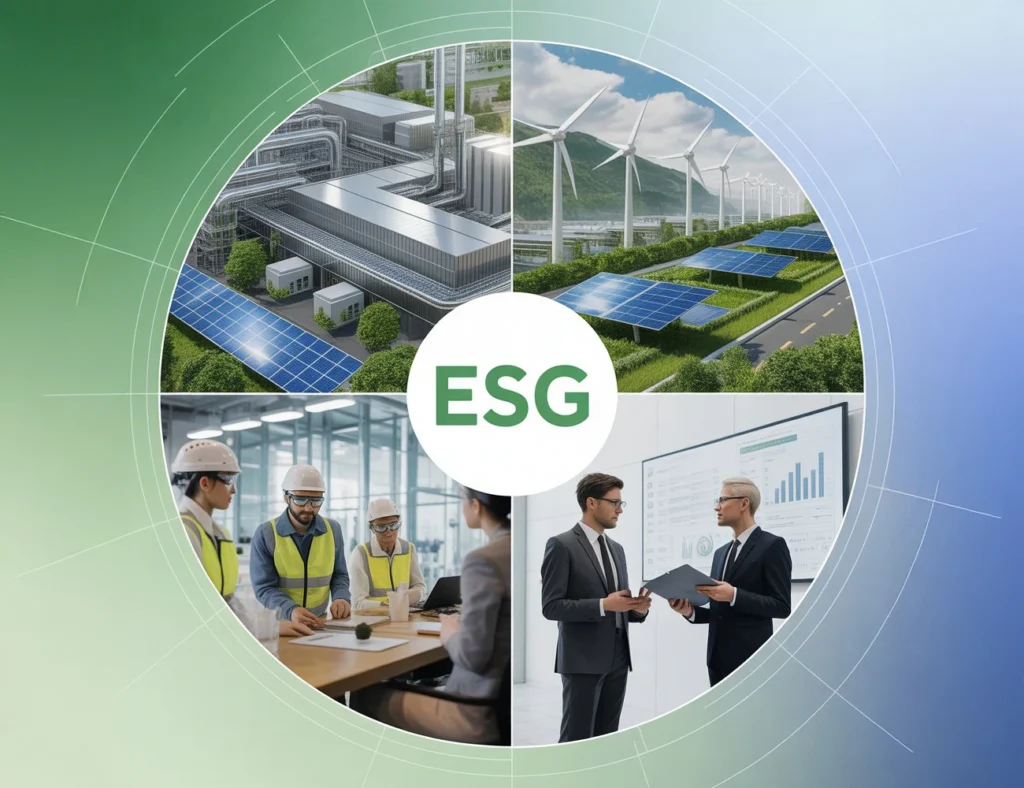
So, what exactly is the ESG framework for industrial engineering?
In simple words, it’s a set of rules and practices that help companies report on three big areas:
For industrial engineering firms, following an ESG framework means aligning projects with international standards (like GRI or SASB). It’s not just for reporting it also shows clients and stakeholders that your firm takes responsibility.
Without proper governance, sustainability targets often stay on paper. Governance in engineering operations means clear accountability: who tracks carbon numbers, who approves suppliers, and who ensures compliance. When these roles are defined, ESG becomes part of everyday project execution.
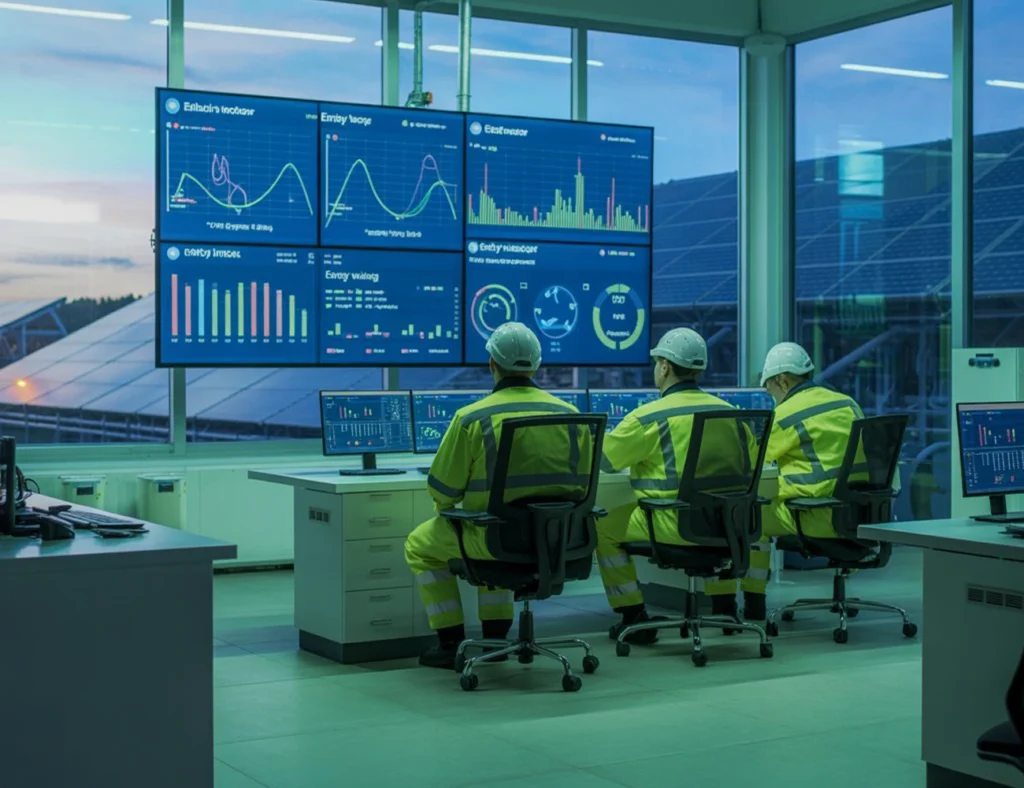
Whenever you hear ESG, the next question is always: How do we measure it?
That’s where ESG metrics in manufacturing projects come in. Some common ones are:
For pipe and plant projects, these metrics can be built into dashboards. Managers track them monthly and adjust processes.
Lifecycle assessment in industrial engineering (LCA) is another impact measure. It considers a product or a system between the extraction of the raw material to disposal. As an example, it can be steel vs composite pipes, or open-cut vs trenchless installation. The insights direct the clients to make less harmful decisions.
Now let’s talk about action. How do firms actually start integrating sustainability in engineering projects?
Here are some practical steps:
The idea is to embed sustainability right at the design stage, instead of adding it later.
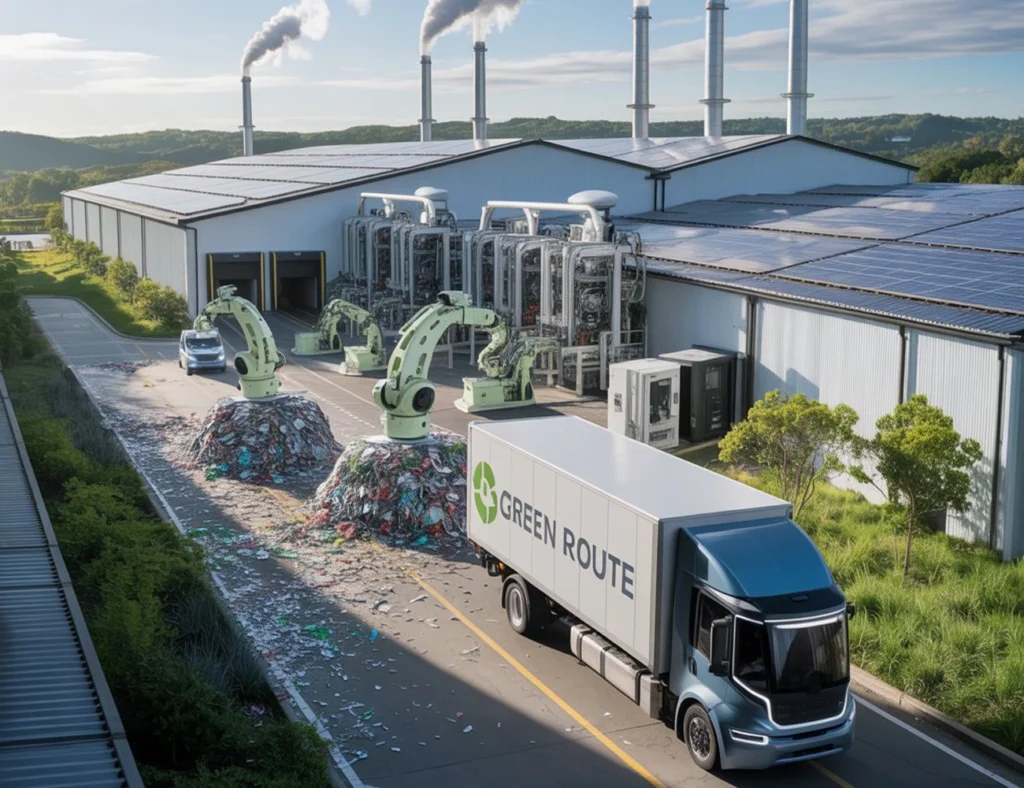
This is most likely to be the largest focus nowadays. Some of the strategies involved in reducing carbon footprint in manufacturing include:
Minimal alterations in the choice of material can change a lot throughout the life cycle of the project.
Sustainability isn’t only about the environment. Social responsibility in engineering design is equally important. This covers:
For example, designing quieter fabrication techniques or making sure that the installation processes are safer is a way of being responsible to society.
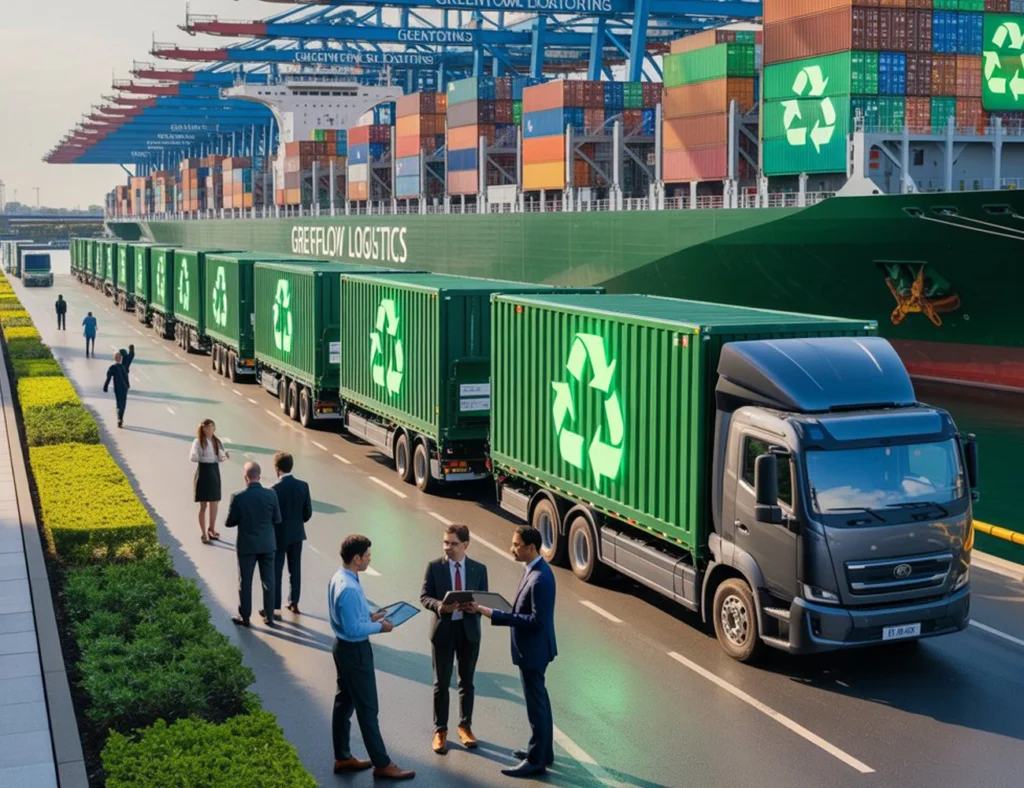
A big part of ESG lies in the supply chain. Green supply chain industrial engineering means selecting vendors who share sustainability values.
That includes suppliers who:
Since most emissions come from suppliers (Scope 3), focusing on the chain gives real results.

So, how do firms prove they’re compliant? Industrial project ESG compliance involves:
This is where documentation becomes as important as design.

Another piece that gets ignored is stakeholder engagement in engineering. You can’t push ESG without involving people.
This includes:
Strong engagement prevents project delays and builds the “social license to operate.”
If you’re still wondering why all this matters, here’s the short answer:
To wrap it up, sustainable manufacturing practices are no longer optional. They directly drive ESG integration in industrial engineering. It can be summed up in reducing carbon footprint in manufacturing to green supply chain industrial engineering, governance to reporting- it all counts.
In the case of engineering companies, this change is either a matter of survival or losing business and reputation.
Want to explore ESG-driven engineering? Visit Fluxiss services or connect with us through our contact page.
It’s the use of efficient processes and responsible material choices to reduce environmental harm, improve social impact, and ensure strong governance in projects.
It helps firms measure and report their environmental, social, and governance performance. It guides compliance and shows accountability to stakeholders.
They are measurable indicators such as energy use, environmental performance indicators, carbon emissions, waste reduction, and safety rates.
It identifies impacts from raw material to disposal, helping engineers select lower-impact materials and methods.
By switching to renewable energy integration in manufacturing, recycling materials, optimizing logistics, and applying carbon emissions reduction strategies.
It means meeting reporting standards, engaging stakeholders, and proving that the project aligns with environmental, social, and governance requirements.
It ensures smoother approvals, fewer community objections, and stronger trust with investors and clients.
We’re proudly serving clients across the USA, UK, UAE, and Europe. From corporate giants to research labs and the shipping industry,