
This service spotlight follows the Fluxiss 3D Piping Design and Layout service from the design basis to coordinated, construction-stage outputs. The published scope brings Piping Layout Design, Isometric Drawing Generation, Clash Detection, P&ID Development and Material Take-Offs together so owners, EPC teams and fabricators can define which parts of the workflow they need.
The starting package should identify the process basis, current P&IDs, line list, equipment arrangement, piping classes, tie-ins, operating conditions and project coordinate system. Existing facilities may also need survey or scan information and a clear record of what is verified versus assumed. Our guide to P&ID and its role in process engineering explains how process logic, valves and instrumentation provide the foundation for the physical model; the 3D layout should not silently replace unresolved process information.
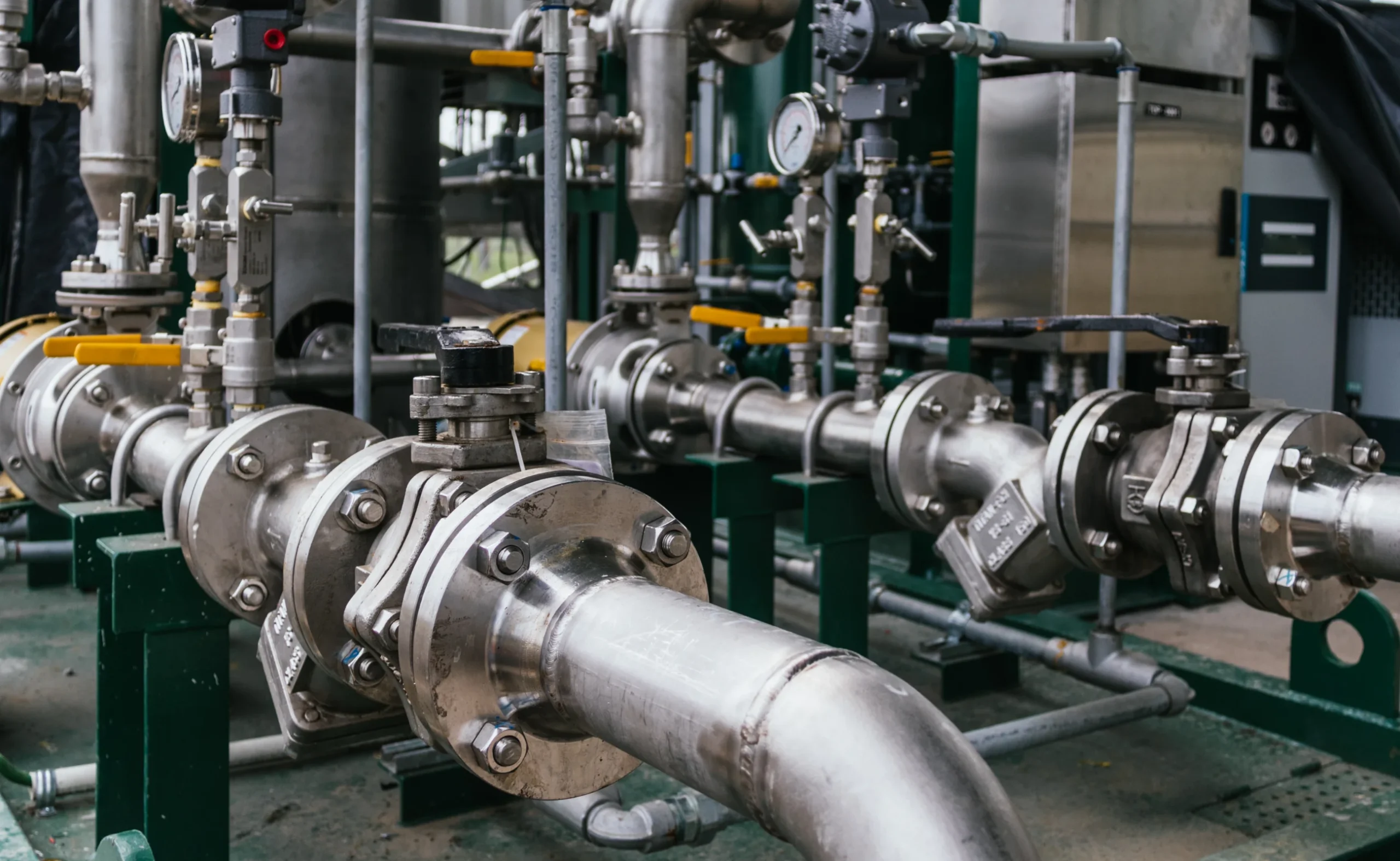
“Explore the Fluxiss 3D piping workflow for routing, clash coordination, isometric generation, material take-offs and construction-ready deliverables.”
Routing decisions need to account for equipment connections, operating access, valve reach, drainage, vents, insulation, pipe supports, structural steel and future removal space. Clash Detection should therefore include hard interferences and the soft clearances required for operation and maintenance. A coordinated model also needs issue ownership: when a route moves, the team should record the affected line, discipline interface, calculation or document and the revision that carries the accepted change.
Once the model is coordinated, Isometric Drawing Generation translates the layout into line-based fabrication and installation information. The service scope can include bills of material, weld information, support references and project annotations, but the required content and issue status must be agreed. Material Take-Offs should be extracted from a controlled model and checked against the applicable line and specification data rather than treated as an independent spreadsheet with no revision link.
Layout and flexibility remain connected. A route that avoids spatial clashes can still impose unacceptable movement or equipment loads, so the design basis should identify when Pipe Stress Analysis and support review are required. Our article on common piping design mistakes covers thermal expansion, pump interfaces, access and support issues that can appear when layout decisions are made in isolation. The model, analysis and isometrics should use compatible geometry and revision references before an issued-for-construction package is released.
To start a piping-design review, contact Fluxiss with the process documents, equipment layout, line information, available model or survey data, software and file-format requirements, project stage and delivery schedule. Clients can also schedule a technical meeting to review interfaces and define the expected model, isometric, MTO and clash-report outputs. The proposal confirms the applicable codes, software environment, responsibilities and issue status for the specific project.
Fluxiss Team contributes services insights to the Fluxiss content library.
Related articles.

Let's Build Something Great Together.
Partner with Fluxiss for engineering that holds up - under pressure, under load, under scrutiny.