
Safety and compliance are areas where cutting corners may have disastrous effects on pressure vessel projects. It is not just a code book, but it is averting disaster. At Fluxiss, we do not merely act in accordance with a rule; at Fluxiss, we impregnate the DNA of the life cycle of your vessel with safety.
The extensive study of the industry standards by our engineers, be it the ASME BPVC in the United States or PD 5500 in the UK, has demonstrated that compliance is not merely a stamp. We assist international customers in Houston, Texas, in London, and Abu Dhabi to find their way around the complex world of pressure rating and regulatory compliance.
We work with the three pillars of our Safety and Compliance service: making sure your vessel is sound, guaranteed to vent properly, and signed off by the highest authorities.
When a new pressure vessel rolls out of the fabrication shop, how do you know the steel and the welds are actually good? You can’t just cut it open. That’s where Non-Destructive Testing (NDT) Procedures come in—it’s how we ensure material integrity and prevent failure before it happens. It’s truly a crucial step in quality assurance.
We’ve spent countless hours studying the standards. We follow ASME Section V in the US and the relevant BS EN/ISO standards in the UK/EU for every inspection procedure. The goal is simple: defect detection without damaging the vessel’s future.

We ensure all our technicians hold valid NDT certification (ASNT or ISO 9712) because you need the best eyes and hands on your vessel.

This is where the engineering gets critical. A pressure vessel is essentially a controlled bomb; if the pressure spikes and there’s no way out, you have a major incident. The job of every Fluxiss engineer is to ensure your relief system design can handle the absolute worst-case scenario. This is known as overpressure protection.
We apply the strict API RP 520/521 guidelines (US standard) and the requirements of PD 5500 or EN 13445 (UK/EU standards) to every calculation.

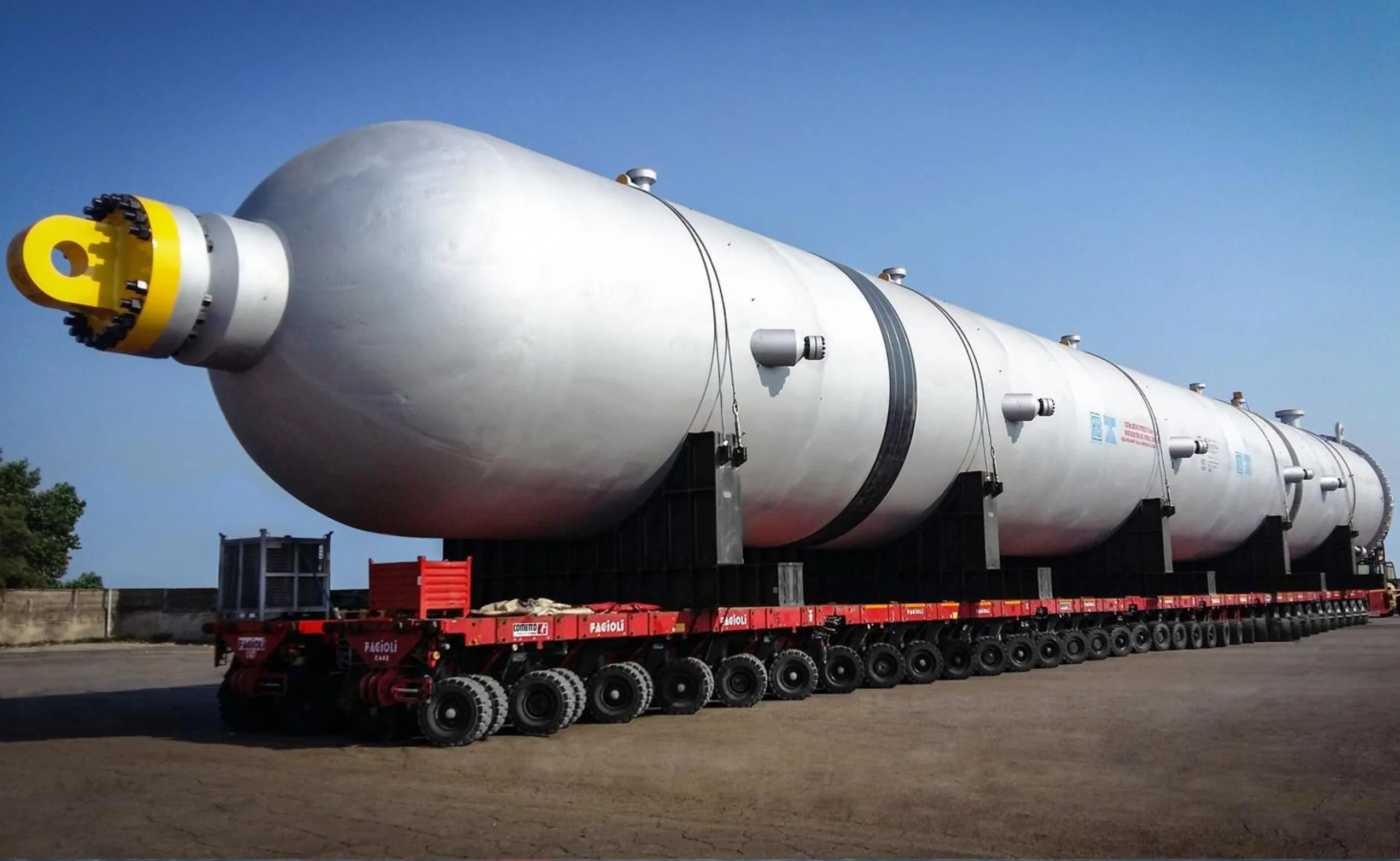
A Third-Party Inspection Coordination is mandatory. We work as the crucial link between your fabricator and the authorized inspection authority—the people who give the final, legal stamp of approval.
This oversight is critical for code compliance, and it’s the most definitive check against your project specifications.

When you partner with Fluxiss, you’re not just getting a report; you’re getting peace of mind. We’ve compiled knowledge from years in the field and the latest 2025 code updates to provide a service that is rigorous, global, and proactive. We ensure your assets in New York, Birmingham, or Dubai are safe, compliant, and ready for service.

Your vessel’s compliance is the core of its longevity and safety. We’ve laid out the rigorous approach we take at Fluxiss across NDT methods, relief sizing rules, and inspection management—a full-service approach you need.
Ready to secure the future of your assets?
[Contact Fluxiss Today to Discuss Your Safety and Compliance Needs]
NDT testing (Non-Destructive Testing) involves techniques like ultrasonic testing and radiographic testing that are used to detect internal flaws, cracks, or material defects in the vessel without destroying it. It is the requirement of quality assurance and determining material integrity of welds and plates which make the vessel safe to operate under pressure. This is a mandatory process that helps in the cracks detection and prevention of structural failure.
Code-specified formulas are used to determine relief capacity in the worst-case scenario (e.g. fire, blocked discharge) that might result in overpressure protection problems. These flow calculations will give the size that you need to use in your design of the safety valve or rupture disk sizing. We apply such standards as API 520/521 to adjust the appropriate set pressure and sufficient emergency venting to prevent any pressure violation of a vessel.
In the US and UK, certification is conducted by an Authorized Inspector (AI) or a Notified Body, respectively, who conducts the third-party inspection. These experts (fabrication inspection and witness tests) are coordinated by us. The main code sets of code compliance are the ASME BPVC (USA) and PD 5500 or BS EN 13445 (UK/Europe) which governs the whole inspection process.
Fluxiss offers holistic inspection coordination services which incorporate region-based requirements. In the case of US-based projects, we comply with ASME and API; in the case of the UK/Europe, we comply with PD 5500 and PE(S)R. We guarantee the proper application of the appropriate NDT certification and inspection method all over the world, which gives us a chance to produce and verify quality and certify assistance without disruption, regardless of the place of operation.
We’re proudly serving clients across the USA, UK, UAE, and Europe. From corporate giants to research labs and the shipping industry,