
When we first started learning about static seismic analysis, we wondered why engineers often choose a “static” method for something as dynamic as an earthquake. Over the years, after working with teams in Houston, New York, London, Manchester, Dubai, Abu Dhabi, and Berlin, we realized one thing: people need a method that is reliable, predictable, and code-compliant without unnecessary complexity. That’s exactly where Fluxiss steps in.
Fluxiss provides Static Seismic Analysis: Using equivalent static forces to model seismic loads, helping industries in the USA, UK, Europe, and UAE get safe piping and structural systems that meet global seismic design codes.
Most of the clients we meet want fast clarity. Static seismic analysis gives that clarity.
Instead of running ultra-complex earthquake simulations, we apply equivalent static forces based on seismic load calculation, code formulas, and real hazard data.
This approach makes things simple for people who just want answers:
Will my system survive an earthquake or not?

We always begin with earthquake force modelling, using site parameters and component weights. This turns into a base force that represents the earthquake.
Codes we use:
Once the force is known, we apply it as a static earthquake analysis load case. It’s the same basic idea everywhere, from a refinery line in Texas to an HVAC system in London.

For Fluxiss, this is the heart of the service.
We distribute forces along the structure’s height or pipe mass points, following seismic design codes. This turns into an easy-to-review model where we can check:
It helps us answer: Is the system strong, flexible, and still safe?

Clients often ask what’s inside the service, so here’s the real list:
We calculate forces, accelerations, amplification factors, and mass distribution.
We apply horizontal/vertical loads in analysis software (CAESAR II, SAP2000, STAAD, Robot).
We combine seismic loads with pressure, weight, and temperature.
We adjust supports, anchors, and restraints based on the force outputs.
We match everything with ASCE 7, Eurocode 8, EN 13480, and B31 rules.
This process works the same whether we are evaluating pipelines in Dubai or manufacturing systems in Chicago.
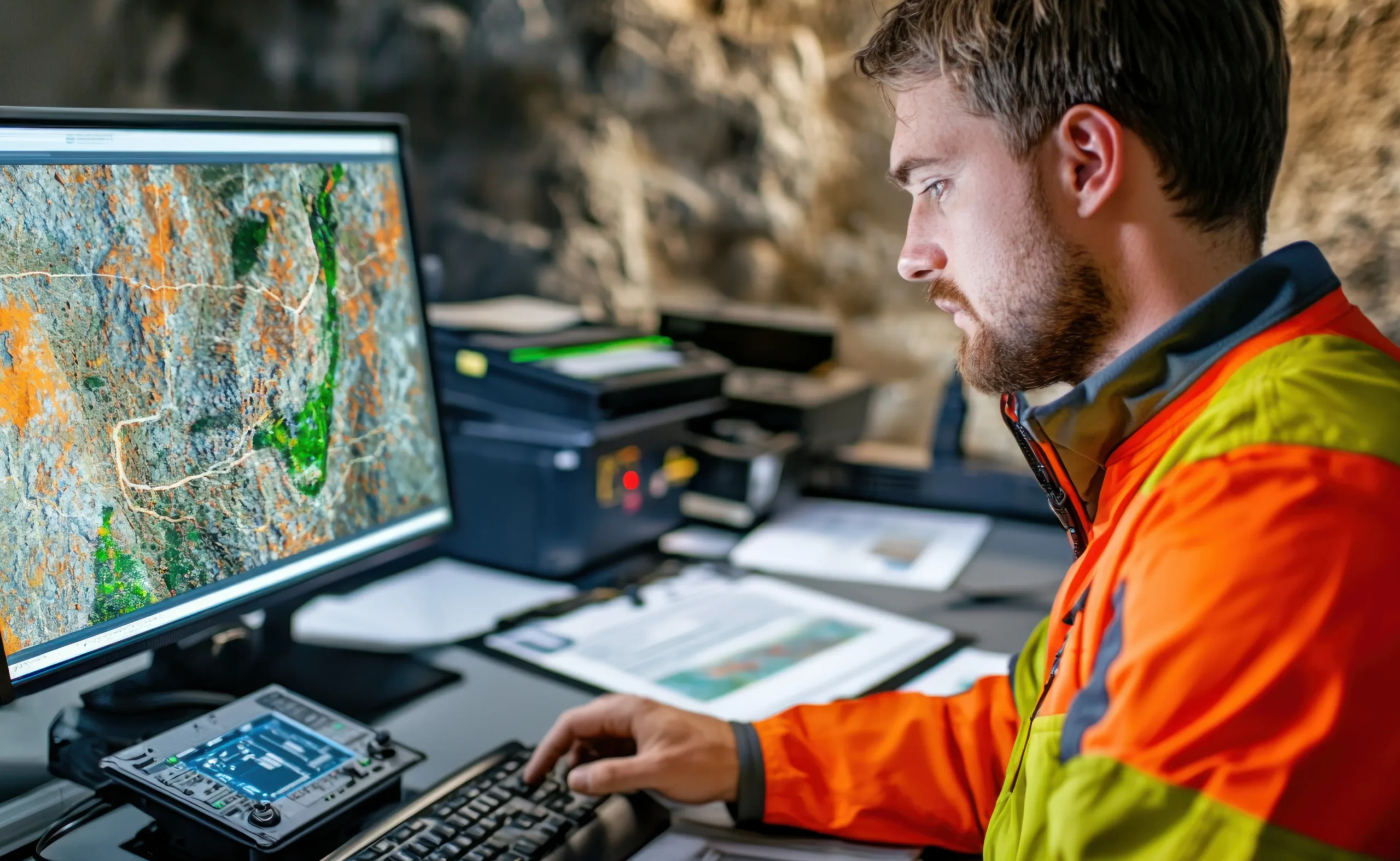
One of the most critical things we look at is drift, displacement, and support overstress. This is where seismic structural check and structural seismic evaluations come in.
We confirm:
For many clients, this is the “peace of mind” moment.
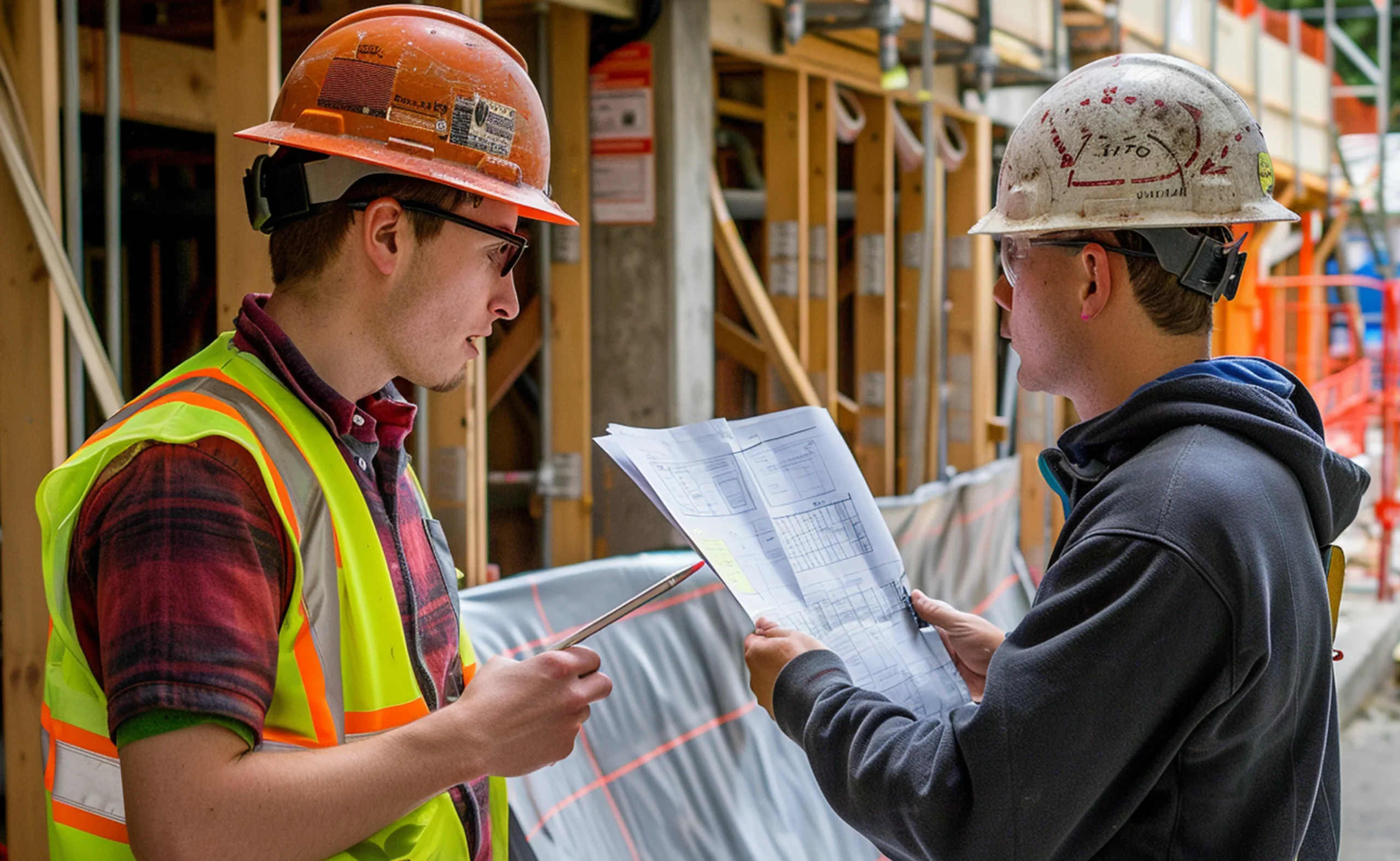
Fluxiss provides seismic load consulting for:
Fluxiss works across borders—USA, UK, UAE, Europe because seismic design codes overlap through global standards.

If you handle systems that must remain safe during earthquakes, this service covers what you actually need—not unnecessary jargon.

It’s fast, code-approved, and accurate enough for most real-world structures and piping networks.
Fluxiss delivers this with clarity and experience—built on what we’ve learned, studied, and seen across multiple industries.
Contact Fluxiss Today
Static seismic analysis replaces complex earthquake motions with equivalent static forces. It’s used because it saves time, meets seismic codes, and gives reliable results. We recommend it for early design, compliance checks, and systems where full dynamic analysis isn’t required.
We calculate seismic loads using ASCE 7 or Eurocode parameters, site hazard data, and component weight. Then we apply those forces in software for structural load assessment. This gives a clear picture of system safety without overcomplicating the process.
Yes. ASCE 7, Eurocode 8, EN 13480, and ASME B31 piping codes all allow equivalent static analysis for many systems. That’s why we use it regularly across the USA, UK, Europe, and UAE for compliance-approved seismic evaluation.
You get seismic load calculation, lateral load analysis, structural load resistance checks, seismic force analysis, static load simulation, stability review, and seismic code analysis. It’s the full package, designed to help you pass audits, reviews, and safety checks smoothly.
We’re proudly serving clients across the USA, UK, UAE, and Europe. From corporate giants to research labs and the shipping industry,