
We spent the last few years watching brilliant engineering teams trip over the same hurdle: they have great tech, but their business strategy development is a mess. They treat the Sustainable Energy Transition like a checkbox exercise rather than a high-stakes chess game.
At Fluxiss, we’ve seen firsthand that a roadmap is useless if it doesn’t account for the “chaos variables”—commodity price swings in London, regulatory shifts in Washington D.C., or supply chain bottlenecks in Dubai. Our research into global energy markets has taught me one thing: the difference between a billion-dollar success and a tax write-off is Strategic Planning, Risk, and Optimization (SPRO).
Via this post, we are sharing how we translate raw feasibility data into actionable corporate strategies that actually survive the real world.
When we sit down with clients for technology roadmap consulting, the conversation usually starts with “what’s the newest tech?” we always push back. It’s not about the newest; it’s about the optimal path for your specific capital allocation strategy.
Leadership isn’t about buying every shiny new electrolyzer. It’s about strategic investment planning. We look at TRL (Technology Readiness Levels) to ensure you aren’t beta-testing unproven tech on your dime. We chart a path that ensures your technological leadership remains profitable through 2030 and beyond.

Through our capacity planning services, we dig into the “unusual” stuff—resource utilization and bottlenecks. In my experience, most plants operate at 15% below their potential because of simple process flaws. We use process optimization consulting to maximize asset throughput and aggressively slash your OPEX.
The U.S. Department of Energy highlights that securing the supply chain is now a core “Strategic Objective” for any robust energy transition.
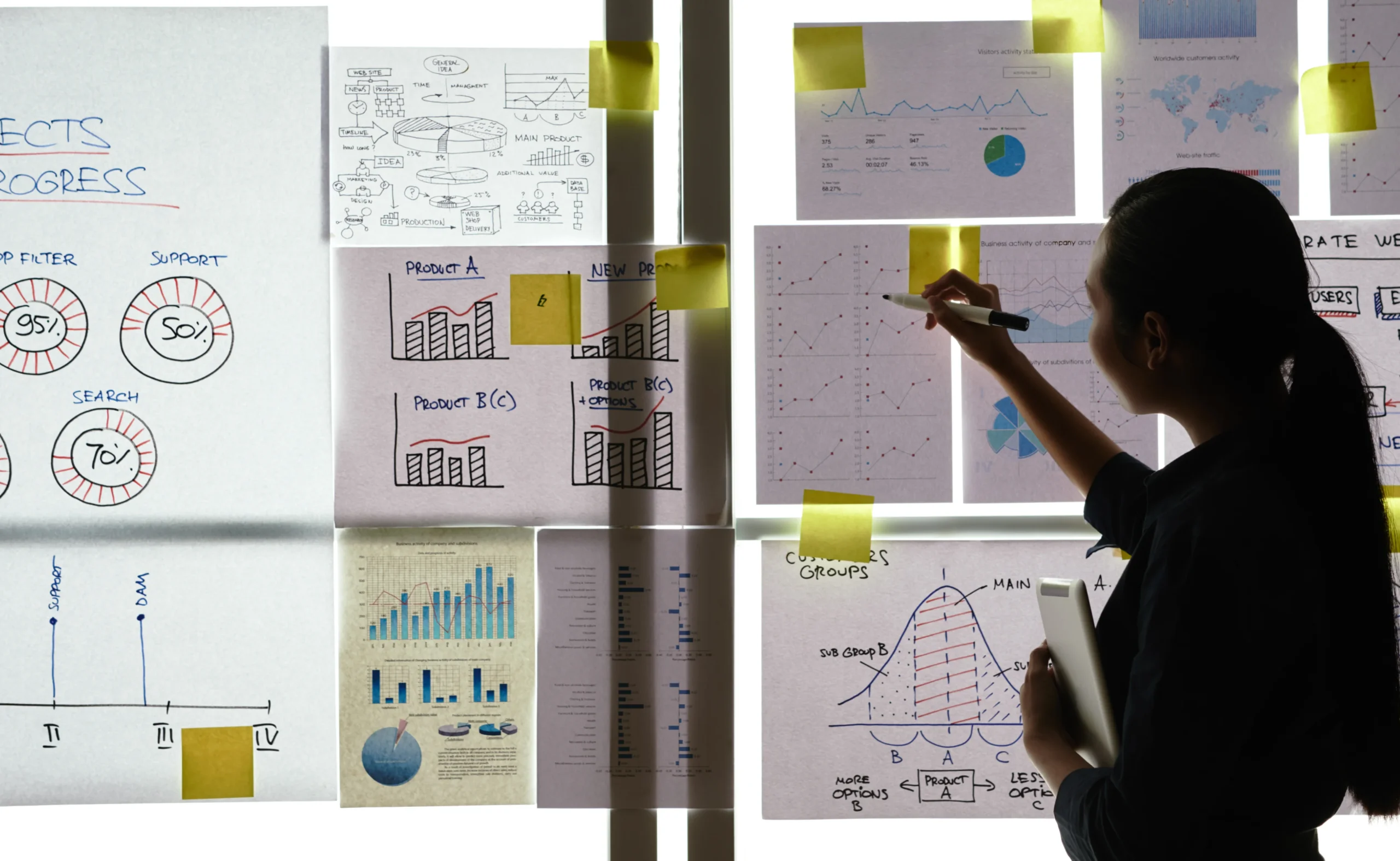
Whether you are eyeing the UAE’s green hydrogen sector or expanding offshore wind in the UK, a “one-size-fits-all” business expansion strategy will fail.
We’ve studied market entries from New York to Abu Dhabi. The winners use strategic forecasting services to nail their time-to-market. We develop market entry strategy consulting frameworks that consider local subsidies, grid readiness, and competitive density. If you enter too early, you burn cash; too late, and the “first-mover” advantage is gone.

This is where our inner math geek comes out. Most firms do a basic project risk assessment and call it a day. That’s dangerous. We use quantitative risk analysis to model what happens when the world goes sideways.
We don’t give clients a single NPV number. Why? Because that number is almost certainly wrong. Instead, we use Monte Carlo simulation consulting.
We run thousands of scenarios to create a probabilistic risk analysis. This gives you a distribution of outcomes for your IRR and NPV. It tells you: “You have an 85% chance of hitting your targets, but a 5% chance of a total wipeout if fuel prices spike.” That is strategic decision support you can actually use.
Using sensitivity analysis consulting, we isolate variables like discount rates or CAPEX. We build “Tornado Diagrams” that show exactly which lever has the most power over your project’s success. It’s about decision risk analysis—knowing which risks to hedge and which to ignore.

The energy transition isn’t just an engineering challenge; it’s a risk management challenge. At Fluxiss, we don’t just build the machines; we build the strategic decision making engines that keep them profitable. From technical risk analysis in the USA to market entry in the UAE, we ensure your transition is optimized, de-risked, and ready for the future.
Ready to de-risk your roadmap?
Contact Fluxiss for Strategic Support
It’s the bridge between "we want to be green" and "here is the 10-year budget." We provide corporate planning services that include technology assessment consulting and long-term business planning. We look at your current assets, simulate future market conditions, and build a step-by-step strategy and planning framework.
We use enterprise risk modeling and investment risk analysis. Instead of static spreadsheets, we employ business performance modeling to see how your portfolio reacts to inflation, interest rates, and commodity volatility. This ensures your capital allocation strategy remains resilient even if the economy takes a dip.
Because the "green premium" is real. To stay competitive, you need operational efficiency improvement. We use asset performance optimization and business process analysis to find waste. By refining your operations strategy consulting approach, we help you lower costs until your sustainable energy is cheaper than the old stuff.
Traditional methods give you a "best guess." Probabilistic risk analysis (like uncertainty modeling) gives you the full picture. It’s the difference between hearing "it might rain" and seeing a weather map. This strategic transformation consulting tool helps boards make bold moves with the confidence that they've accounted for the "known unknowns."
We’re proudly serving clients across the USA, UK, UAE, and Europe. From corporate giants to research labs and the shipping industry,