
We’ve spent a lot of time staring at colorful heat maps, and if there’s one thing we learned, it’s that heat is the silent killer of innovation. Whether looking at a high-performance EV battery pack or a stacked AI processor, the problem is always the same: how do we get the heat out before things start melting?
At Fluxiss, we don’t just run “software”; we solve the puzzle of energy movement. From the bustling tech hubs of San Francisco and London to the industrial zones of Dubai and Berlin, our engineering teams take their prototypes from “overheating nightmare” to “cool-running reality” using advanced thermal management simulation.
When we first started in this field, people relied on physical prototypes and a “guess-and-check” method. It was expensive and, honestly, a bit slow. Today, heat transfer CFD analysis lets us look inside a sealed enclosure while it’s “running” in a virtual wind tunnel.
By simulating forced convection and natural convection, we can predict exactly where a hot spot will form before a single part is manufactured. It’s about more than just staying under a temperature limit; it’s about thermal efficiency optimization. Every degree we shave off extends the life of your product.

If you’ve ever wondered how a cold fluid cools a hot solid wall, you’re thinking about conjugate heat transfer analysis. We use CHT simulation to model the simultaneous heat flow through both the liquid and the solid metal. This is huge for engine cooling simulation and radiator performance modeling, where the interaction between the coolant and the engine block is everything.

Electronics are getting smaller, but the power they draw is skyrocketing. We’ve seen chips in New York data centers that produce more heat per square inch than a rocket nozzle!
Our electronics cooling simulation services focus on:
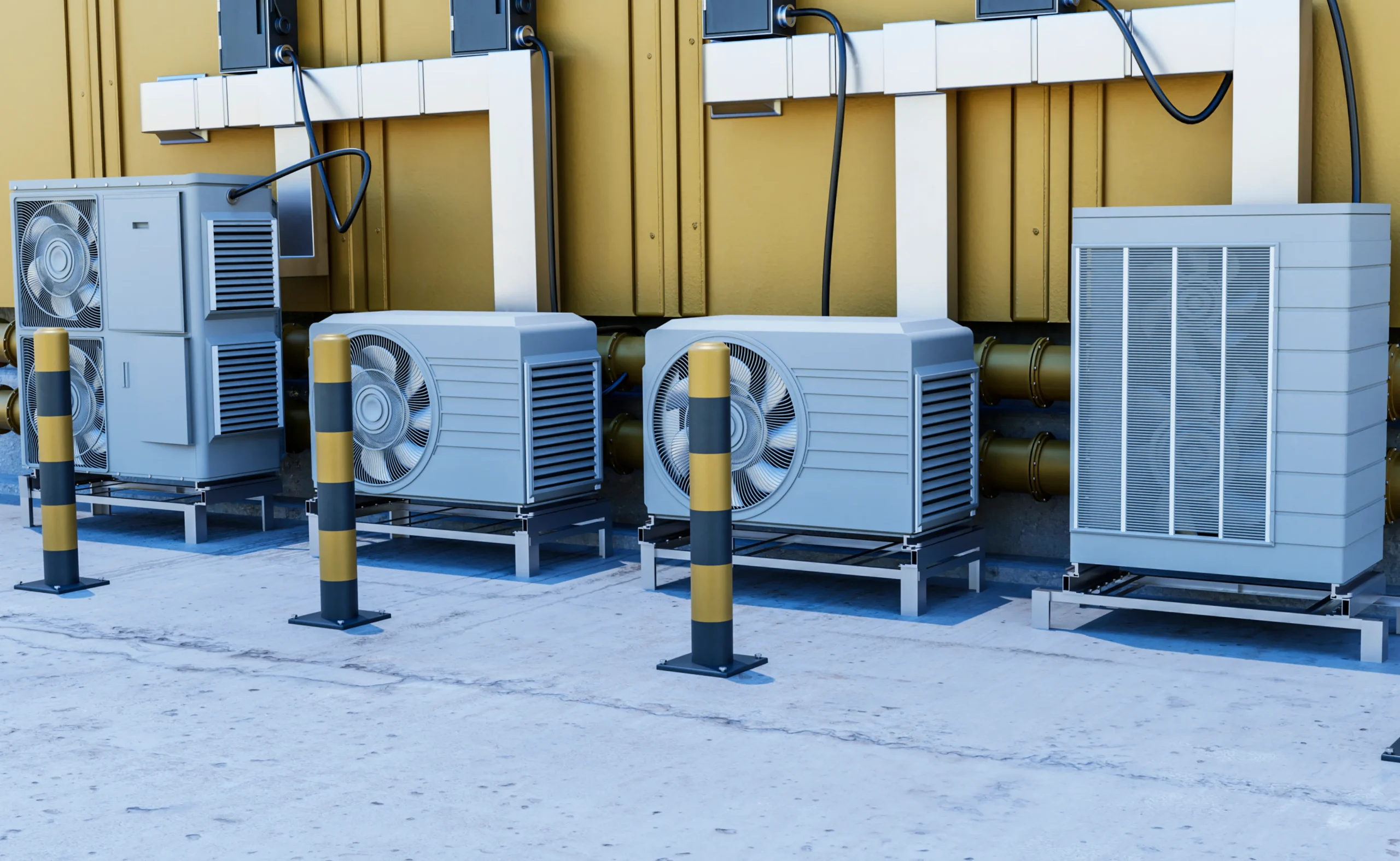
It’s not just about chips and engines. We spend a lot of time on process piping CFD, especially for industrial clients in the UK and UAE. If your fluid isn’t moving right, your heat isn’t moving right.
Nothing kills energy efficiency like a poorly designed duct. We perform pipe pressure drop calculations and head loss calculation CFD to ensure your pumps and fans aren’t working harder than they have to. By running a duct pressure loss analysis, we’ve helped plants reduce their energy bills by simply smoothing out a few turbulent corners.
Sometimes you’re dealing with more than just water. Whether it’s bubbles in a reactor or oil-and-gas mixtures, multiphase flow simulation and mixing flow simulation are critical. We study thermal fluid behavior to ensure that your “mix” is uniform and your heat dissipation is predictable.

Following the 2026 trends closely, and battery thermal management is the biggest frontier right now. We aren’t just cooling batteries anymore; we’re managing their “health.” Using transient heat transfer analysis, we can simulate a “fast-charge” cycle to see how the cells react over time.
Similarly, in HVAC thermal CFD analysis, the focus has shifted to thermal comfort and energy loss assessment. Whether it’s an office in Chicago or a mall in Abu Dhabi, we model the temperature distribution analysis to ensure every corner stays comfortable without wasting a kilowatt.

When you work with us at Fluxiss, you’re getting more than a report. You’re getting CFD thermal consulting backed by:
Ready to cool down your next project?
Contact Fluxiss for a Thermal Audit
By using overheating prevention analysis, we can identify "junction temperatures" that exceed safety limits. We model the heat dissipation from the silicon through the board, allowing us to test different heat sinks or fans virtually. This ensures the hardware survives the "worst-case" thermal load before you hit mass production.
Conjugate heat transfer analysis is essential when the temperature of the solid (like a pipe or a heat sink) significantly affects the fluid flow. Instead of guessing the wall temperature, CHT calculates it. This leads to much higher accuracy in heat exchanger CFD analysis and industrial cooling system design.
Absolutely. Through head loss calculation CFD and energy loss analysis, we can see exactly where turbulence is "stealing" pressure. By optimizing the flow, we reduce the required pump power. It’s a direct way to improve your thermal efficiency optimization and lower operational overhead.
While steady-state thermal simulation is great for constant loads, most things—like EV batteries or AI servers—operate in "bursts." Transient heat transfer analysis tracks temperature changes over time, which is critical for thermal safety assessment and preventing failures during peak usage cycles.
We’re proudly serving clients across the USA, UK, UAE, and Europe. From corporate giants to research labs and the shipping industry,