


Do Engineers Still Need Manual Calculations in 2026
Sitting in a design review last year for a high-rise project in London. The lead engineer, a veteran with thirty years of experience, looked at a beautifully rendered 3D stress model and asked one simple question: “Why is that beam only 200mm deep?” The software said it was fine. The FEA simulation was green across the board. But his gut—honed by years of engineering calculations performed on yellow legal pads—knew the math didn’t add up.
He was right. A decimal point had been misplaced in the software’s load input.
This discussion continues into or even beyond 2026, in the boardrooms of New York and Chicago, and even in technical centres such as Dubai and Manchester. Now that we have AI and ultra-fast simulation tools at our fingertips do we really need to pick up a pencil? At Fluxiss, where we spent months investigating our technical processes, the answer is not as simple as yes, your license depends on it.
The “Black Box” Trap: Why Software Can’t Replace Your Brain
We’ve all been there. You plug your coordinates into a program, hit “Analyze,” and wait for the magic. But in 2026, the industry is seeing a massive pushback against the “black box” syndrome. Engineering analysis methods are only as good as the human setting the boundary conditions.
A report from the IStructE (Institution of Structural Engineers) highlighted that 2026 updates to the Eurocodes and UK National Annexes are doubling down on “Engineering Judgment.” Basically, if you can’t prove why a building stands up using basic engineering formulas, you shouldn’t be designing it. Software is a calculator, but the engineer is the logic.
Calculation vs Simulation Engineering: The Reality Check
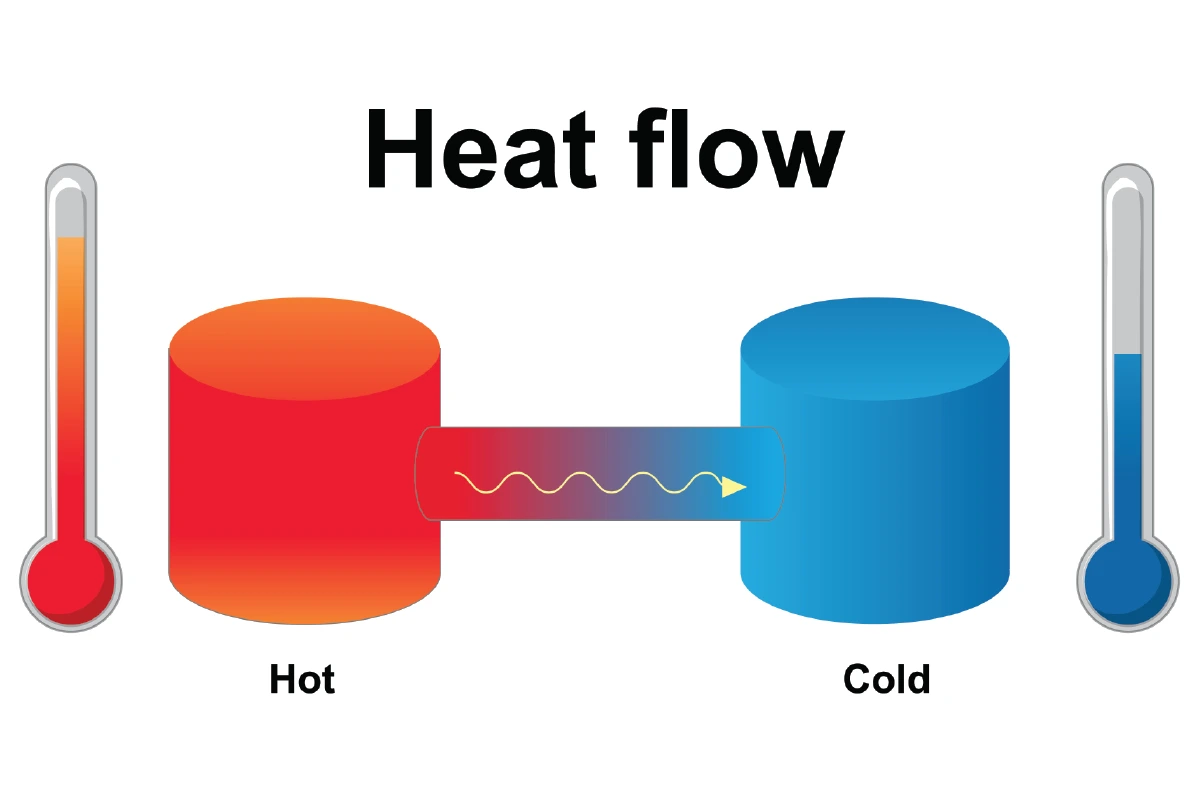
Calculation vs simulation engineering isn’t a competition; it’s a partnership. A simulation tells you what happens to a complex 3D shape under a thousand different loads. A manual engineering calculation tells you if that simulation is even in the right ballpark.
- Simulation: Tells you the exact stress at a specific weld in a pipe stress calculation.
- Manual Math: Tells you that the pipe is going to expand 4 inches and hit a wall before the simulation even finishes loading.
Structural Calculations Engineering: The 10% Rule in 2026
When we talk about structural calculations engineering in cities like New York or Karachi, the stakes are literally life and death. As per the recent 2026 updates to ASCE 7-22 and the UK Eurocodes, and they both emphasize design verification.
You see, simulation tools are great at finding the most efficient way to use steel, but they don’t always account for “constructability”—basically, can a human actually weld that joint? By using engineering formulas manually, we can feel the weight of the loads. It builds a mental map of how a building stands up. If you only use software, you lose that “gut feeling” that tells you something is wrong before it even leaves the drafting phase.
Pipe Stress Calculations: Preventing Disasters in 2026
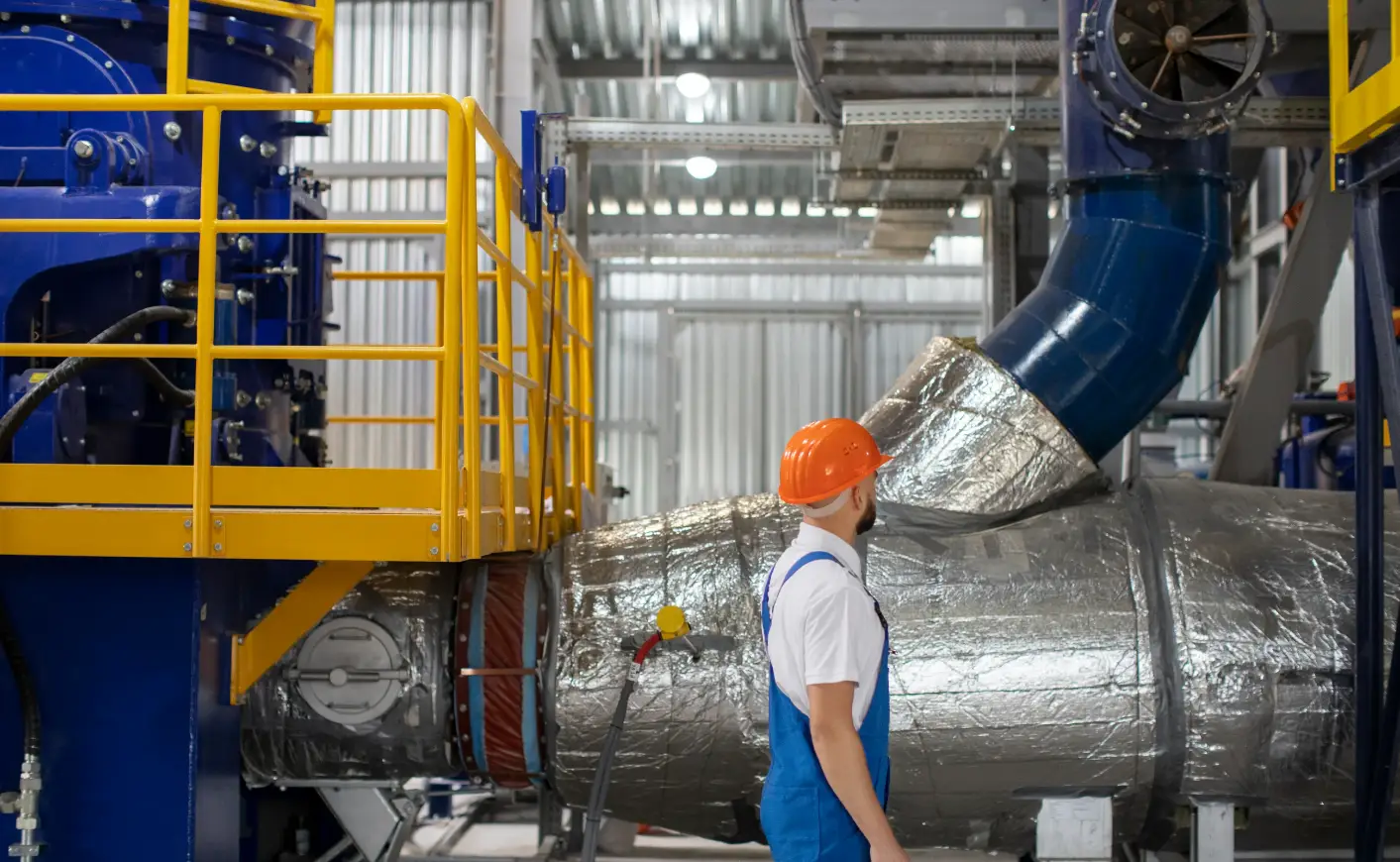
If you’re in the oil and gas or energy sector—especially if you’re looking at projects in the UAE or the UK—you know that pipe stress calculations are high-stakes.
Engineers rely solely on simulation tools and forget to check simple thermal expansion. According to ASME B31.3 (2026 Edition), the manual “Guided Cantilever” method is still a primary tool for determining if a piping system is flexible enough. At Fluxiss, we use these manual vs software calculations engineering comparisons to ensure that high-pressure lines in refineries don’t burst due to a software glitch or a bad constraint input.
Engineering Problem Solving: Is 2026 the End of the Pencil?
We don’t think we’ll ever stop using hand calculations. Why? Because engineering problem-solving happens in the “sketch” phase. When talking to a client in San Francisco or Washington, D.C., we can’t open a heavy FEA program to tell them if a concept works. We need to be able to do the math right there on a napkin.
Analysis accuracy isn’t about more decimals; it’s about fewer mistakes. Manual calculations methods force you to look at the load path. You have to physically track how a force moves from the roof, through the beams, into the columns, and down to the soil. Software often hides this path from you.
The Human Element at Fluxiss
Engineering calculations are the language of trust. Whether we are designing in London, Karachi, or New York, the software provides the speed, but the manual math provides the certainty.
Since in 2026 the most powerful device in the toolbox of an engineer will not be a liquid-cooled supercomputer, it will be the skill to figure out when said supercomputer is misled.
Ready to build something that actually stands the test of time?
In case you are seeking an engineering partner who values accuracy of analysis and design that is human checked to take care of your upcoming project in USA, the United Kingdom or the UAE, then let’s chat.
Frequently Asked Questions (FAQs)
Yes, absolutely. While codes like ASCE 7-22 and AISC 360-22 allow for computer-aided design, they strictly mandate design verification. This means an engineer must be able to prove the software's results via independent engineering calculations to ensure life safety and analysis accuracy during official audits.
It’s unlikely at top firms. In 2026, recruiters at companies like Fluxiss look for "engineering intuition." You must demonstrate a mastery of engineering formulas and hand calculations. If you can’t verify a structural calculation manually, you are considered a high-risk hire who might overlook a critical failure.
Calculation vs simulation engineering differences usually stem from "assumptions." Manual math simplifies reality to ensure safety (conservative approach), while simulation tools model complex interactions. If your pipe stress calculations don't align, it’s usually because the software is modeling a "perfect" world that doesn't exist on-site.
Focus on the fundamentals: tributary area loading, moment distribution, and basic statics. In 2026, these engineering analysis methods remain the gold standard for design verification. Mastering these allows you to spot errors in complex FEA models in seconds, saving time and potentially lives on-site.