Fluxiss Seismic Analysis Now Set Out as Five Defined Scopes, From Equivalent Static Checks to Retrofit and Bracing Design
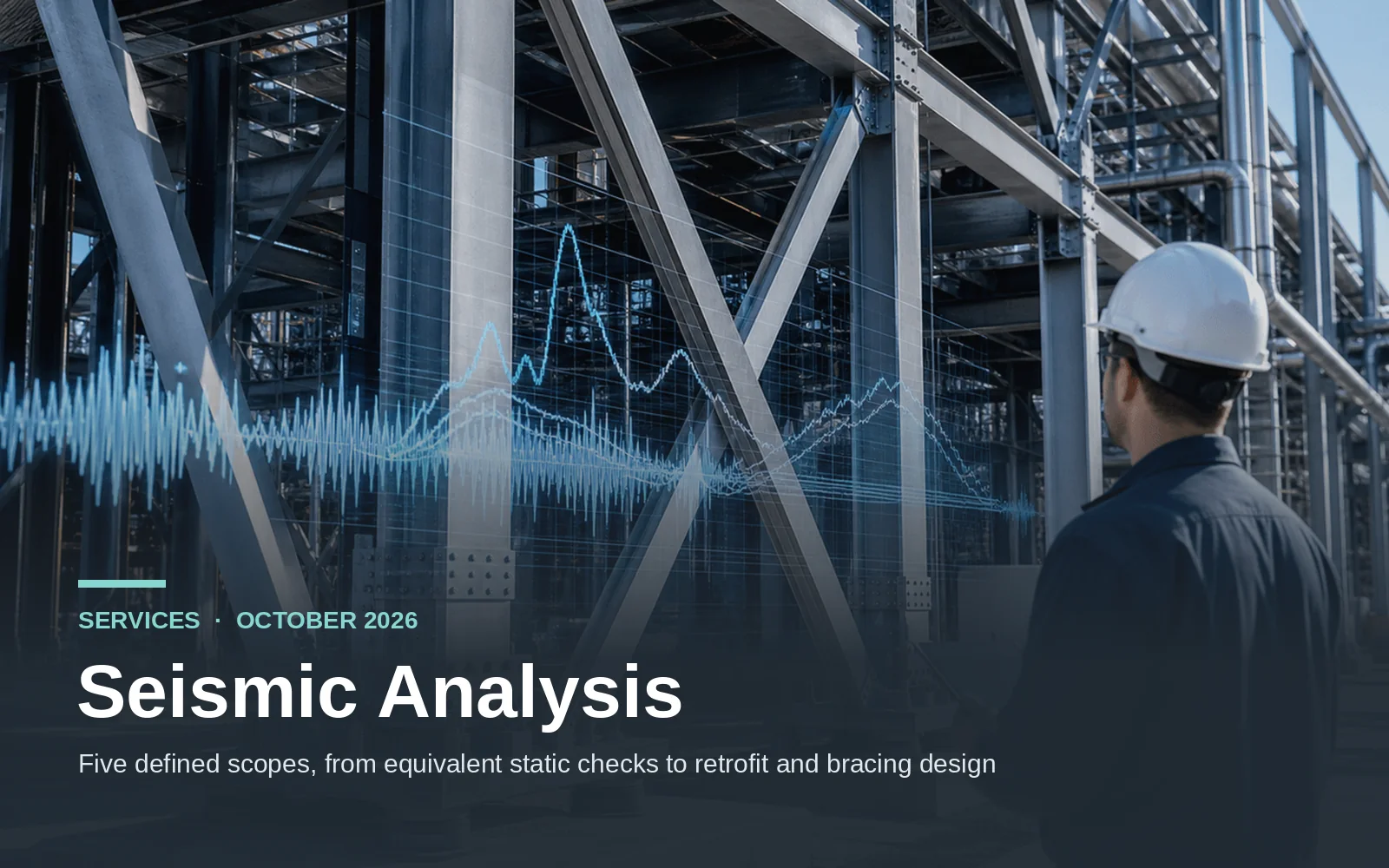
Fluxiss has set out its seismic analysis service on fluxiss.com as five defined scopes, each with its own page, so plant owners, EPC contractors and design engineers can match an earthquake engineering question to the right method before a proposal is written. The service covers structures, equipment and pipelines, is referenced to ASCE 7 and IBC, and is aimed at the facilities where a seismic event carries the highest consequence: oil and gas plants, power and nuclear plants, chemical plants and long pipeline networks.
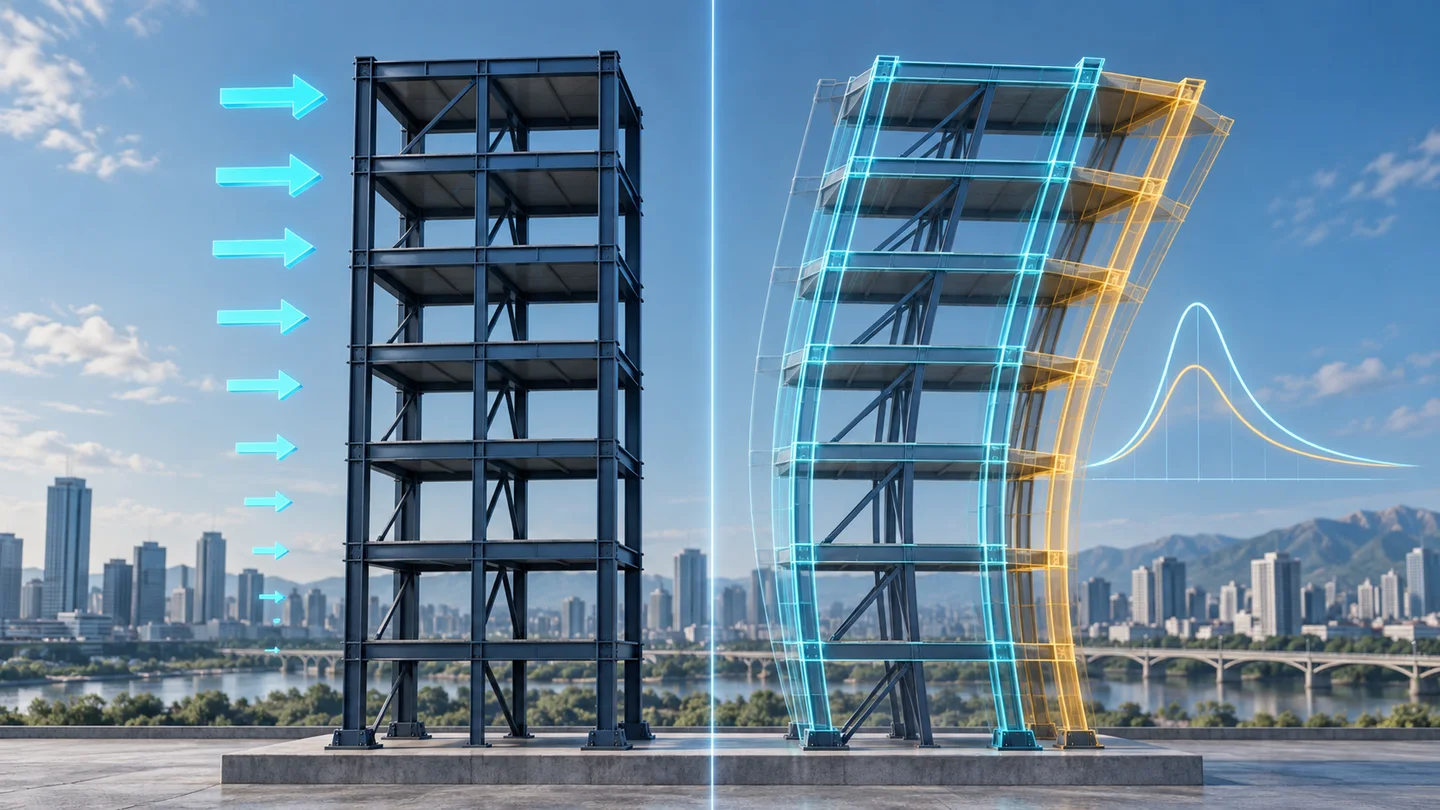
The first three scopes are the analysis methods themselves, in rising order of detail. Static seismic analysis uses the equivalent lateral force procedure: site parameters and component weights are turned into a base shear, the force is distributed through the structure or piping system, and stability and load path are checked against the code. Response spectrum analysis is the step up for systems whose dynamic behaviour matters. Natural frequencies and mode shapes are calculated first, and the spectrum is then used to estimate peak acceleration, velocity and displacement in each mode. Time history analysis applies ground motion records to the model and follows the response step by step in time, in linear or nonlinear form, and is the method used for critical facilities and for projects assessed against ASCE 7-22, Eurocode 8 or BS EN 1998.
“Owners, EPC contractors and engineers can now scope earthquake engineering work on fluxiss.com against five defined pages - static seismic analysis, response spectrum analysis, time history analysis, seismic retrofitting and support and brace design - each explaining the method, when it applies and what is delivered.”
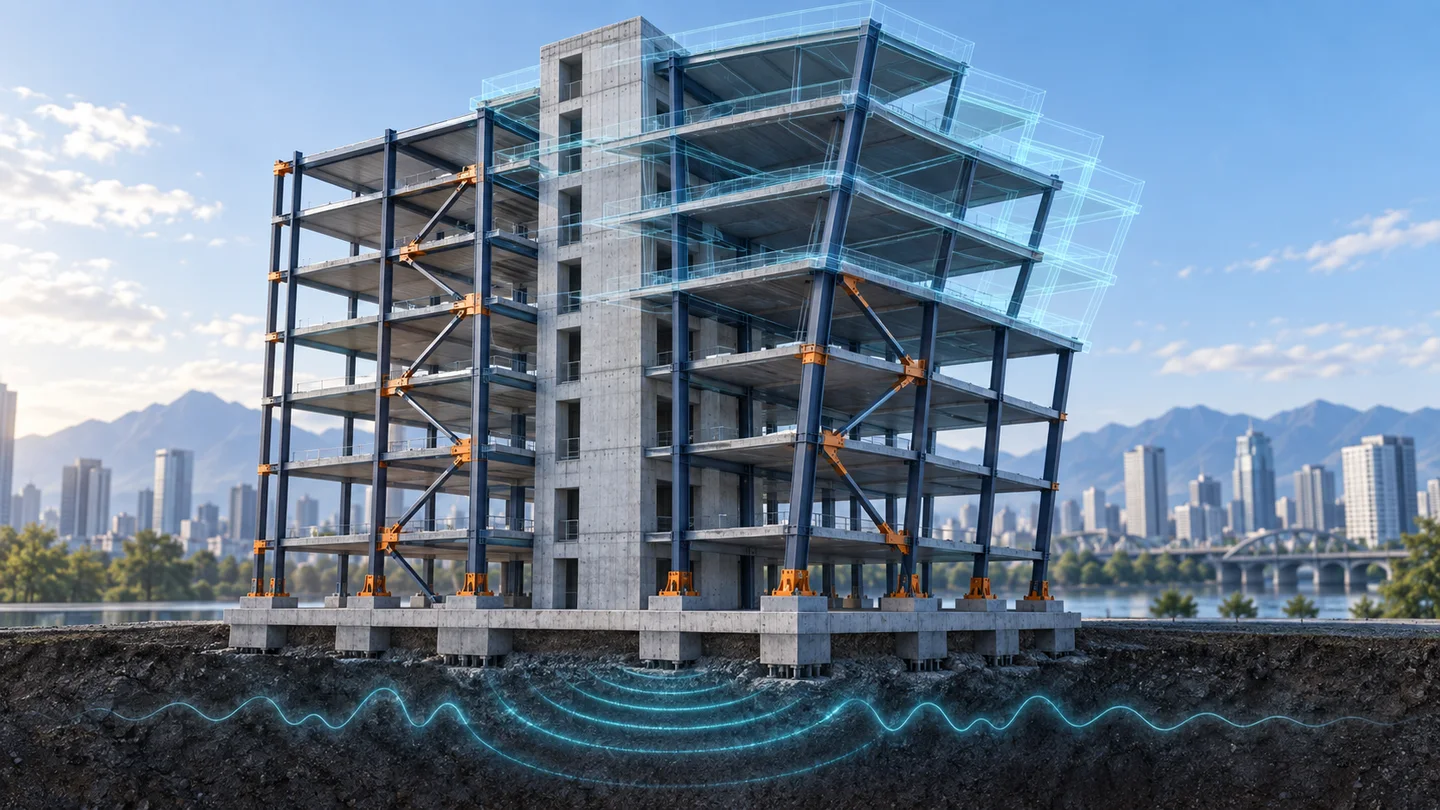
The other two scopes deal with what the analysis leads to. Seismic retrofitting starts with a structural analysis of the existing building or plant structure, identifies where the load path falls short of current expectations under documents such as ASCE 41 and ASCE 7-22, and develops a strengthening scheme that can be built without replacing the structure. Support and brace design covers the components that tend to fail first in an earthquake: pipe restraints, duct and cable tray bracing, and the anchoring of mechanical and electrical equipment. Alongside the five pages, the service scope also lists seismic qualification of mechanical and electrical equipment and seismic load path and anchor movement analysis for pipelines.
Every engagement follows the same five steps published on the service page: inputs, model, analyze, review and deliver. Standard deliverables are a seismic analysis report, a calculation package, base shear and drift summaries, load combination tables, the 3D model files and a compliance summary. Models are built in STAAD.Pro and ANSYS, with CAESAR II used where piping is part of the scope and SAP2000 for structural work, and the typical turnaround is 7 to 14 business days depending on scope.
The work is delivered for projects in the USA, UK, Europe and UAE, and the split into separate pages reflects how the questions arrive in practice. A new pipe rack in a moderate seismic zone may need nothing more than an equivalent static check. An irregular structure or a system with significant higher-mode response is a response spectrum problem. A critical facility with site-specific ground motions calls for time history analysis, and an older structure under a revised code is a retrofit assessment before it is anything else. Setting the scope correctly at the start avoids paying for a more complex method than the code requires, or finding out late that a simpler one was not enough.
Supporting material sits alongside the service pages. The seismic analysis topic hub collects practical guides on choosing between equivalent static and response spectrum methods, common seismic analysis mistakes, when time history analysis is required, how earthquake loads affect piping systems, seismic qualification of industrial equipment, seismic restraint design for MEP and piping systems and retrofitting aging pipe racks. For engineers running their own code checks, the products store carries the Seismic Analysis Master Workbook (ASCE 7), which covers site mapping, response spectrum, drift, load combinations and irregularity checks. Teams who would like a scope review can start from the Seismic Analysis page, write to inquiries@fluxiss.com or book a meeting with the team.
Fluxiss Team contributes services insights to the Fluxiss content library.
Related articles.

Let's Build Something Great Together.
Partner with Fluxiss for engineering that holds up - under pressure, under load, under scrutiny.