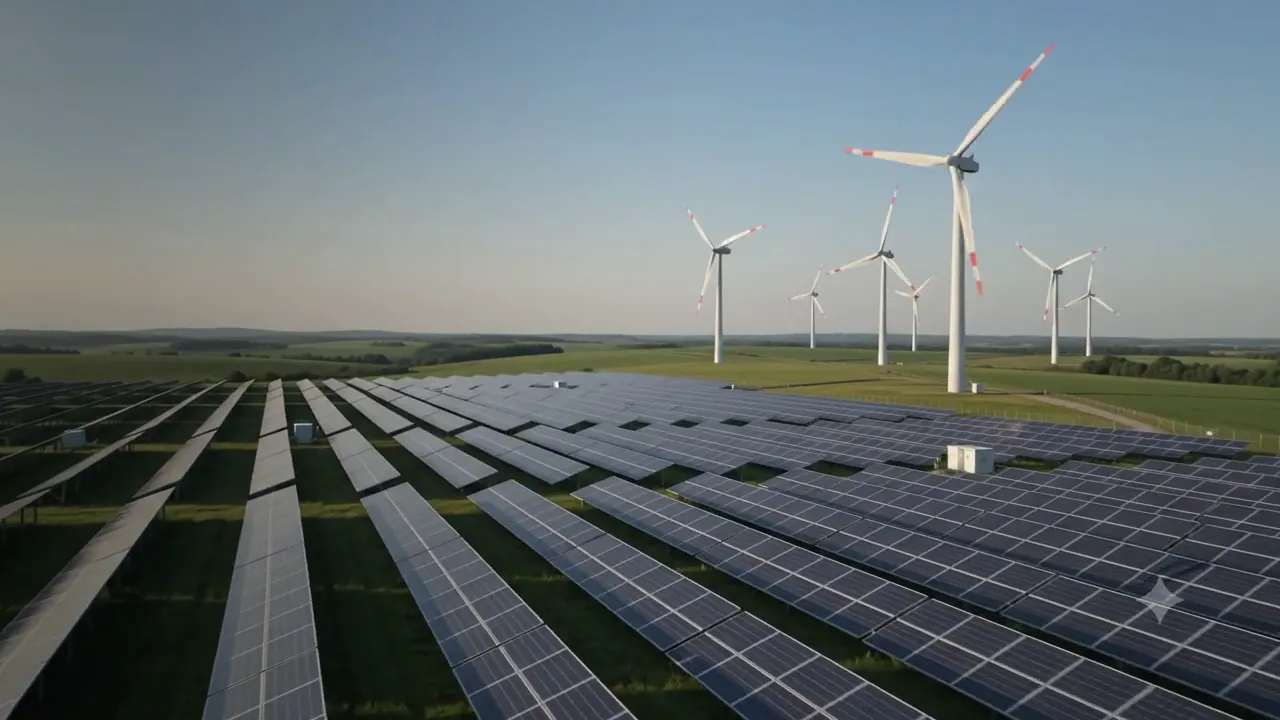
Feasibility & Technical Due Diligence
Bankable solar PV, wind, BESS and hybrid feasibility studies with independent P50/P90/P99 energy yield assessments and Power-to-X screening.
Every bankable renewable project starts with numbers a lender can trust. Fluxiss delivers independent feasibility and technical due diligence for solar, wind, storage, and hybrid projects in the USA, UK, UAE, and Europe - built to withstand investment-committee scrutiny.
What We Cover
- NREL SAM modelling for solar PV feasibility - site screening, yield simulation, and loss-tree analysis for rooftop, C&I, and utility-scale plants.
- Wind Resource & Independent Energy Yield Assessment (P50/P90/P99) - measurement campaign review, long-term correlation, and uncertainty analysis.
- BESS Feasibility & Sizing - use-case definition, dispatch modelling, and capacity sizing for standalone or co-located storage.
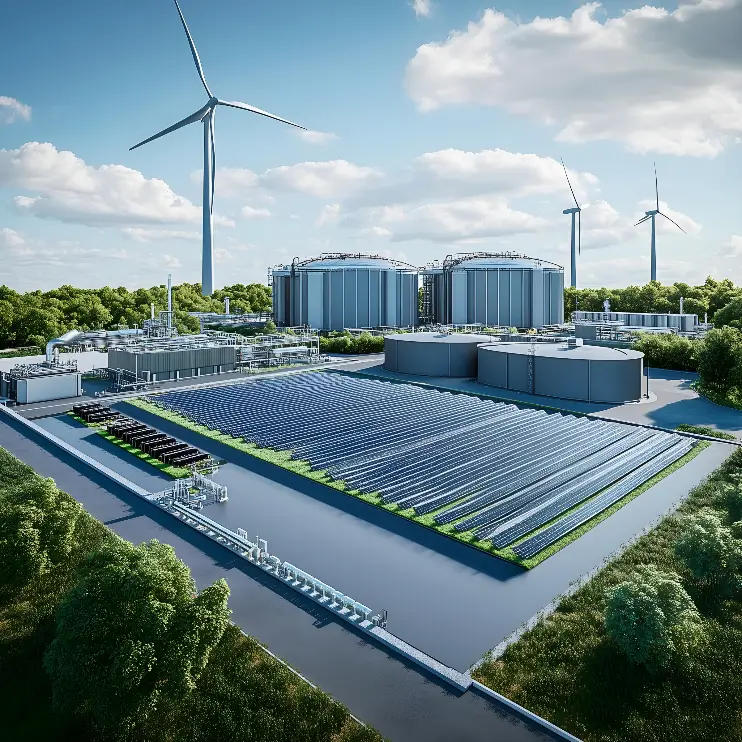
- Hybrid System Design (Solar + Wind + BESS) - complementarity analysis and combined dispatch optimisation.
- Power-to-X Feasibility - Power-to-Mobility, Power-to-Heat, and green hydrogen production screening.
Each study closes with a clear go / no-go recommendation and the technical inputs your financial model needs. Discuss your project with our advisory team.
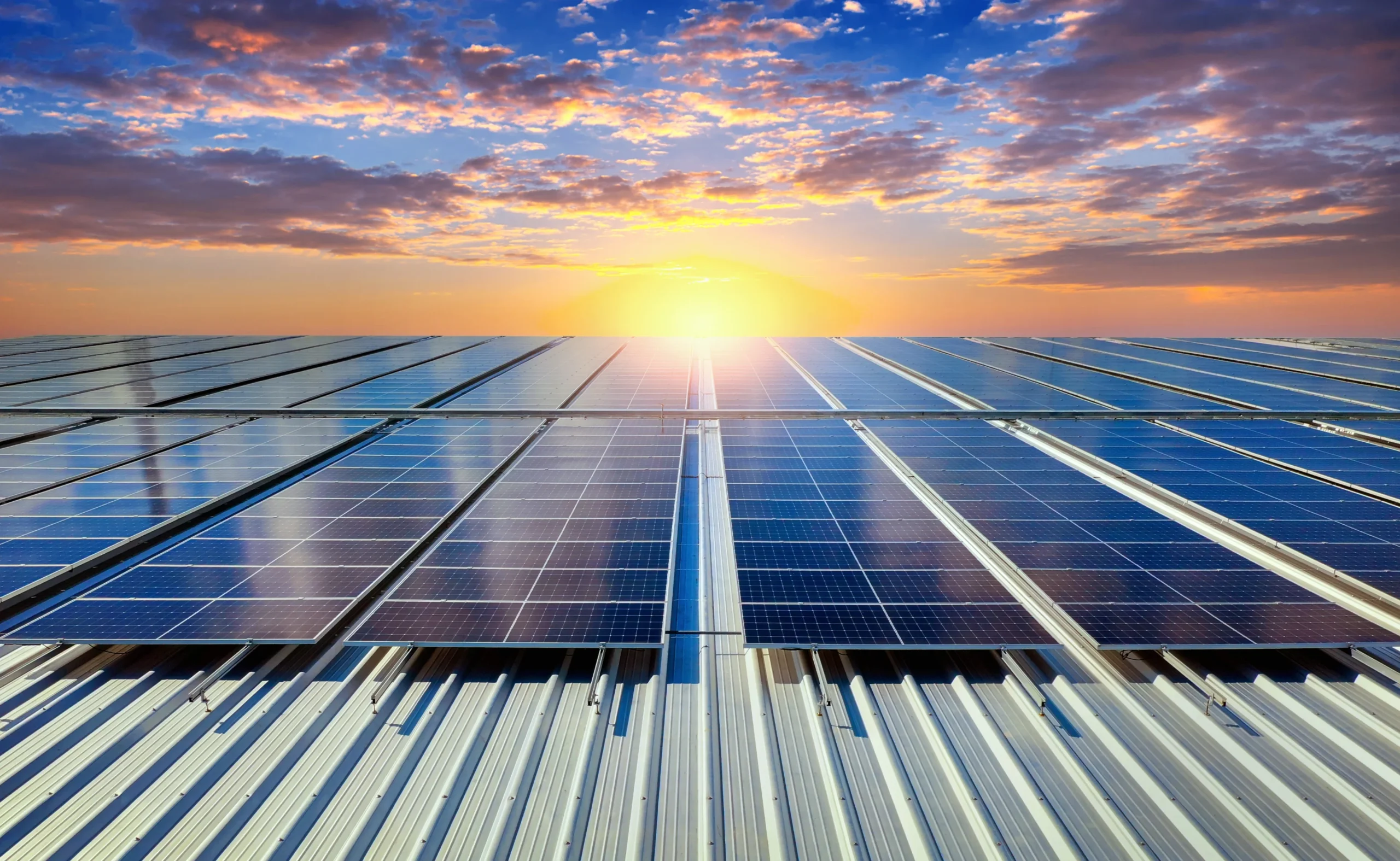
Solar PV Feasibility Studies (NREL SAM)
Thinking about going solar but not sure where to start? At Fluxiss, our solar feasibility and cost analysis service helps you figure out if your solar photovoltaic (PV) project truly makes sense technically, financially, and structurally. We break it down into real numbers, not guesses.
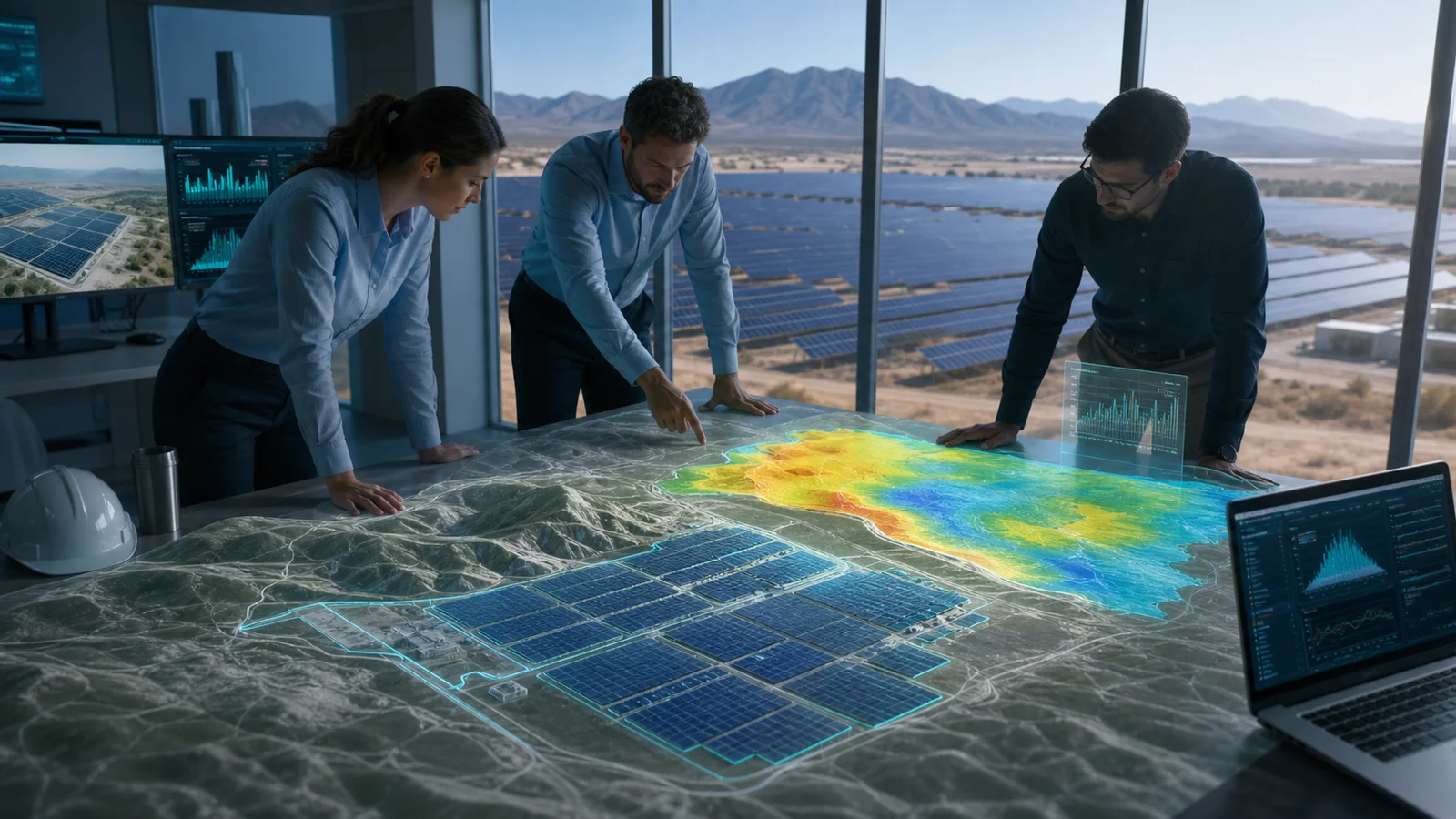
Why Solar Feasibility Studies Matter
Before you even put the first panel in place, you must understand whether your location, energy consumption, and budget can provide value. It is at that point that a solar feasibility study comes in.
Our engineers analyze the technical and financial components of your solar project to answer one question: Is it worth it? We consider your location’s exposure to sunlight and the time it takes your investment to pay off.
Step One: The Solar Site Survey
A solar project begins with a solar site survey. Our team inspects your site for:
- Roof or land condition (load, structure, and integrity).
- Shading analysis and solar access.
- Electrical system setup and grid-tie feasibility.
- Available space for panels and future expansion.
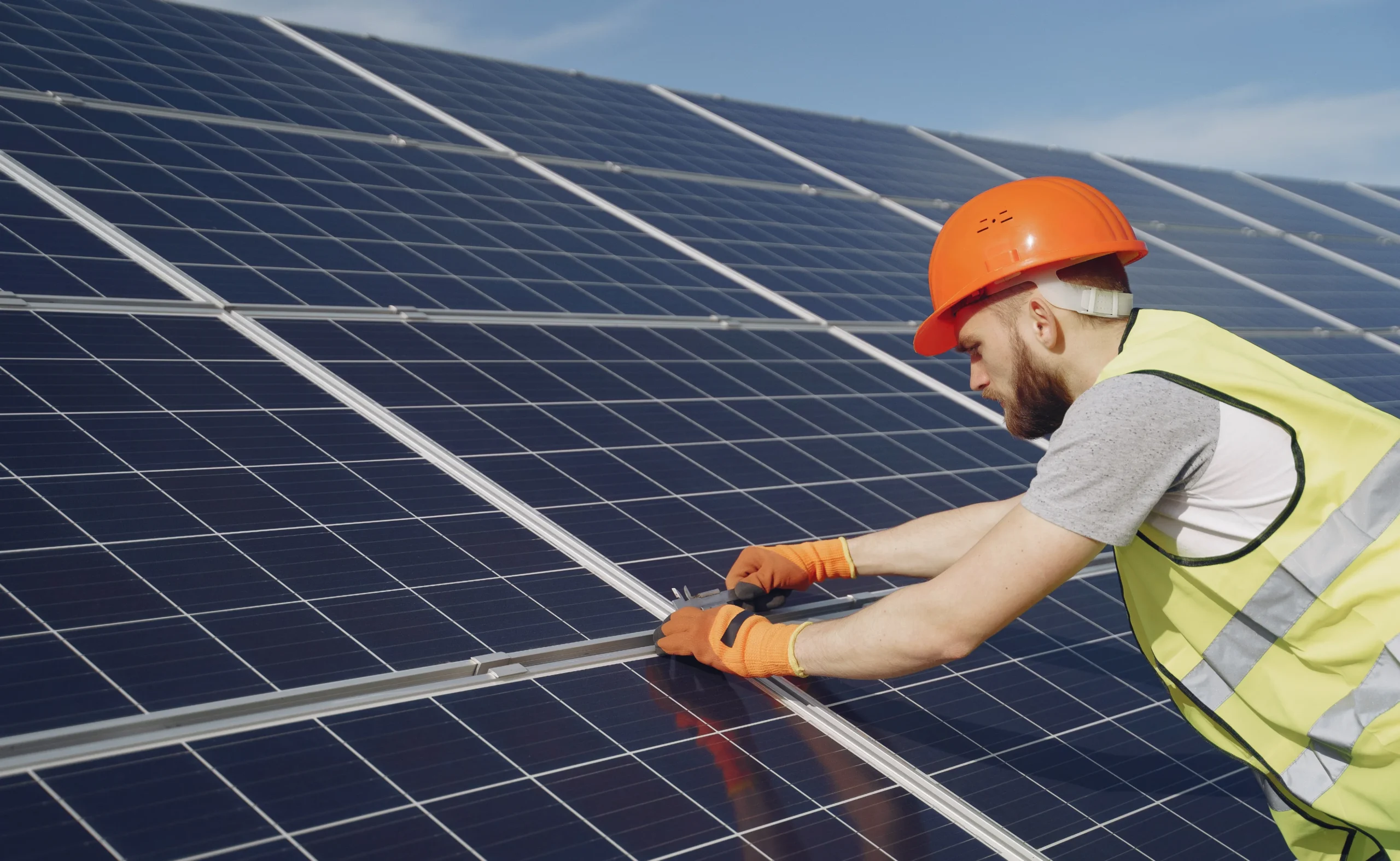
For rooftop systems, we conduct a solar roof assessment to check the slope, material, and safety. For larger or land-based solar projects, we evaluate soil type, rise, and installability.
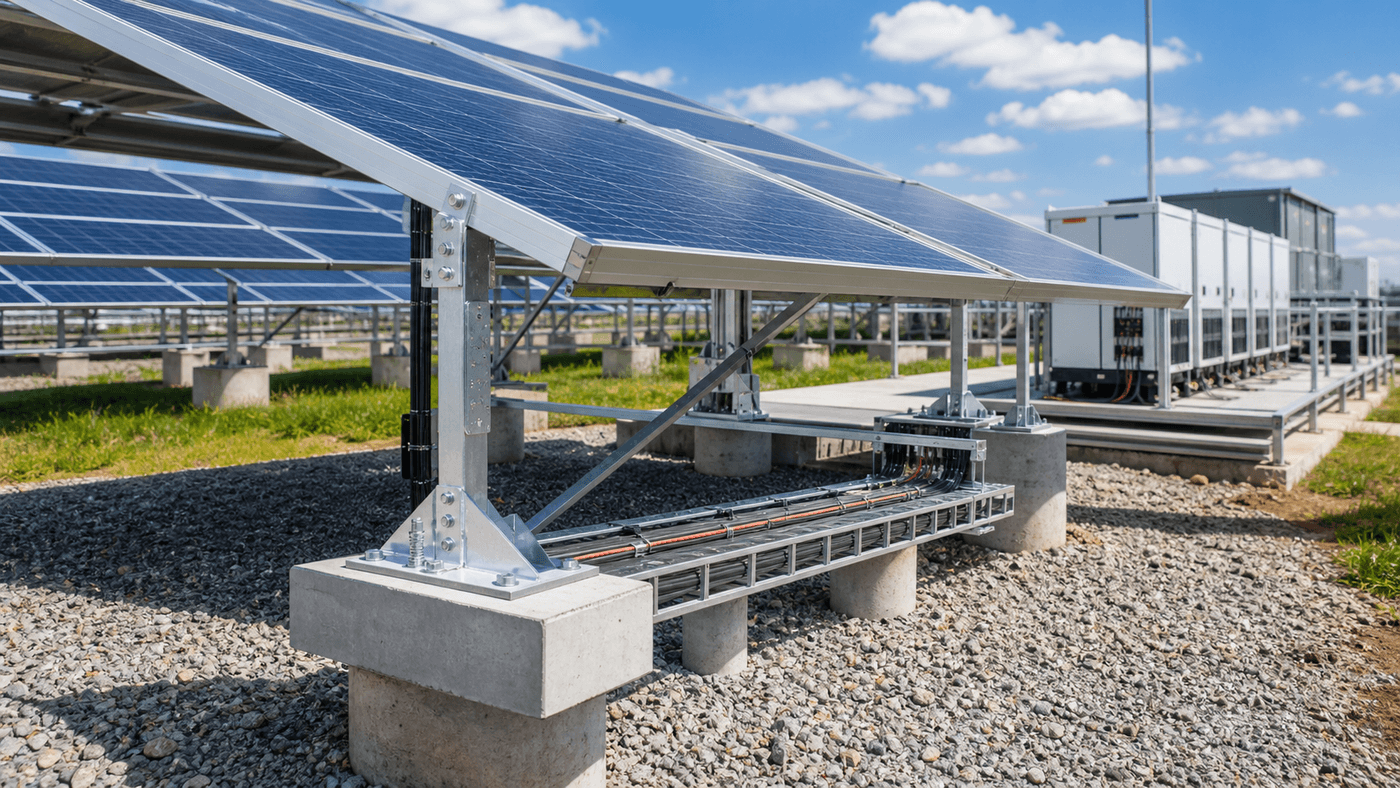
Step Two: Energy Consumption Analysis
Next, we conduct a solar energy consumption analysis to size your system properly. We review how much electricity your building uses on an hourly, daily, and monthly basis to determine how much solar energy you can realistically produce or sell.
Here’s what we cover:
- Electricity demand pattern and load analysis.
- Peak usage hours.
- Annual energy baseline.
- Solar PV sizing based on real consumption.
Both a commercial energy usage audit and a residential solar energy evaluation aim to match system output to your actual needs.
Step Three: ROI and Cost Analysis — The Money Talk
After the site and energy data are prepared, we reach the section everyone is interested in: the return on investment (ROI).
Our solar cost analysis includes:
- Total installation cost (modules, inverters, mounting, wiring, and permits).
- Maintenance and operating cost estimates.
- Annual savings and export revenue.
- Breakeven point and solar payback period.
- Long-term profit and cash-flow analysis.
This is where real-world economics enters the solar project cost analysis. We give you a straightforward answer on whether your solar investment will be economically viable.
Other Factors We Include in Solar Feasibility & Cost Assessment
Our solar feasibility report also covers:
- Photovoltaic design and system layout.
- Utility grid-tie study and grid connection requirements.
- Environmental and permitting review.
- Risk and price-sensitivity analysis.
- Budget and project schedule forecast.
We provide a clear picture of solar installation costs and solar financial modelling so you can make an informed decision.
Fluxiss: Engineering Solar Decisions, Not Just Designs
Fluxiss is a US-based engineering company that does more than draw system layouts. We take solar project feasibility further to help you design sustainable, code-compliant, and cost-effective PV systems.
Whether you are planning a commercial rooftop installation, a land-based solar farm, or a grid-tied system, our engineers make sure your move is smart from day one.
Contact Fluxiss to schedule your solar feasibility and cost analysis and find out if solar is the right move for your business or facility. Schedule Your Solar Feasibility Consultation
Conclusion: Smart Solar Starts with Feasibility
Going solar without a solar feasibility and cost analysis is like building a house without a foundation. At Fluxiss, we make sure your solar plan stands strong—technically sound, financially solid, and ready to perform for decades.
Questions, answered.
It covers site survey, solar resource checks, energy consumption analysis, system sizing, cost estimation, and ROI calculation. It helps you determine whether a solar project is technically and financially viable.
Let's Build Something Great Together.
Partner with Fluxiss for engineering that holds up - under pressure, under load, under scrutiny.