
When we talk about building modern infrastructure, pipelines always come first. From oil and gas to water and even hydrogen, they keep industries and cities alive. But without sustainable pipe stress analysis, many of these pipelines would crack under load or fail much earlier than expected.
This approach is not just about doing calculations — it’s about designing infrastructure that is safe, durable, and environmentally sound. In the USA, engineering firms like Fluxiss are using advanced software, sensors, and digital twins to make pipelines more reliable. That’s why sustainable pipe stress analysis has become the backbone of safe & green infrastructure today.
Let’s be practical — why should industries even care? Because without it, we risk costly repairs, environmental damage, and unsafe systems. With sustainable pipe stress analysis, firms achieve:
A recent study showed how combining stress analysis with digital twins helps firms cut unplanned downtime and reduce ecological damage.
Pipelines face multiple forces: internal pressure, vibration, soil shifts, and temperature changes. This is where stress simulation in pipelines comes in. Engineers test these loads virtually to prevent future disasters.
Temperature swings cause pipes to expand and contract. If this isn’t analysed properly, it can cause weld failures or cracks. By modelling thermal loads environmental performance, engineers design flexibility into the pipeline — through loops, expansion joints, and insulation. This prevents leaks and improves efficiency.
Think of a pipeline as a runner who faces repeated sprints. If not trained, muscles give up early. Similarly, pipelines fail under repeated stresses if not tested. By using durability through stress testing, engineers predict fatigue life and extend service periods — meaning fewer replacements and less waste.
Eco-friendly does not mean less safe. It means designing smarter. Stress analysis for eco-friendly design ensures that infrastructure is strong and efficient while reducing carbon impact.
In the USA, the PHMSA (Pipeline and Hazardous Materials Safety Administration) updates its rules regularly to ensure pipelines meet safety and environmental goals.
In the USA, a single leak can lead to fines, lawsuits, and massive cleanup costs. With pipeline failure prevention USA, stress analysis delivers:
That’s why companies like Fluxiss’s Pipe Stress Analysis Services provide expertise to oil & gas, shipping, and energy projects.
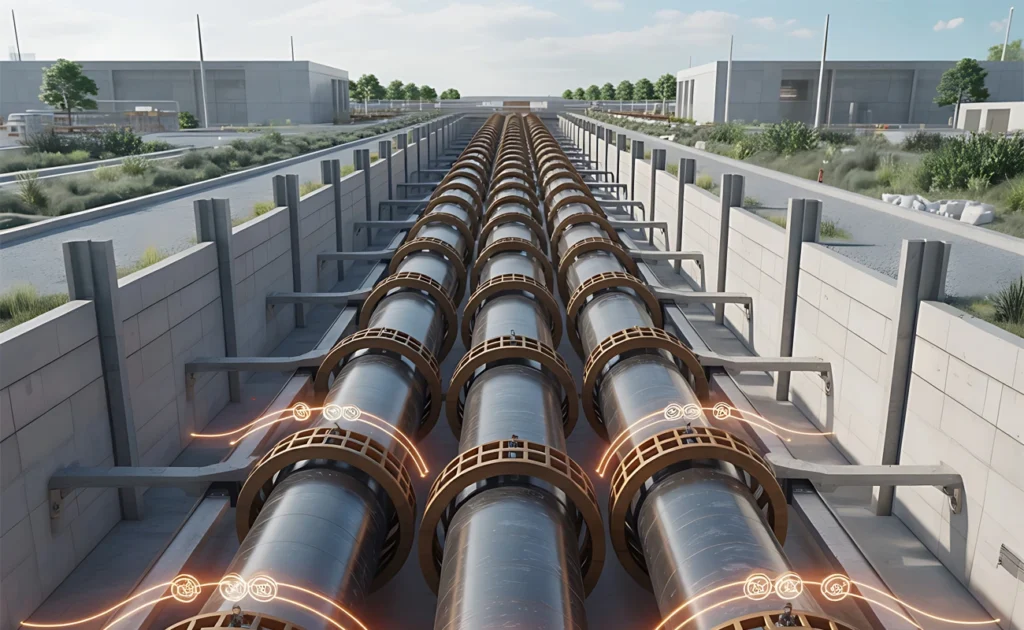
Resilience means withstanding shocks — earthquakes, temperature extremes, and even hydrogen transport. Pipeline resilience USA is now a priority, especially with energy transition goals.
At the end of the day, safe & green infrastructure means pipelines that don’t break down, don’t pollute, and don’t waste resources. Stress analysis makes this possible.
Every industry wants to avoid environmental disasters. With environmental safety in piping, stress analysis reduces:
This is why stress analysis is seen as not just technical compliance, but a sustainability tool.
So what do we really gain from this? The sustainability benefits of stress analysis include:
At Fluxiss, our focus is on providing sustainable pipe stress analysis that supports industries in achieving greener and stronger infrastructure. Whether you are designing pipelines for oil, gas, shipping, or hydrogen, our expertise ensures you meet safety codes and sustainability goals.
Sustainable pipe stress analysis is more than a technical requirement — it is the foundation of modern, eco-friendly, and safe infrastructure. By combining simulations, predictive maintenance, and regulatory compliance, engineers ensure that pipelines remain durable and reliable.
Companies like Fluxiss are leading this transformation with expertise in stress analysis, digital simulation, and design for safe & green infrastructure. If your project involves pipelines, it’s time to put stress analysis at the heart of your sustainability strategy.
👉 Contact Fluxiss today to learn how stress analysis can strengthen your infrastructure projects.
It is the method of applying stress modelling and simulation to build pipelines that last longer, use fewer resources, and reduce environmental risks.
It allows engineers to test pressure, seismic, and temperature effects virtually, so failures can be prevented before the pipeline is built or operated.
Yes. It identifies fatigue points, checks compliance with codes, and highlights risks that could lead to leaks or failures.
These include reducing emissions, lowering costs, preventing leaks, and extending infrastructure life.
Because pipelines must handle new fuels like hydrogen, climate-driven weather events, and higher operating demands without compromising safety or sustainability.

We’re proudly serving clients across the USA, UK, UAE, and Europe. From corporate giants to research labs and the shipping industry,