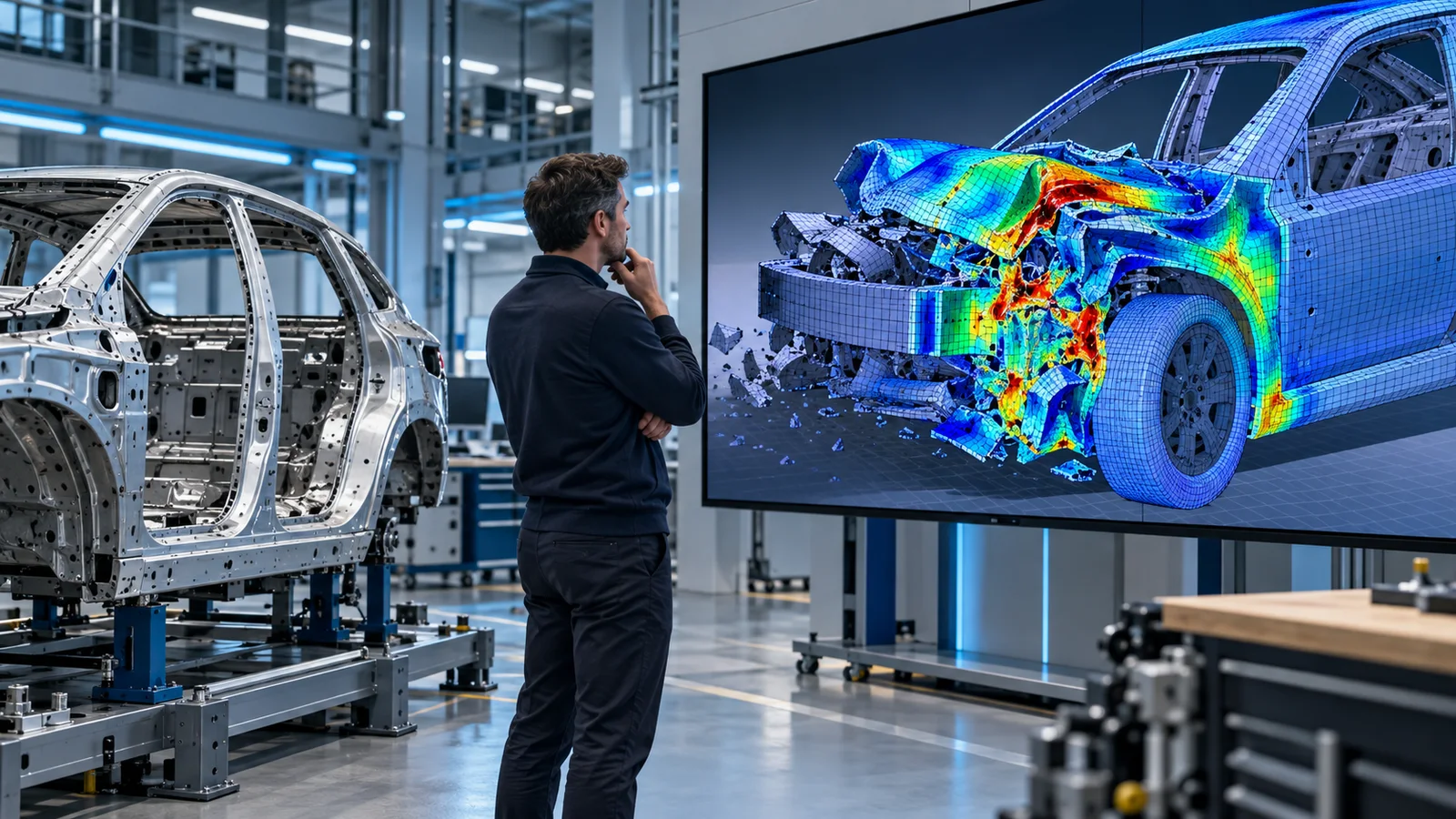
This service spotlight explains how the Fluxiss Automotive Engineering service uses simulation to answer safety, durability and refinement questions before tooling is cut or a prototype is built. The service covers production road vehicles through crash, fatigue, NVH and thermal analysis, and extends to race programmes through Automotive Motorsport Engineering. Running these studies on a shared vehicle model keeps a structural change made for crash performance visible to the teams checking durability, stiffness and weight.
Crashworthiness work uses explicit Finite Element Analysis in LS-DYNA and RADIOSS to run frontal, side and rear impact load cases, rollover and roof crush checks such as FMVSS 216, and the related compliance cases for the US FMVSS and European UNECE regulations. Occupant safety analysis follows the interior kinematics of a collision, including airbag deployment and seat belt pretensioner timing, so that restraints act together in the first milliseconds of an impact. Results are only as reliable as the mesh, material data and contact definitions behind them, and our articles on the main types of finite element analysis and why FEA results can be wrong explain the checks we apply before any result is used.
“Learn how Fluxiss links crashworthiness and occupant safety simulation, fatigue and durability prediction, NVH and vehicle dynamics, EV thermal management and motorsport engineering into one virtual vehicle development workflow.”
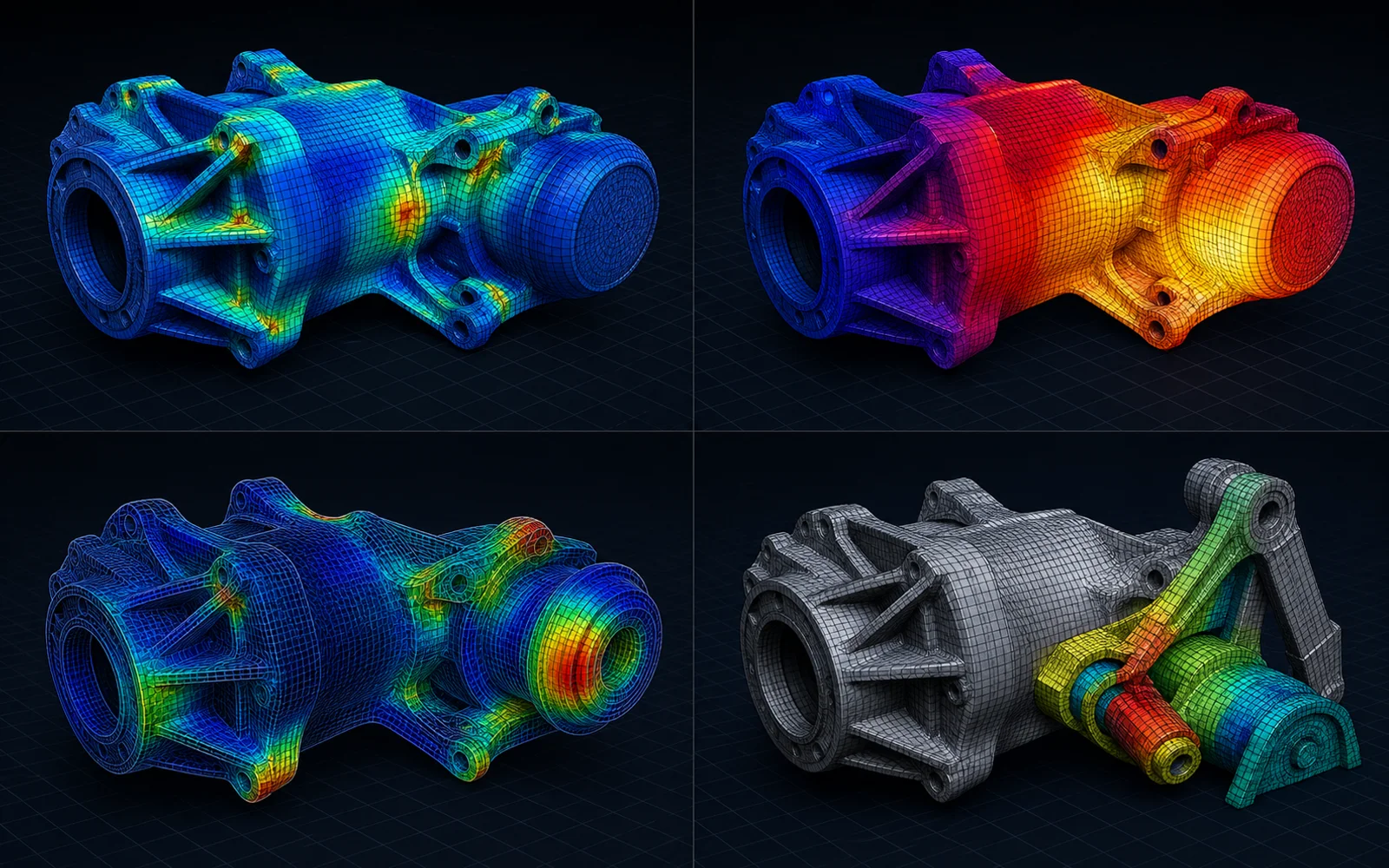
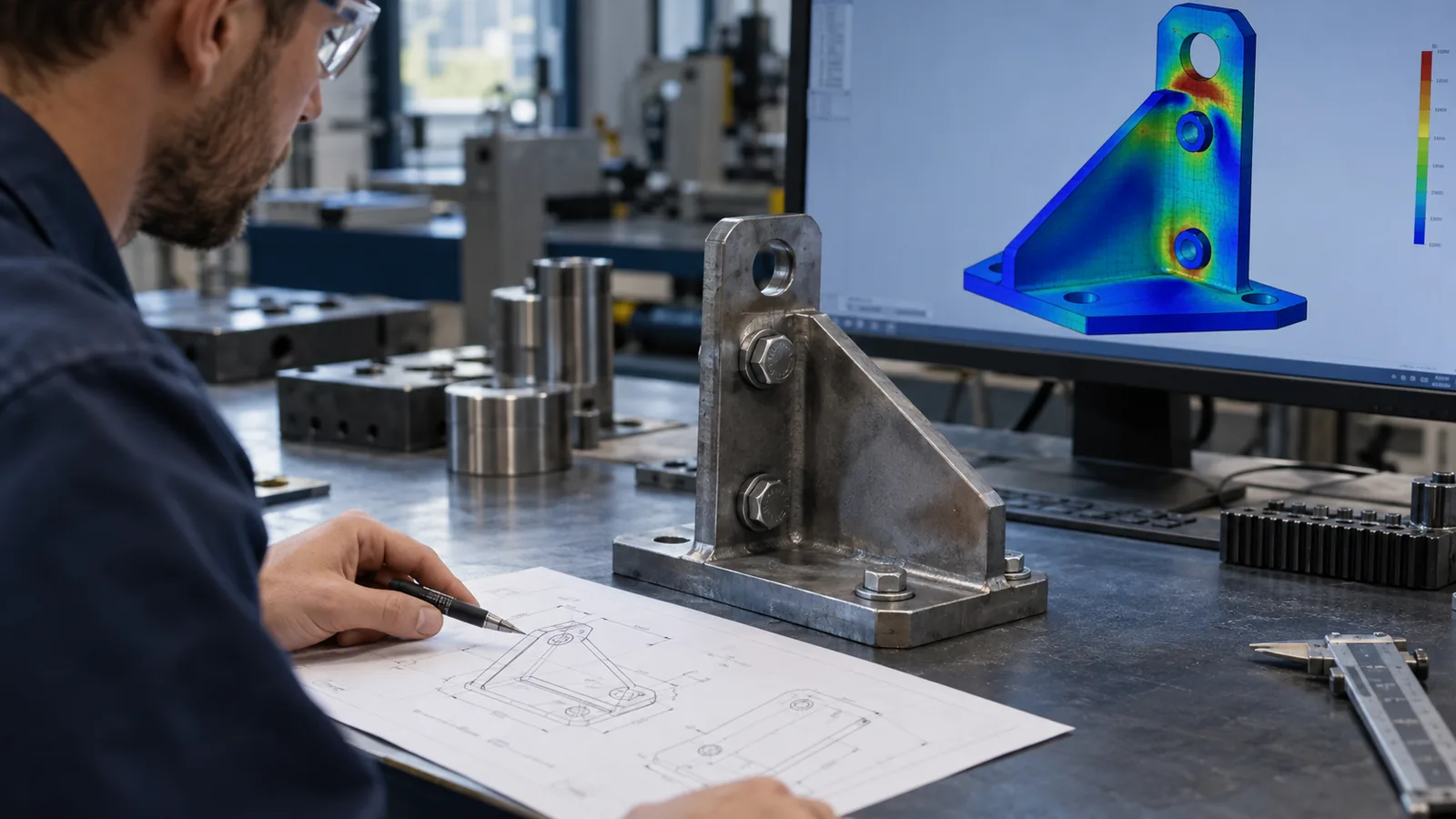
Durability and life prediction is handled through Thermal and Fatigue Analysis. Road load and test cycle simulation applies years of service loading to suspension, subframe and body components in days, identifies the locations where cracks are likely to start, and allows the design to be changed while it is still inexpensive to do so. The same models support chassis stiffness analysis and component failure investigations on parts already in service.
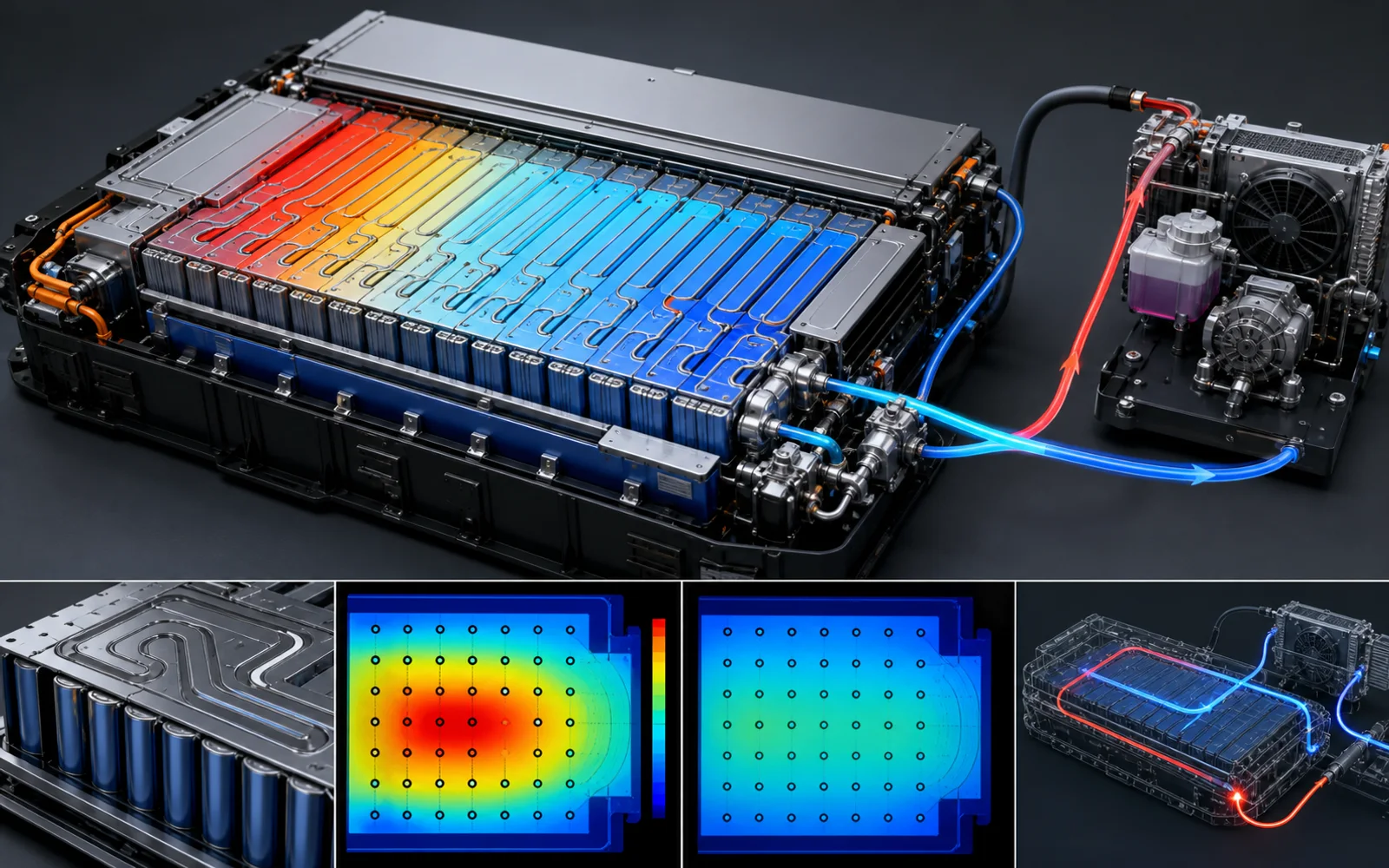
Refinement and dynamics are the second half of the scope. NVH analysis of noise, vibration and harshness targets the sources that make a cabin feel loud or cheap, while ride and handling simulation and chassis stiffness studies tune how the vehicle responds to the road. For electric vehicles, EV thermal management covers battery pack, motor and cabin climate cooling, and Computational Fluid Dynamics supports cooling flow and aerodynamic drag studies. Our guides to the battery thermal management system and to applications of CFD give background on both topics.
For competition vehicles, the Automotive Motorsport Engineering scope adds vehicle dynamics simulation, motorsport aerodynamics, digital twin lap simulation and Hardware-in-the-Loop and Software-in-the-Loop validation of control units, with development processes structured around VDA 6.3 and Automotive SPICE where OEM suppliers require them. The motorsport engineering page describes the NVH and track performance work for race teams, and engineers who prefer their own hand checks can use the Race Car Dynamics Master Workbook from the products store.
A useful automotive brief includes CAD geometry, material cards or test data, target regulations and load cases, existing test results and the decision the simulation must support, whether that is a design freeze, a supplier sign-off or a failure investigation. To discuss a project, contact Fluxiss with the vehicle or component, the analysis type and the programme stage, or schedule a technical meeting to confirm the scope, software and deliverables before a proposal is prepared, since these are agreed per project rather than assumed from a general service description.
Fluxiss Team contributes services insights to the Fluxiss content library.
Let's Build Something Great Together.
Partner with Fluxiss for engineering that holds up - under pressure, under load, under scrutiny.